


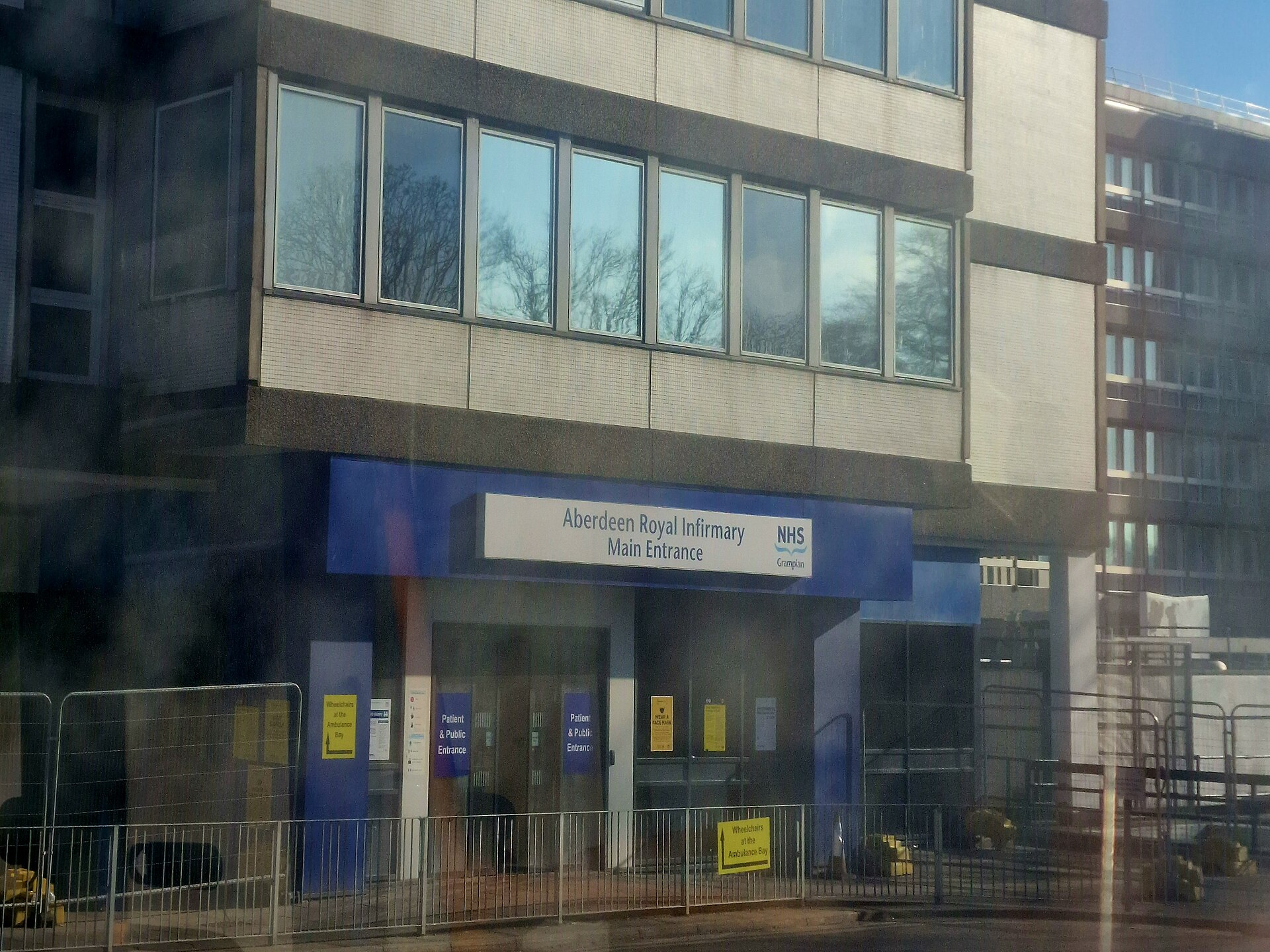
Derek Appleton, a 60-year-old man from Stockport, survived a liver surgery at Aberdeen Royal Infirmary that nearly killed him, but he says he has never received a clear explanation of what went wrong. His case has drawn attention to a broader crisis at the hospital, where a leaked internal review found that 19 of 45 deaths following liver and pancreatic surgery between 2015 and 2021 were potentially avoidable.
Appleton underwent the procedure to remove 60% of his liver after being diagnosed with stage four cancer. During the operation, he lost 11 litres of blood, a volume far exceeding the average human blood capacity of 4.5 to 5.5 litres. He went into cardiac arrest and required manual heart pumping by surgeons who opened his chest and rib cage. One surgeon reportedly inserted two fingers into his hepatic vein to stop the bleeding.
Surviving the Operating Theatre
Appleton described the experience as a near-death event. “Technically I died, not one single person in theatre thought I was going to come out alive,” he said. He was placed in an induced coma four days after the surgery, and his partner was flown from Spain to say their goodbyes. Although he eventually recovered, he noted that he is “not the same person” who entered the hospital.
The type of surgery Appleton received is no longer performed in the NHS Grampian area. Patients requiring such procedures are now transferred to Edinburgh. Despite the severity of his complications, Appleton stated that he has never been told of any investigation or review into his specific case.
Leaked Review Reveals High Mortality Rates
The concerns raised by Appleton align with findings from a 2022 review conducted by Dr. Mohammed Habib, a consultant surgeon at Aberdeen Royal Infirmary. Dr. Habib leaked the unpublished document, which analyzed 45 patients who died after liver and pancreatic surgery. The review concluded that 31 patients died, with 19 of those deaths considered avoidable consequences of surgical errors.
The document highlighted significantly elevated mortality rates for major liver resections at the hospital. Between 2017 and 2020, the death rate was 12% after 30 days and 18% after 90 days, compared to an expected rate of 2.2%. Dr. Habib stated that he had been raising these concerns for a decade, including with government ministers and police, but felt his warnings were ignored.
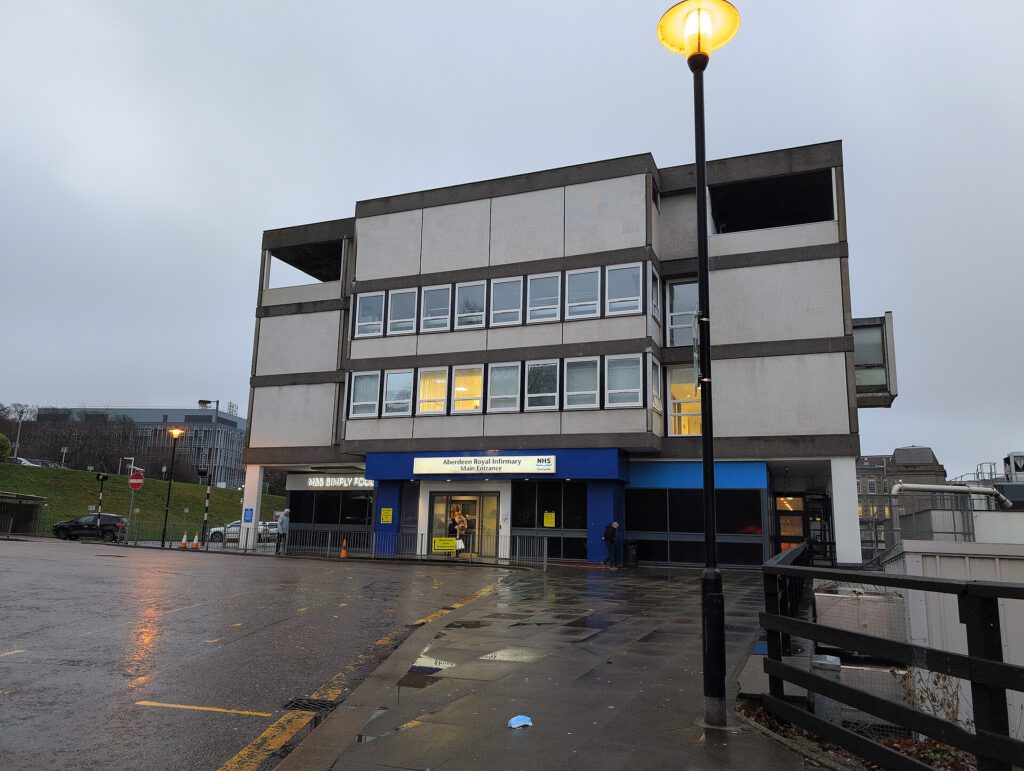
NHS Grampian confirmed that an investigation into these matters had already taken place, with some elements still ongoing. Chief Executive Laura Skaife-Knight said any new evidence would be carefully considered through clinical and legal processes. Police Scotland also confirmed that an investigation is ongoing.
Official Responses and Patient Safety Concerns
Scotland’s Patient Safety Commissioner, Karen Titchener, expressed a lack of confidence that all facts regarding concerns at NHS Grampian have been revealed. She described the situation as “totally unacceptable” and sought independent assurance that changes were being implemented. Titchener noted that the health secretary was not previously aware of the specific reports, despite the scale of the issue.
Health Secretary Angela Constance stated she was not previously aware of the leaked review but maintained that patients at Aberdeen Royal Infirmary and Dr Gray’s Hospital in Elgin were safe. She emphasized the need for immediate and sustained improvements in patient care.
Appleton’s experience underscores the human cost of these systemic issues. He entered the hospital expecting a life-changing operation for the better, only to face a medical emergency that left him with lasting physical and emotional scars. His case remains a focal point for those calling for greater transparency and accountability in NHS Grampian’s surgical services.
Source: BBC
