


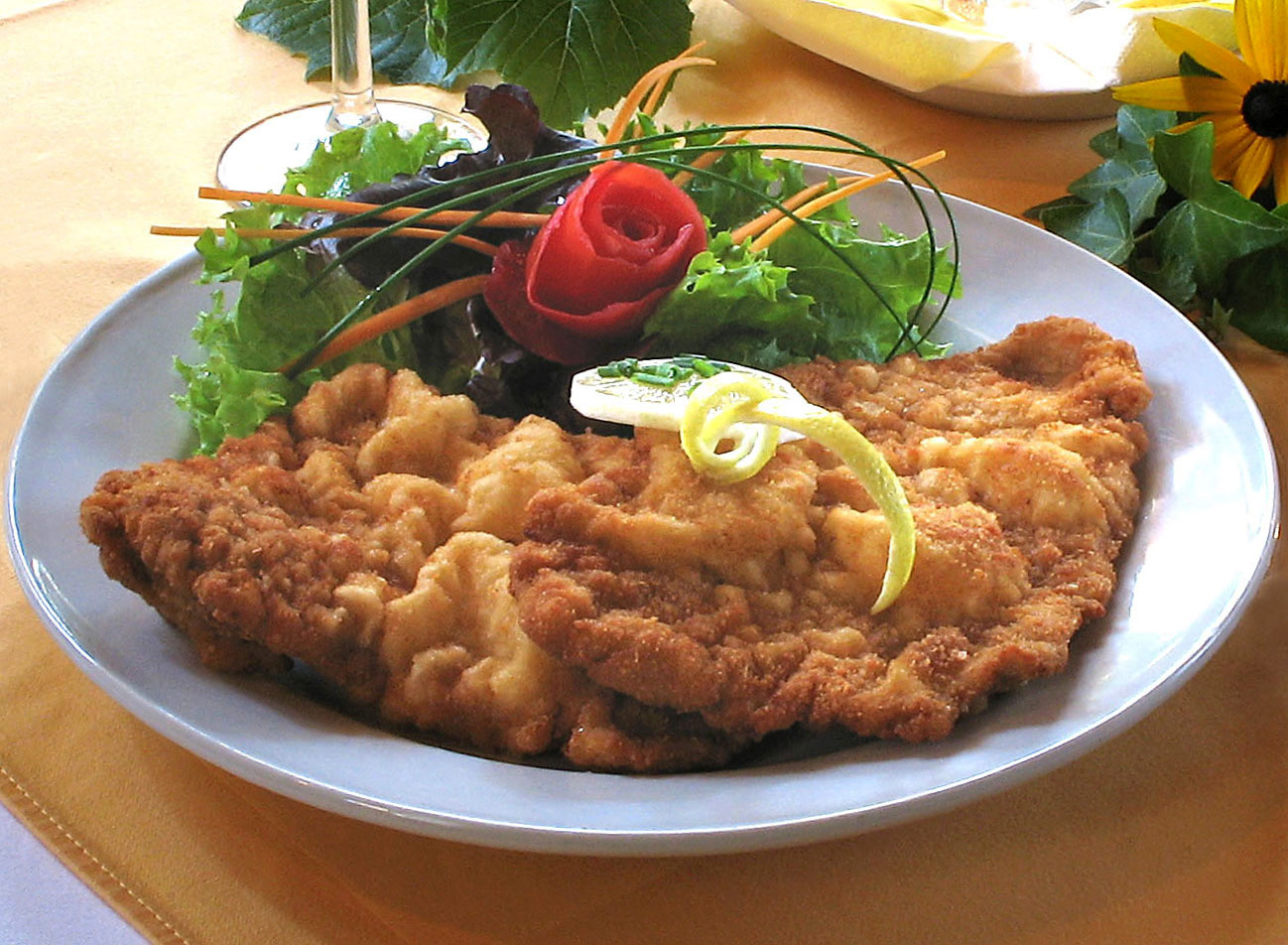
Vienna is a city defined by its appetite. While often celebrated for its joie de vivre, this love of food is also a response to a long history of decline and transformation. Empires have crumbled and dissolved within its borders, yet the city’s culinary traditions have endured. The food is often described as heavy, rich, and generously coated in breadcrumbs or sprinkles, a testament to a culture that has outlasted its rulers.
The Wiener Schnitzel and Culinary Standards
At the heart of this tradition is the Wiener Schnitzel, a dish of legendary status. It is typically golden-yellow and wavy, spilling over the plate with a wedge of lemon. In upscale establishments, it may even be served in a linen pouch. The preparation is strict: the meat must be pounded paper-thin, and the breadcrumb coating must be light and airy. It is traditionally accompanied by potato salad made with beef stock, vinegar, oil, and finely chopped onions, without mayonnaise. Deviations from this recipe are often met with strong disapproval.
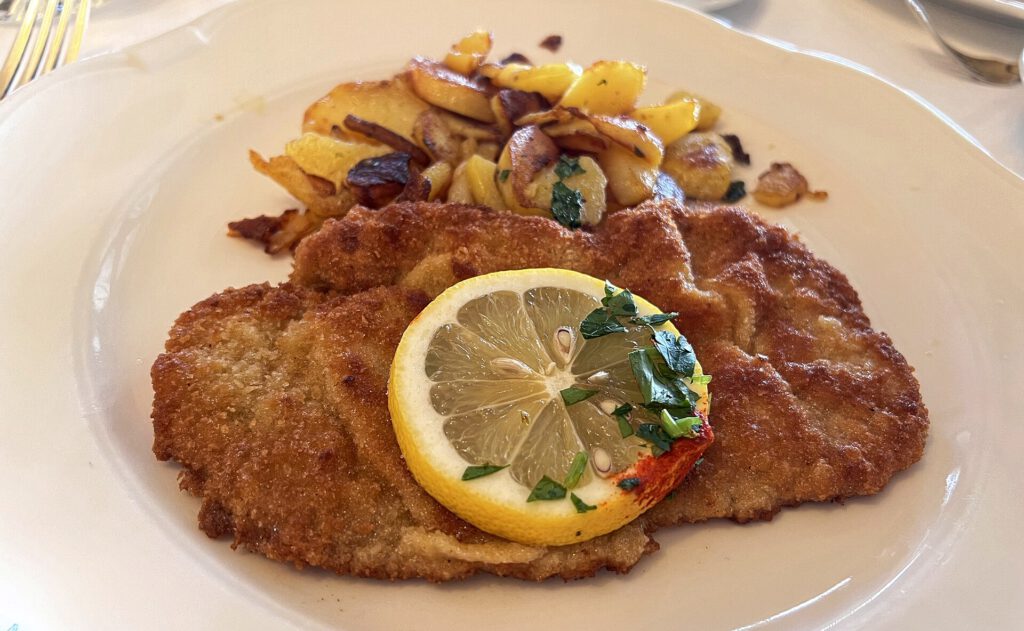
While Viennese people may engage in heated debates about various topics, the quality of the schnitzel is rarely questioned. The city takes its food seriously, but with a sense of humor. The approach to dining suggests that if there is nothing to laugh about at the dinner table, there is little to laugh about in life.
A Borderless European Legacy
Defining authentic Viennese cuisine is difficult because there is no single original recipe. The city’s food is a legacy of an empire that no longer exists. Over centuries, dishes have been drawn from all corners of the globe. Galicians, the French, Italians, Bohemians, Hungarians, and Poles have all contributed to the local culinary landscape. The result is a cuisine that reflects a borderless Europe, with flavors and techniques from across the continent steaming from the pots and pans of the capital.
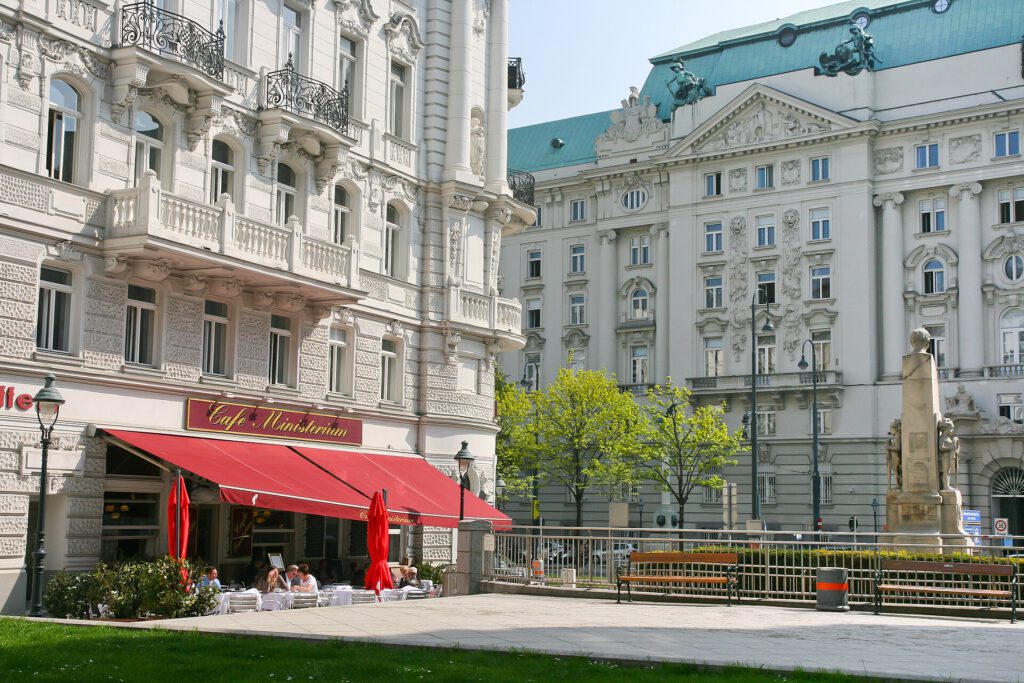
The secret to this cuisine may lie less in specific recipes and more in the time dedicated to preparation. A schnitzel should be fried gently, a strudel rolled out with patience, and a goulash left to simmer until the onions have almost dissolved. This attention to detail and the luxury of time are central to the Viennese dining experience.
The Viennese Coffee House Culture
Equally important to the city’s identity is the Viennese coffee house. These establishments, found in cities like New York, Prague, Budapest, Paris, Zurich, and Trieste, offer a unique social space. Patrons sink into well-worn cushions to order a kleiner Brauner or a Melange with whipped cream. The purpose is not necessarily to have an experience, but to sit, read, and let time pass without justification.
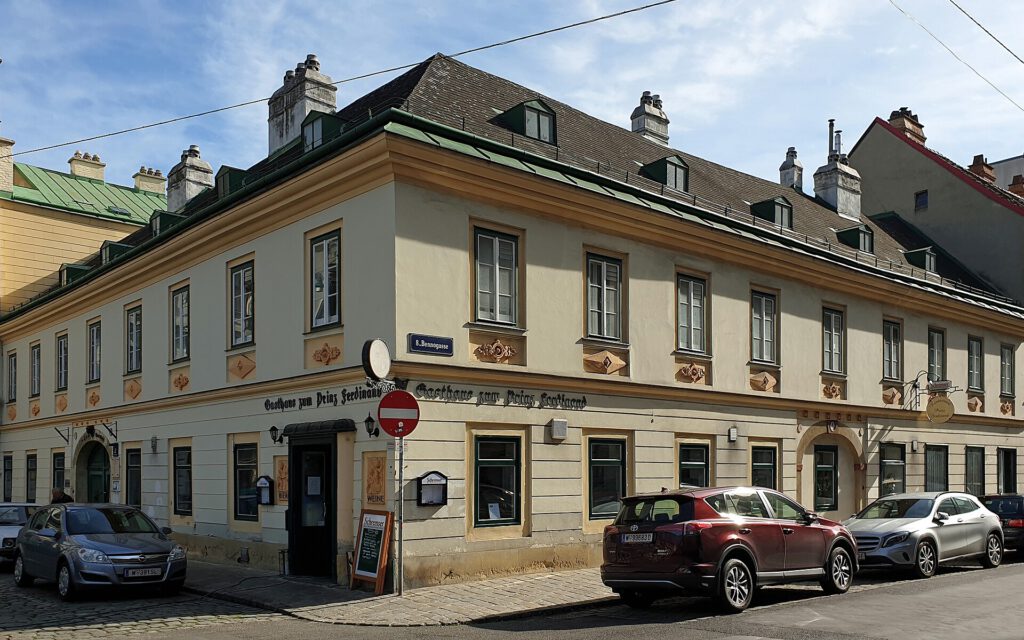
In a world where free time is often highly organized, the coffee house offers a considerable luxury. It is a place of elegant escapism where one can sit, drink, and daydream. Most of the time, nothing happens. The waiter may eventually arrive with the bill, or the customer may order a second, third, or fourth coffee, imagining where in the world might be nicer at that moment. Vienna is everywhere, even in Vienna itself.
Source: The Guardian
