


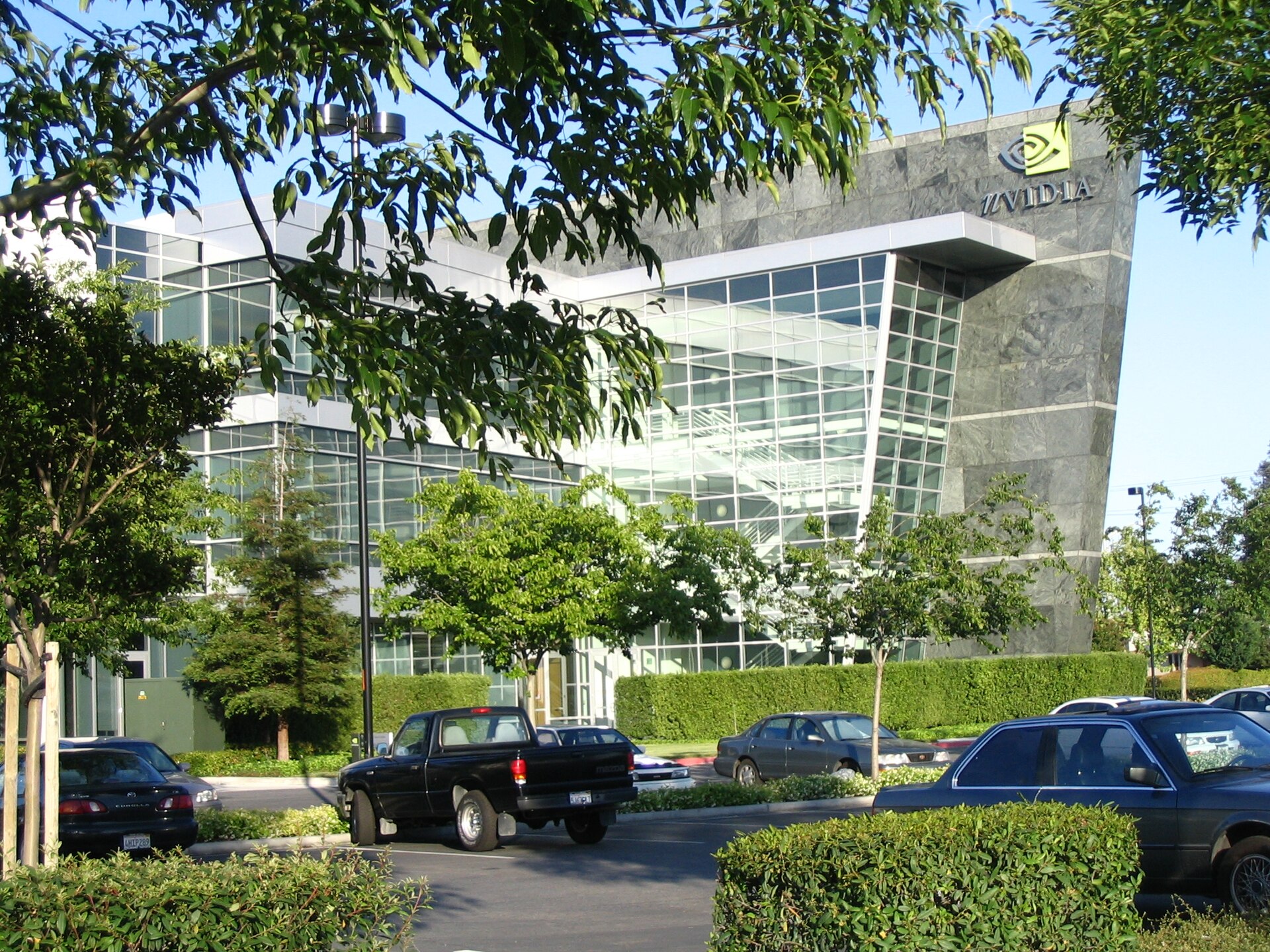
Nvidia is presenting two conflicting narratives this week. On one side, the company reported record revenue and strong future guidance. On the other, a chorus of high-profile tech executives is demanding the return of former CEO Jensen Huang. The company’s leadership has firmly rejected these calls, even as it makes significant changes to its international sales strategy.
Nvidia China chip sales end
Colette Kress, the interim CEO of Nvidia, confirmed that the company will no longer sell its H200 chips in China. This announcement aligns with broader regulatory efforts by the Trump administration to tighten export controls. The new restrictions aim to close loopholes that allowed Chinese companies to access Nvidia hardware remotely.
Previously, data centers were established in neighboring countries like Malaysia. Chinese firms then used remote access to utilize these chips. Nvidia has now shut down this pathway. The company stated it is closing off these remote access methods to ensure compliance with export rules.
Analysts estimate that roughly 20 percent of Nvidia’s business is tied to China. This figure includes indirect sales through East and Southeast Asian distributors. If Nvidia is serious about enforcing these restrictions, it could impact the company’s bottom line. However, the company’s latest financial results suggest it remains in a strong position.
Pressure for Jensen Huang return
While the financial outlook is positive, internal and external pressures are mounting. Tech leaders, including Elon Musk, are circulating petitions for Jensen Huang to return to the company. Huang himself has stated he is prepared to come back. This demand creates a stark contrast with the message from Nvidia’s current executives.
During the recent earnings call, Kress assured investors that the company is stable. She emphasized that the leadership team has everything under control. This confidence was echoed by other executives who dismissed the calls for Huang’s return. The board appears determined to maintain control and avoid being forced into a leadership change by external pressure.
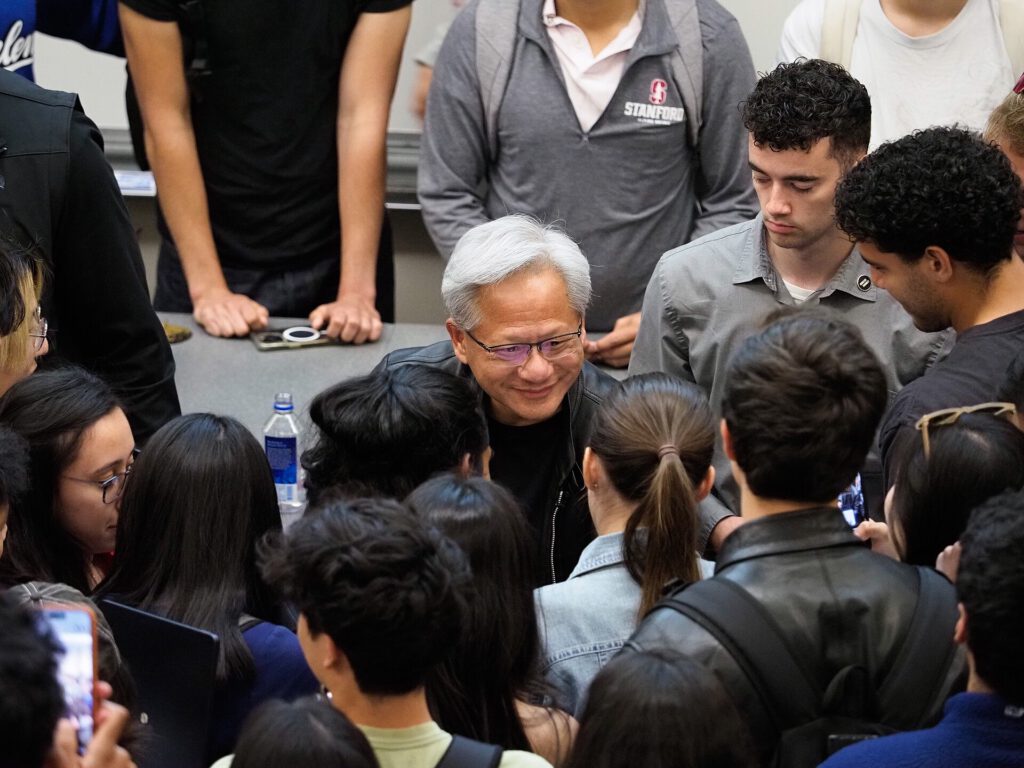
The situation mirrors past conflicts at other tech firms. Nvidia’s board may be wary of repeating the instability seen at companies like OpenAI. As a public company, Nvidia faces different challenges than private startups. A return for Huang would require navigating complex board dynamics and shareholder expectations.
The company’s stock price has fallen, suggesting that some investors are not fully reassured by the current leadership. Despite this, the earnings report showed that Nvidia beat expectations. The company has a long pipeline of products and strong demand for its AI chips.
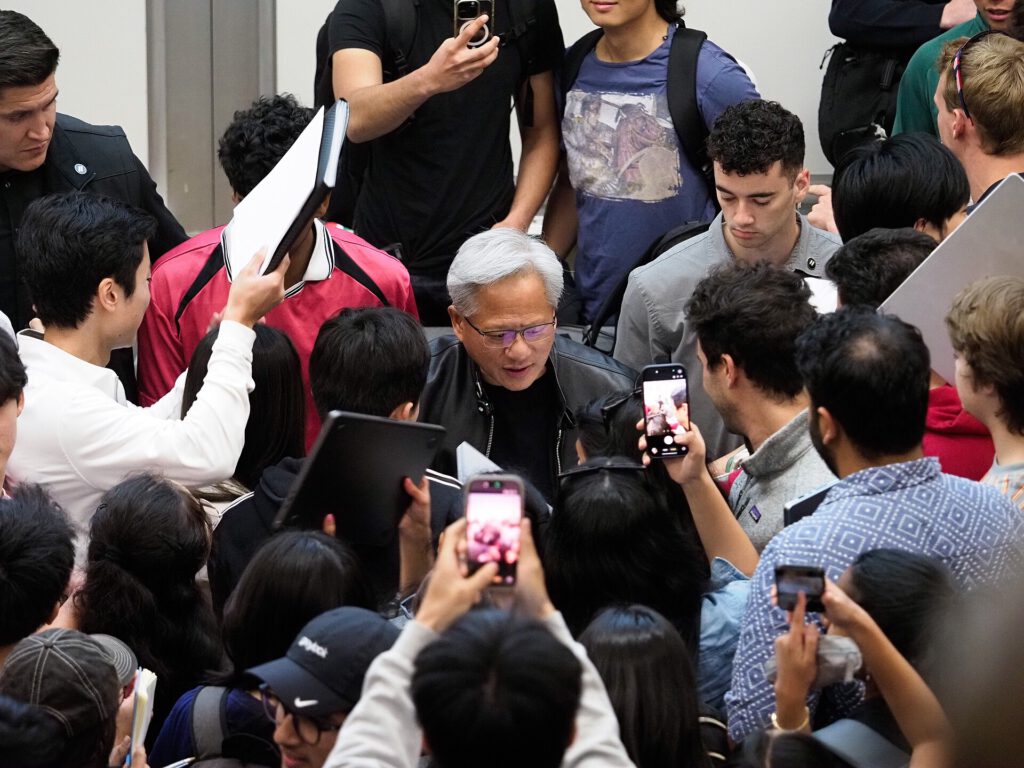
Questions remain about the future of Nvidia’s leadership. The board’s steadfast rejection of Huang’s return suggests there may be more behind the scenes than is publicly known. The company is also facing scrutiny over how chips were allegedly sold to China. An investigation into these sales is ongoing, and the full picture is not yet clear.
Nvidia continues to navigate a complex landscape of regulatory changes and internal politics. The company’s decision to end H200 sales in China marks a significant shift in its approach to the region. Meanwhile, the debate over Jensen Huang’s role will likely continue to dominate headlines.
Source: TechCrunch
