


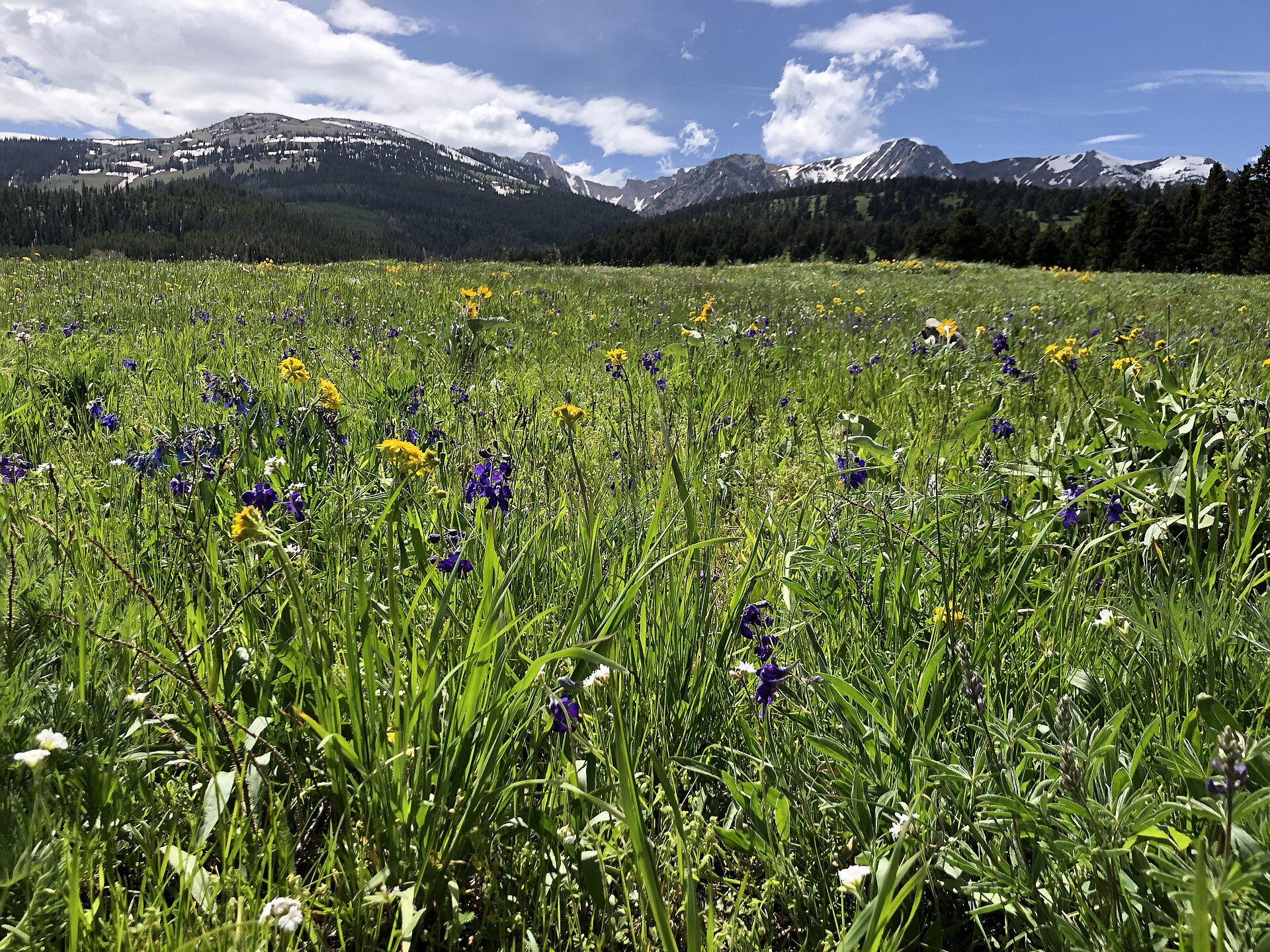
The suburban ideal of a perfectly manicured, weed-free lawn is facing a reality check in Australia. Landscapers and ecologists are increasingly advising against exotic grass varieties that demand constant watering, mowing, and chemical treatments. Instead, a growing number of residents and local governments are turning to native meadows, which offer a sustainable alternative that aligns with the country’s harsh climate.
The High Cost of Exotic Lawns
Melbourne landscaper Simon McCurdy has spent 38 years watching the industry shift toward instant results. He notes that virtually all clients prefer roll-out turf or hydroseeding over sowing from seed because it is cheaper and faster. However, this convenience comes with significant drawbacks depending on the grass type chosen.
Buffalo grasses are hardy and self-repairing but turn yellow in winter. Fescue looks lush but fails to regenerate if it dries out or suffers damage from pets. Kikuyu is aggressive and chokes weeds, making it suitable only for nature strips or areas surrounded by concrete. Finer-bladed exotic species like Santa Anna couch or Bermuda grass require intensive upkeep, including de-thatching, coring, and pesticide spraying, which McCurdy describes as a waste of money and a source of stress for homeowners.
Establishing Native Grasses
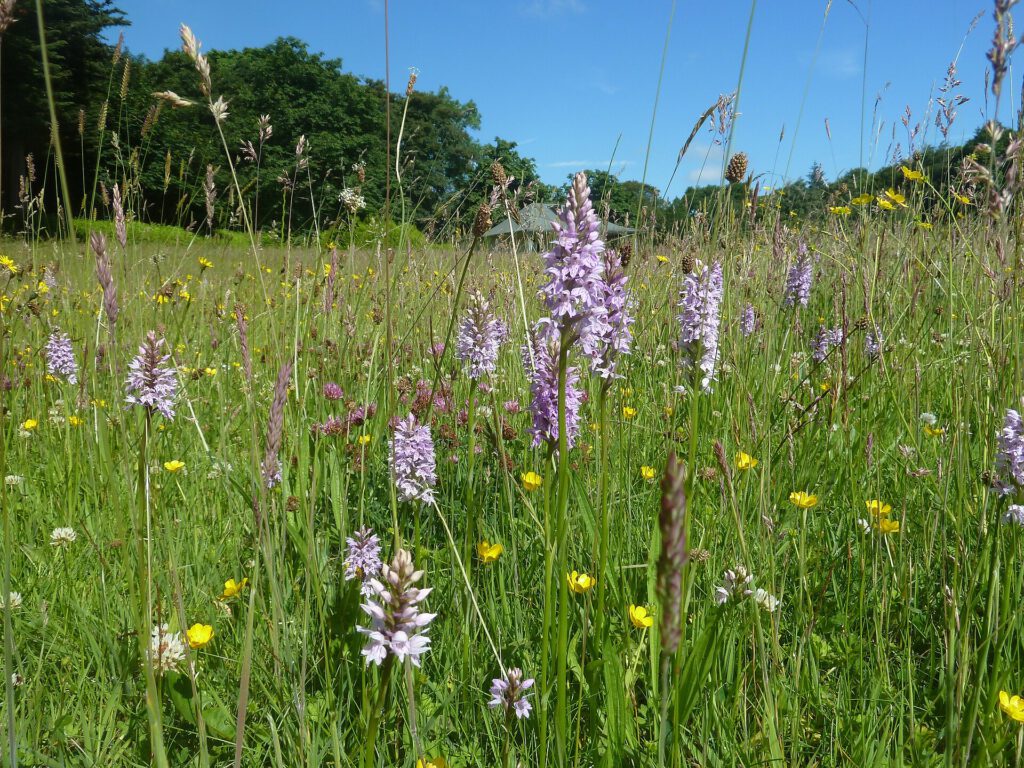
Darren Vincent, managing director of Native Seeds, acknowledges that growing a native lawn is more time-consuming. His company collects, grows, and harvests native grass seeds on a farm in Victoria’s Ovens Valley. Vincent explains that native grass species take longer to establish because their root systems develop before showing significant growth above ground. This initial phase makes them vulnerable to invasion by exotic weeds.
However, once established, native lawns become self-sufficient. They resist introduced species, offer better drought tolerance and soil retention, and eliminate the need for fertilisers and pesticides. Vincent reports that about 80% of his lawn products go to metropolitan Sydney and Melbourne. His meadow mix, which combines grasses and wildflowers, is frequently used for nature strips. He notes that with the right mix, these plantings stay within height regulations, avoiding conflicts with local councils.
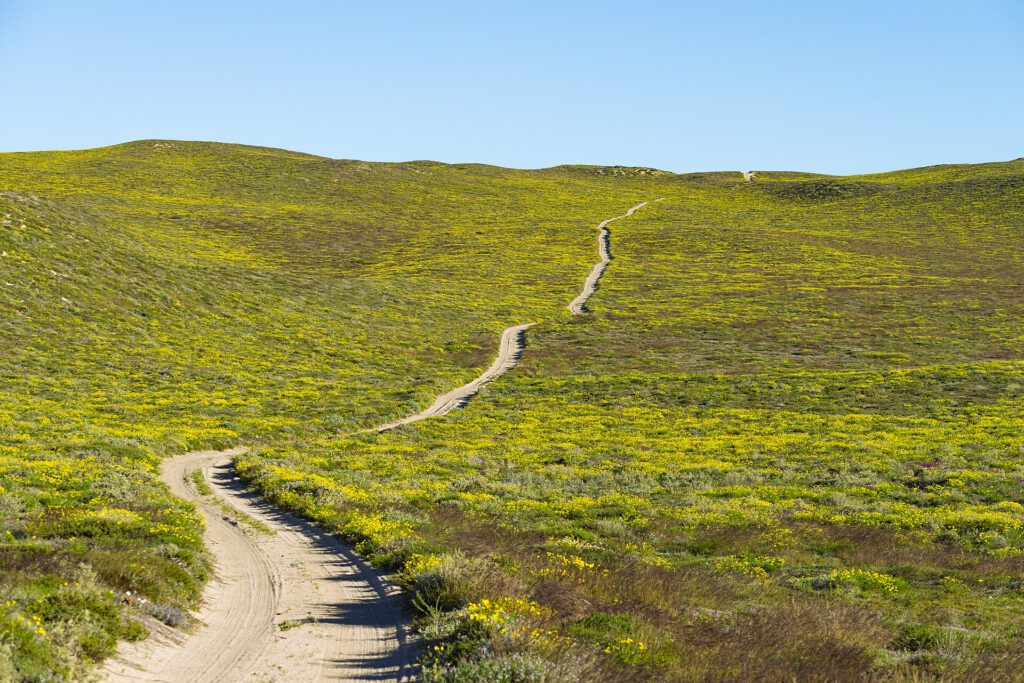
For those who prefer a cut-grass appearance, Vincent recommends Griffin weeping grass. Unlike most spring-sown exotics, this indigenous species germinates in autumn. It handles shade and salt spray well and can stay green year-round with summer irrigation. Vincent also dismisses concerns that native grasses increase fire hazards, stating that they have less biomass than introduced species and recover better if they do burn.
Biodiversity and Mental Health Benefits
Dr Katherine Horsfall, founder of Melbourne Meadows, advocates for native plantings to restore critically endangered grasslands and grassy woodlands. Her research at the University of Melbourne has shown that small patches of mixed native plants in urban areas create microhabitats that encourage biodiversity. Victoria has lost the majority of its native grasslands, making even small plantings vital for species survival.
Horsfall argues that native meadows provide social and mental health benefits by allowing people to connect with nature. She notes that these plantings attract native insects and vertebrates, offering a stark contrast to the uniformity of traditional lawns. The low maintenance requirements also free residents from the burden of mowing and chemical application, allowing more time for recreation.
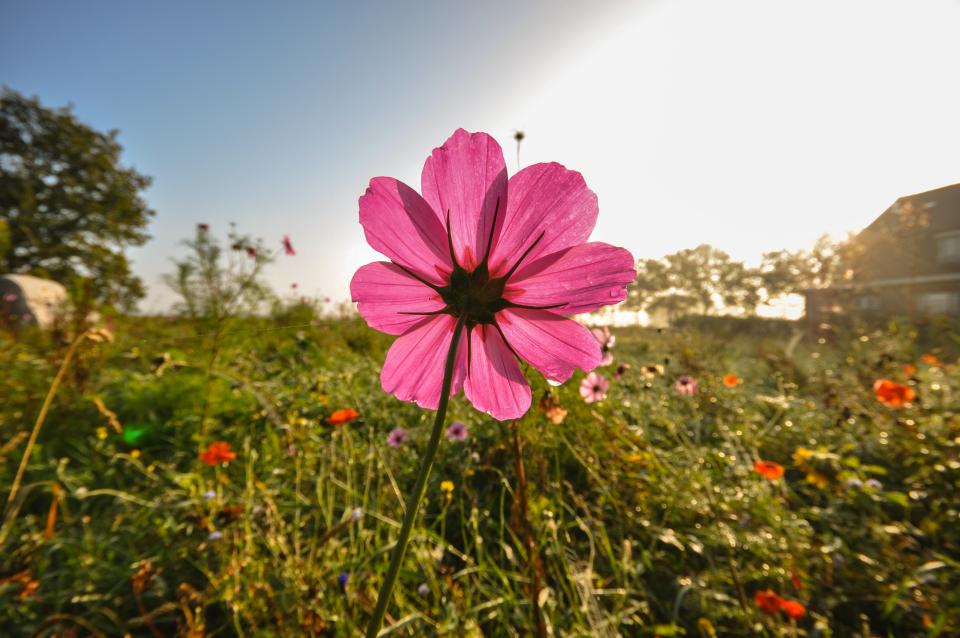
Councils are increasingly partnering with experts like Horsfall to replace traditional gardens with low-maintenance native alternatives. This shift not only reduces water usage but also helps restore ecological balance in urban corridors. As the demand for sustainable landscaping grows, native meadows are becoming a practical and beautiful solution for Australian homes.
Source: The Guardian
