


Google has removed several significant products from its lineup in 2026, marking a continued shift in its hardware and software strategy. The search giant has a long history of retiring services that no longer align with its broader goals, and this year was no exception. From smart home hardware to mobile assistants, the company is consolidating its offerings around its Gemini AI platform and newer device categories.
Google Assistant Mobile and Pixel Tablet Retired
The most notable change involves the Google Assistant. The company has officially phased out the Assistant on mobile devices, Wear OS smartwatches, headphones, and vehicles using Android Auto projected from a phone. This transition, which Google initially targeted for late 2025, was pushed to September 2026. The Assistant remains available on older hardware such as Nest Audio, Nest Mini, the original Google Home, and cars with Google built-in, but the mobile experience has been fully replaced by Gemini.
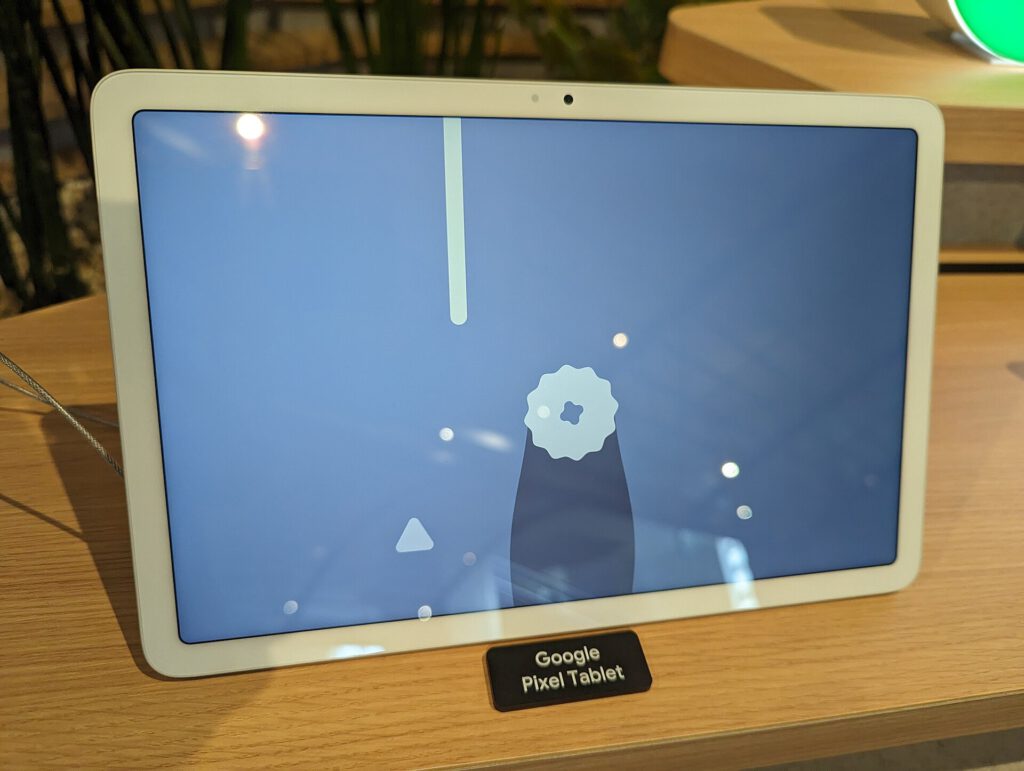
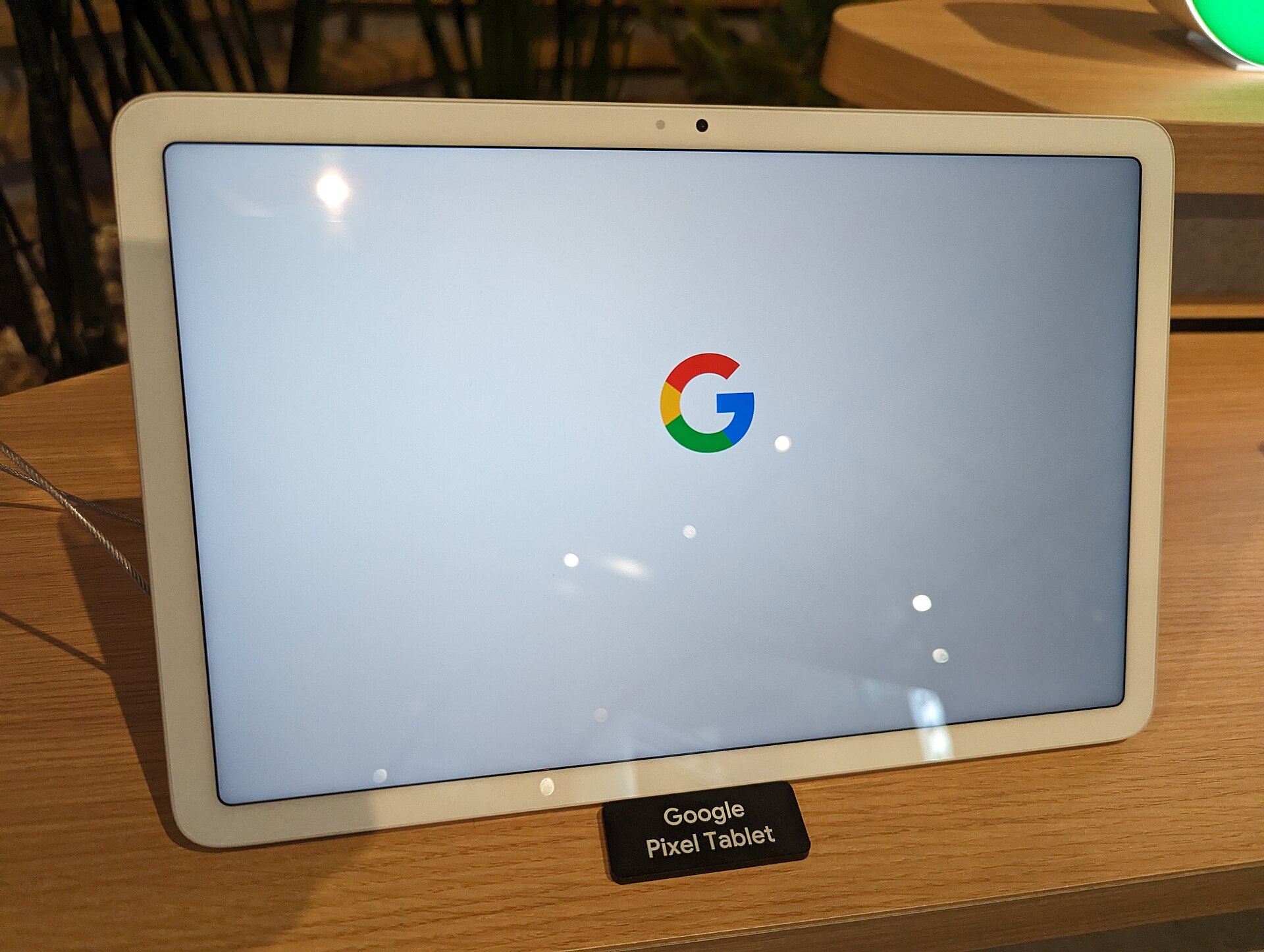
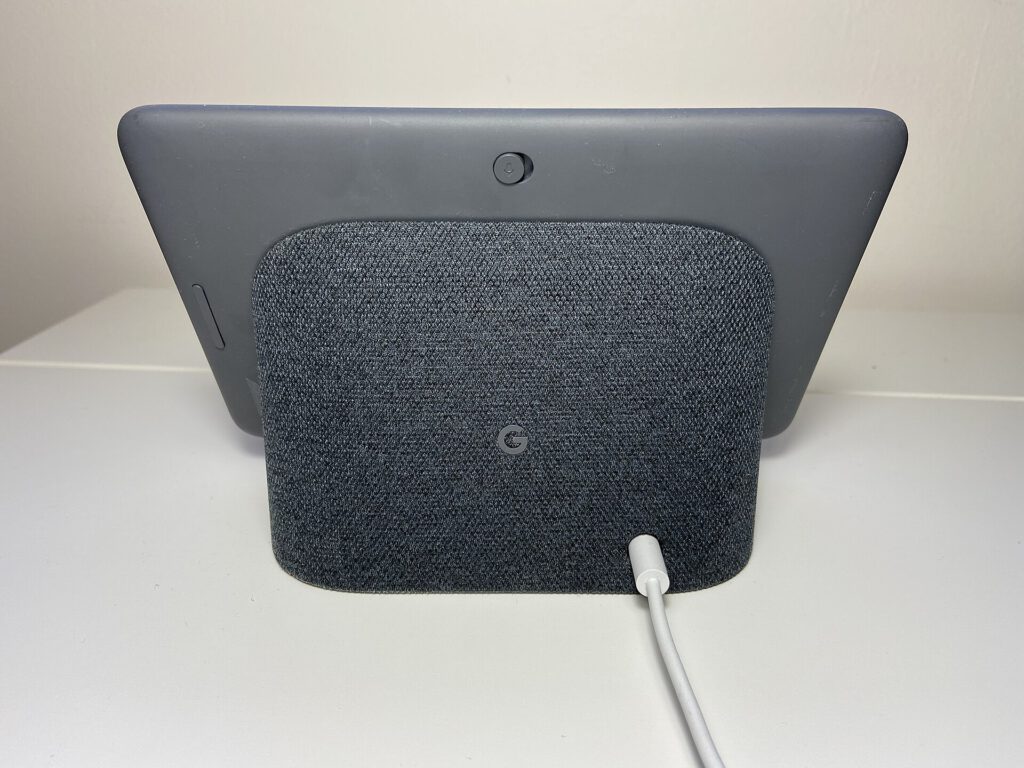
Alongside the software shift, Google discontinued the Pixel Tablet in September 2026. The device, which launched in 2023 with an 11-inch LCD panel and a Charging Speaker Dock, is no longer listed on the Google Store. The removal of the tablet category from the site’s navigation signals the end of Google’s direct tablet ambitions for now. While leaks suggested a successor with a 120Hz display, that device never materialized. Google is currently focusing on Google Books, leaving the tablet market without a first-party device.
Nest Mini and Nest Audio Production Ends
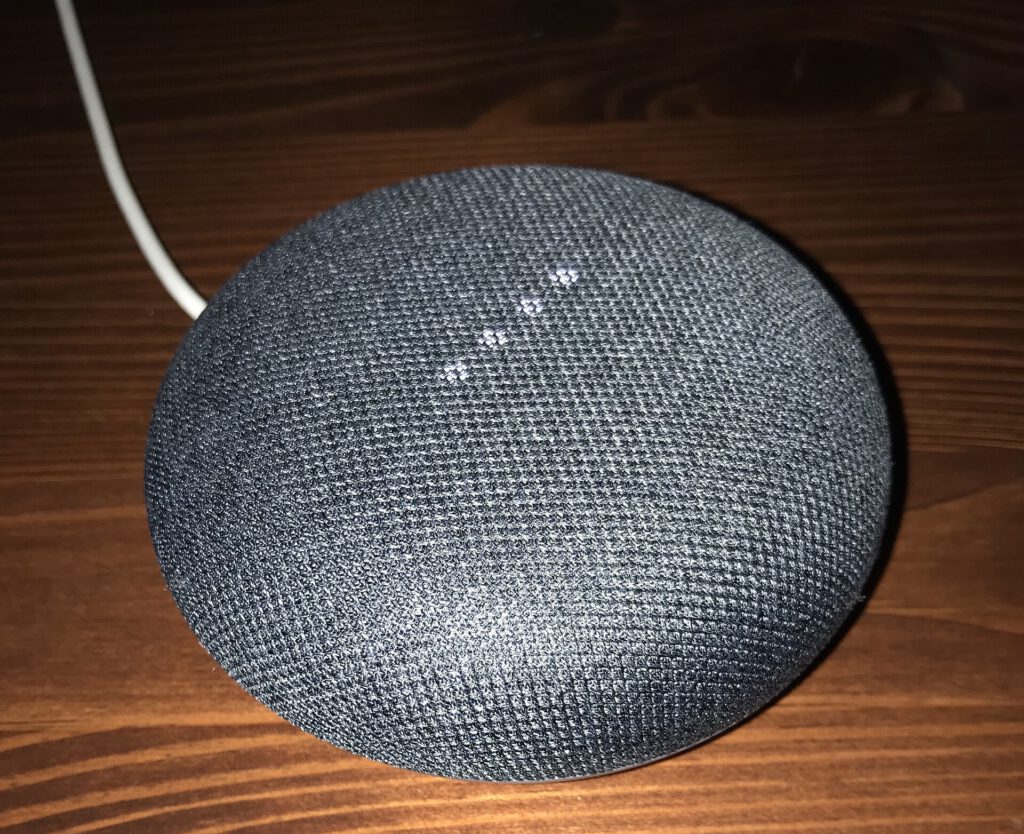
Google also ended production of its popular smart speakers, the Nest Mini and Nest Audio, in June 2026. The Nest Mini, introduced in 2019 at a $50 price point, became a staple for affordable smart home integration. The Nest Audio, launched in 2020, offered superior sound quality with a 75mm woofer and 19mm tweeter, serving as the successor to the original Google Home.
Despite the halt in manufacturing, Google confirmed that software updates will continue for these devices for the foreseeable future. The company is now positioning the $99 Google Home Speaker as its primary smart speaker option. This newer model features 360-degree sound powered by a smaller 58mm driver and runs on Gemini rather than the legacy Assistant.
Other Services and Apps Wound Down
Several other initiatives were retired or restructured this year. The Fitbit app was transformed into a unified health portal in May 2026, with data migration moving to Google Health. Google Fit Web APIs were also shut down, requiring users to rely on Google Health for monitoring metrics from Fitbit wearables. While the new platform includes an AI-assisted Health Coach, it lacks the social features that previously defined the Fitbit experience.
Security and email tools also saw changes. Google ended its Dark Web Report service in January 2026, citing a lack of actionable next steps for users. The service, which monitored for leaked personal information, was previously available to all Google account holders. Additionally, Gmailify, a feature allowing users to link Yahoo, AOL, or Outlook accounts to Gmail for enhanced spam protection and sorting, was discontinued in the first quarter of 2026. Existing users can continue using the feature until January 2027. Google also ended support for fetching emails via the Post Office Protocol (POP), requiring users to switch to the Internet Message Access Protocol (IMAP) for third-party account syncing.
Other lesser-known discontinuations include the legacy Google Earth Pro desktop app, which will stop being available for download after June 25, 2027. Users must download the app before that date to retain access. Steam for Chromebooks, a beta program for installing games on ChromeOS, ended in January 2026. Google also shut down Pixel Studio in March 2026, directing users to Gemini for AI-assisted image generation.
Source: Engadget
