


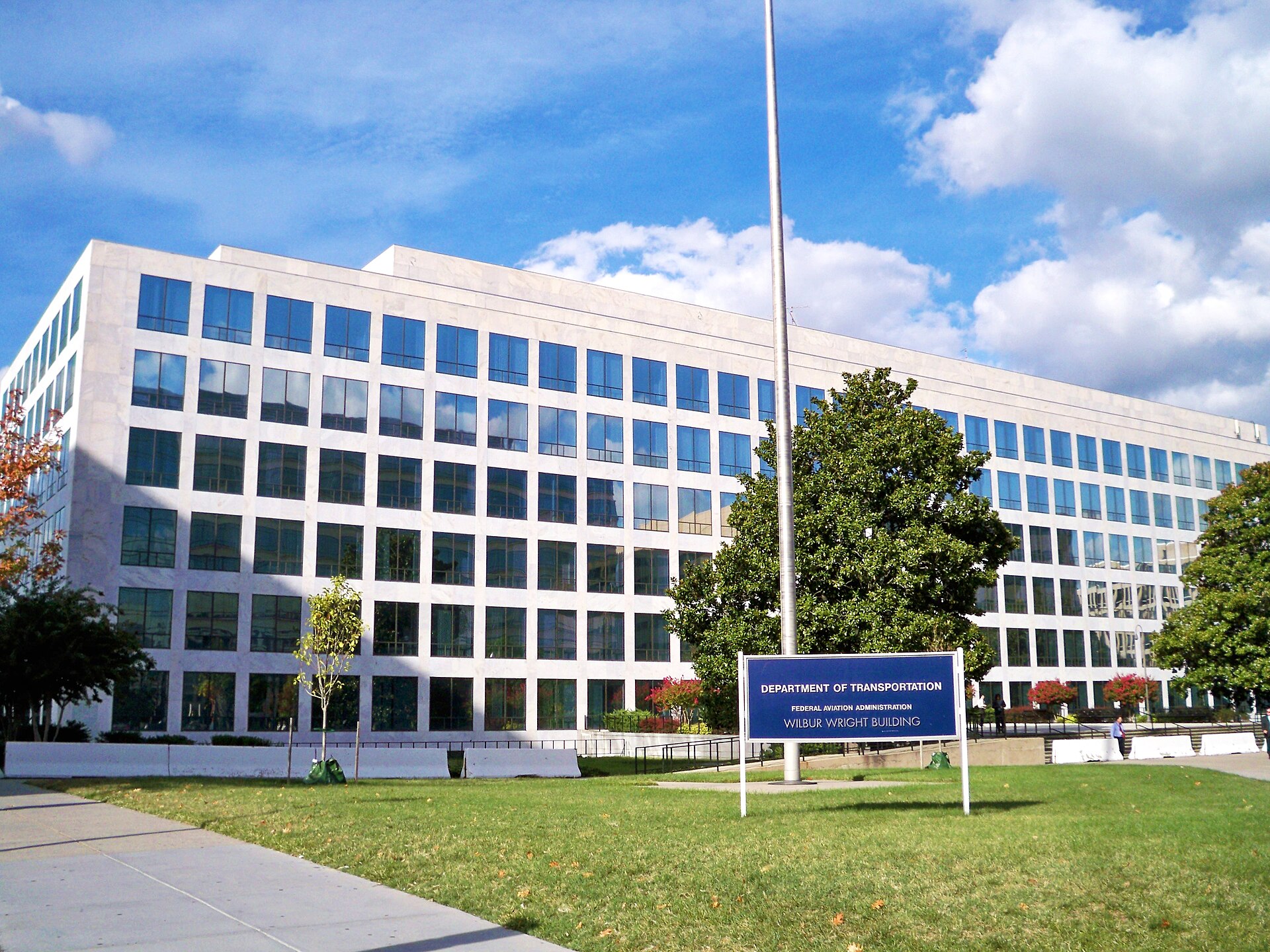
The Federal Aviation Administration has introduced stricter requirements for Line Up and Wait operations at airports across the United States, effective November 24, 2026. The new rules require a dedicated air traffic control supervisor to oversee these operations, potentially preventing controllers at understaffed facilities from using the procedure. The change comes just as millions of Americans prepare to travel for Thanksgiving, raising concerns about longer departure queues and additional flight delays.
Despite reports describing the measure as a permanent nationwide ban, the FAA has not prohibited Line Up and Wait operations altogether. Instead, it has made them conditional on additional staffing, introducing another operational challenge for an air traffic control system already struggling with personnel shortages. The official notice lists June 9, 2027, as its cancellation date, making the description of the rule as an indefinite prohibition misleading.
Staffing Shortfalls and Pay Metrics
The new requirement is outlined in FAA Notice JO 7210.979, which mandates that a standalone watch supervision position must be staffed whenever Line Up and Wait operations are conducted. Previously, the relevant guidance recommended that the local control position should not be combined with other responsibilities. The updated wording makes this a mandatory requirement, meaning supervisors can no longer simultaneously perform other operational duties while overseeing these operations.
This regulatory shift occurs against the backdrop of a significant workforce deficit. The FAA ties delayed pay to efficiency metrics that demand more on position time amid a 3,000 controller shortfall. The agency is attempting to address its longstanding air traffic controller shortage through an ambitious recruitment campaign, including an unusual effort to attract video gamers. In October 2026, the agency announced that it had hired 2,235 controller trainees during the fiscal year, exceeding its recruitment target. The campaign reportedly attracted more than 12,000 qualified applicants within just 24 hours.
However, recruiting additional candidates does not immediately solve the staffing problem. According to the FAA’s 2026 workforce plan, becoming a fully certified controller can take more than two years, depending on the complexity of the assigned facility. The agency has set recruitment targets of 2,300 trainees for fiscal year 2027 and 2,400 for 2028, while expanding training capacity and modernizing its workforce management procedures.
Impact on Holiday Travel
Line Up and Wait is a widely used air traffic control procedure that allows aircraft to enter an assigned runway and hold in position while waiting for takeoff clearance. It helps improve runway efficiency because departing aircraft are already positioned when the runway becomes available. However, under the new requirements, airports without sufficient personnel to provide dedicated supervision will have to keep aircraft waiting at taxiway holding points instead. This could reduce departure capacity, particularly during busy periods.
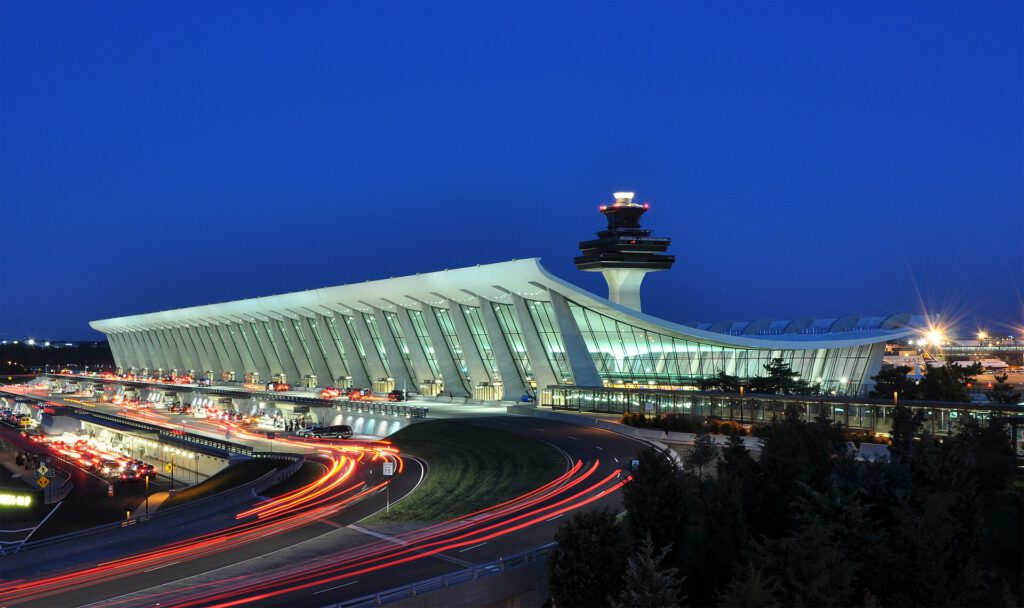
The timing is concerning because November 24 coincides with the beginning of one of America’s busiest Thanksgiving travel periods. According to the FAA forecast reported by Traveling for Business, more than 52,000 flights were scheduled for that Tuesday, with over 417,000 expected throughout the nine-day holiday period. As a result, the new Line Up and Wait requirements could create additional operational pressure before the benefits of increased recruitment become apparent.
FAA provided a statement to Simple Flying to clarify the new rule: “The FAA is taking proactive steps to further strengthen runway safety by enhancing staffing and supervisory requirements for Line Up and Wait (LUAW) at airports nationwide, effective Nov. 24, 2026. These measures ensure dedicated controller staffing and supervisory oversight during LUAW operations and reinforce the FAA’s commitment to maintaining the highest safety standards. This will not impact airport operations.”
The controversy gained attention after a radio exchange at Albuquerque International Sunport. According to TheTravel, a controller told a Southwest Airlines crew about the new nationwide requirement, warning it could slow departures during the busiest travel time of the Thanksgiving rush. The controller described the restriction as something that would last forever, although the FAA’s official notice did not use that wording.
Importantly, the FAA’s stated objective is to improve runway safety, not reduce airport capacity. Having a dedicated supervisor overseeing operations should help prevent distractions and improve situational awareness when aircraft are positioned on active runways. The FAA’s existing procedures also emphasize that Line Up and Wait is not takeoff clearance and that aircraft should not normally remain in that position for more than 90 seconds without further instructions.
Source: Simple Flying
