


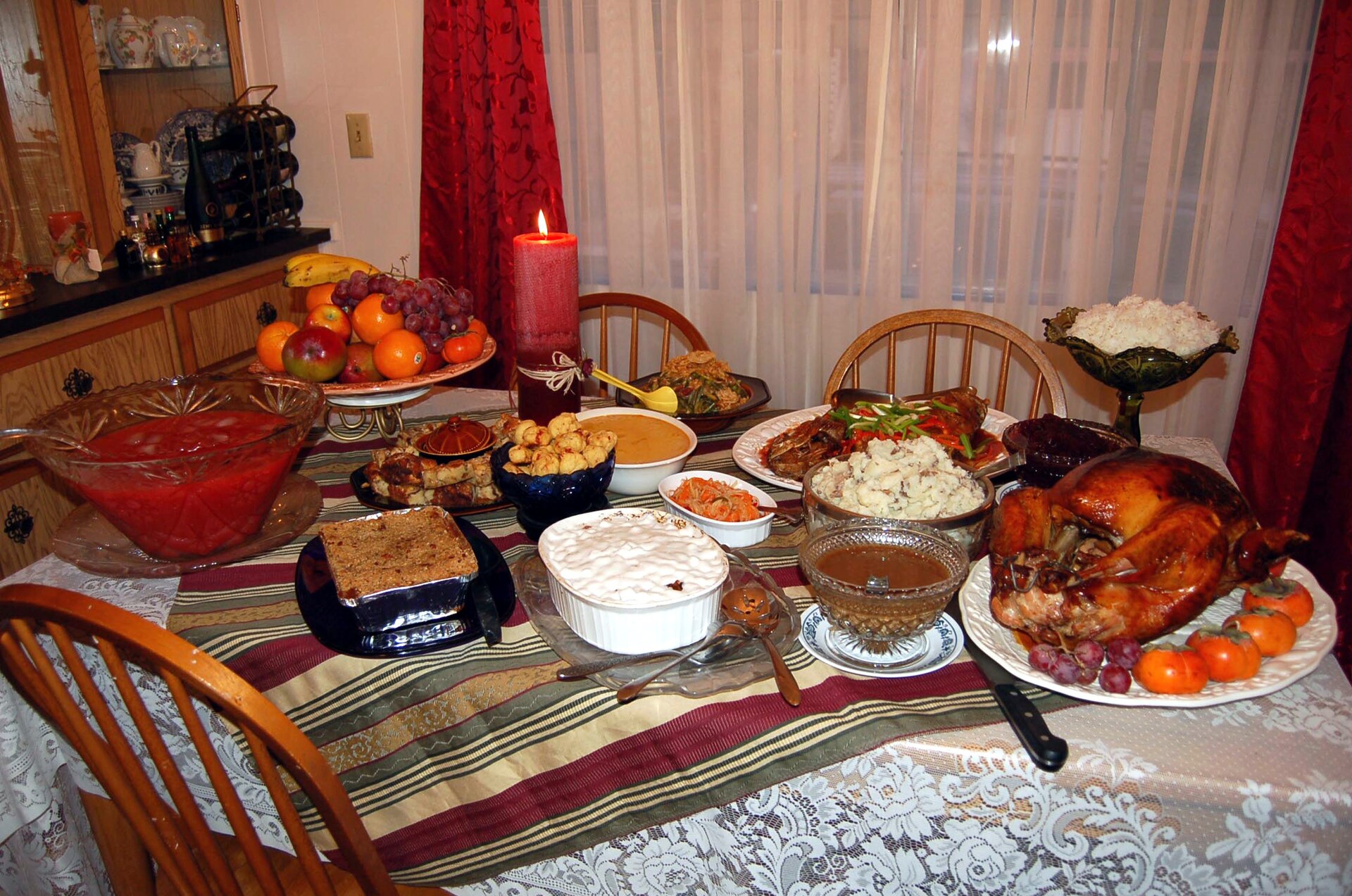
As airports prepare for one of the busiest travel periods of the year, passengers packing holiday meals face specific security regulations. The Transportation Security Administration enforces strict guidelines on what food items can pass through checkpoints in carry-on luggage. Understanding these rules helps travelers avoid delays and ensure their dishes arrive intact.
TSA 3-1-1 liquids rule applies to holiday sides
The core of the regulation is the 3-1-1 liquids policy. This rule states that any substance that can be pumped, poured, sprayed, or spread must be in containers of 3.4 ounces or less. These containers must fit inside a single quart-sized bag. This policy affects many classic Thanksgiving sides. Items such as cranberry sauce, gravy, and certain dips fall into this category. If these items exceed the volume limit, they cannot pass through security in a carry-on bag.
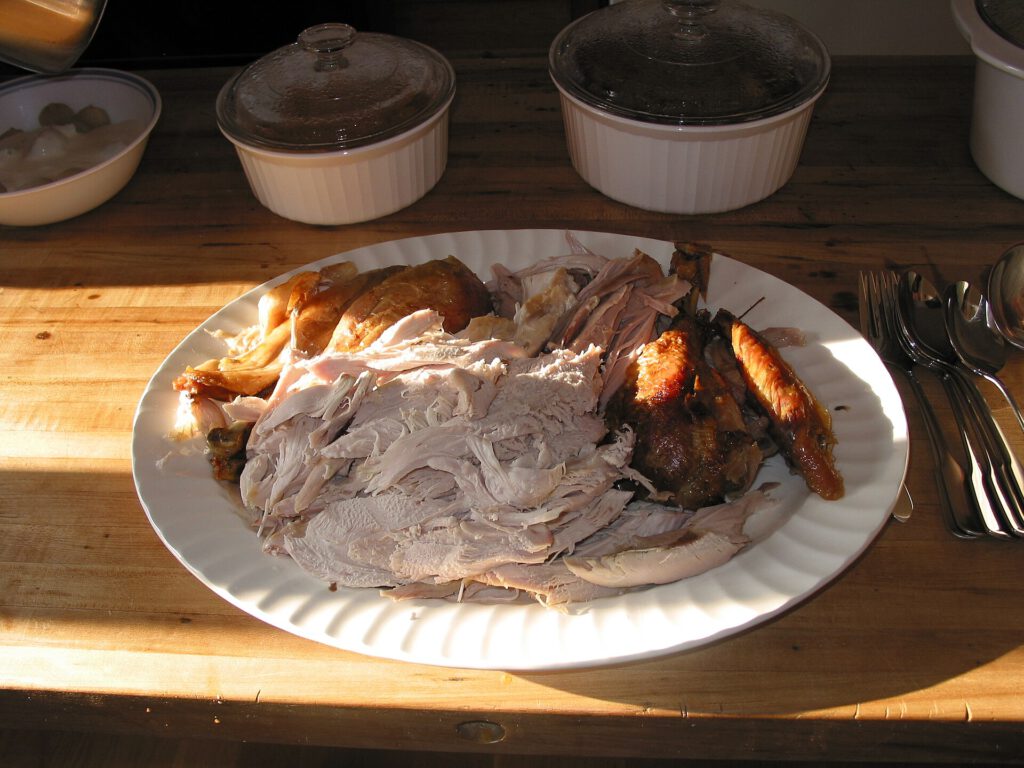
Travelers who wish to bring larger quantities of these items must pack them in checked luggage. Using checked bags is a practical solution for families transporting multiple dishes. Many airlines offer free checked bags or credits for certain travelers, which can offset the cost of checking extra luggage during the holiday rush.
Frozen items and solid foods guidelines
Solid foods generally pass through security without issue. Travelers can bring whole turkeys, hams, and cooked poultry in their carry-on bags. Stuffing, macaroni and cheese, casseroles, pies, and pastries are also permitted. Fresh fruits and vegetables are allowed as well. However, these items may undergo additional screening. Officers might ask travelers to remove them from their bags for a separate X-ray scan.
Frozen items present a unique challenge. The TSA requires that frozen goods, including ice packs, remain solid when they reach the checkpoint. A partially melted turkey or slushy ice packs will be treated as a liquid. This means they must comply with the 3.4-ounce limit or be discarded. To ensure compliance, travelers should keep frozen items in the freezer until the last possible moment before leaving for the airport.
Perishable foods require careful handling. The U.S. Department of Agriculture advises special attention to packing and storing perishables. Food safety is a priority, and dishes that spoil during transit pose a health risk. Using adequate insulation and frozen gel packs helps maintain safe temperatures. Travelers should verify that their cooling methods meet the solid-state requirement at security.
Impact on airport security lines
Prohibited items cause significant delays at security checkpoints. Every time an officer must inspect a bag for a violation, the line slows down. This is particularly problematic during peak travel weeks. The Sunday after Thanksgiving recently set a record for the busiest day in U.S. airport history. Efficient packing reduces the workload for security officers and speeds up the process for everyone.
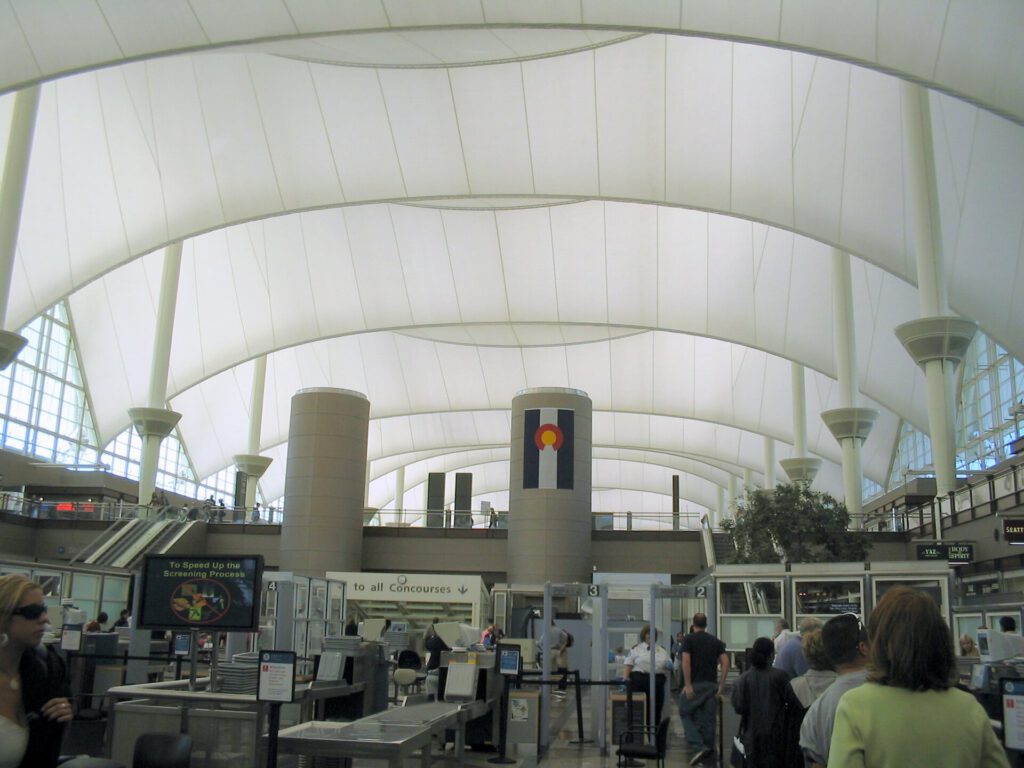
Travelers using TSA PreCheck still must adhere to the same food regulations. The expedited screening process does not exempt passengers from the 3-1-1 rule or the frozen item policy. Planning ahead and verifying item eligibility before arriving at the airport is the most effective way to avoid complications.
Source: The Points Guy
