


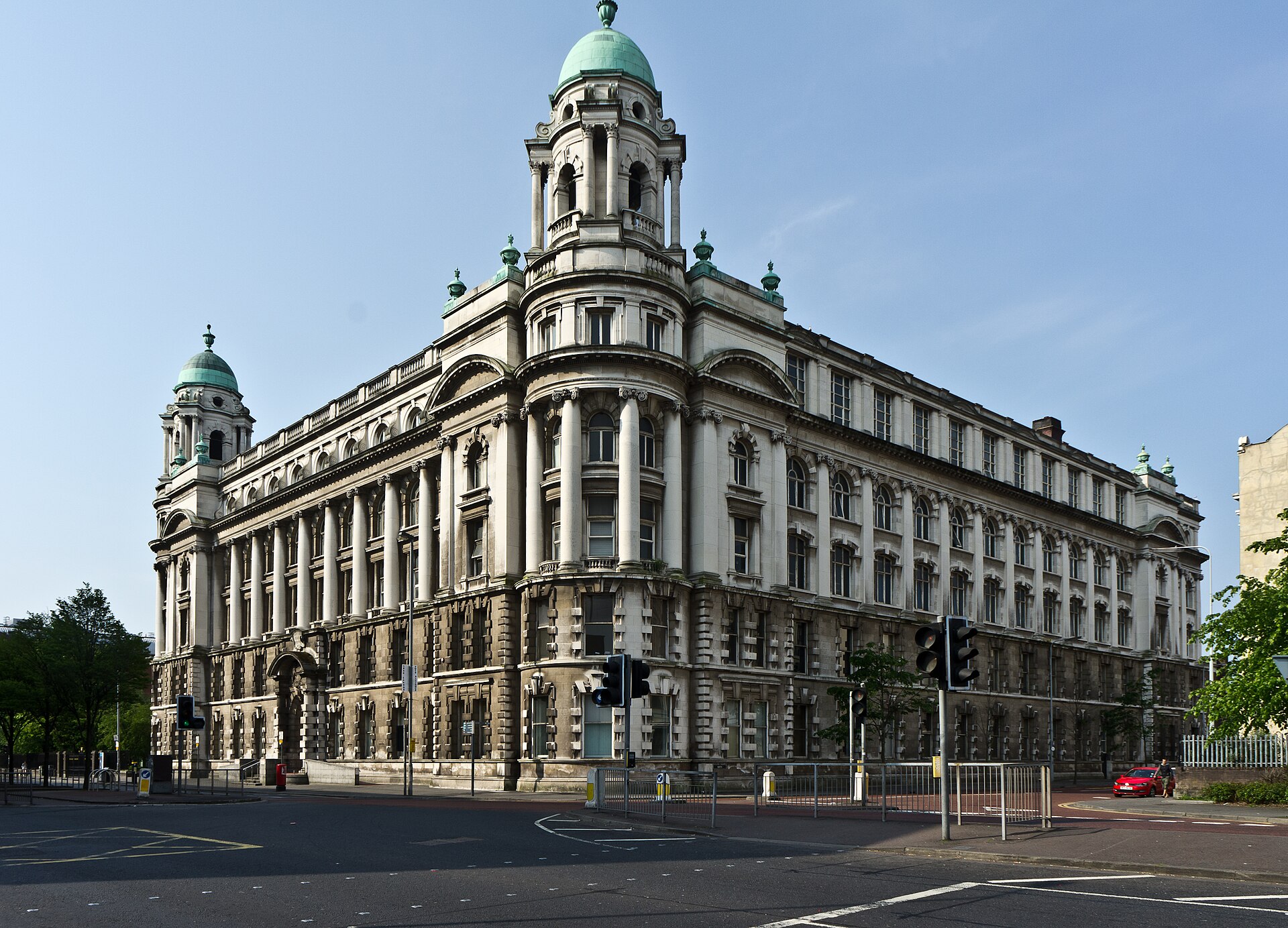
Consultants and specialist doctors within the Belfast Health and Social Care Trust have commenced a 24-hour strike as part of an ongoing dispute regarding compensation. The industrial action follows a separate walkout by resident doctors on Friday, signaling a widening rift between medical staff and government officials over pay rates.
The British Medical Association (BMA) in Northern Ireland rejected the recommended 3.5% pay increase proposed by the independent pay review body. Instead, the union is demanding that the real-term value of doctors’ salaries be restored to 2008 levels. Health Minister Robbie Butler stated that while he accepted the recommended rise, he lacked the necessary funding to implement it without impacting other departmental priorities.
Impact on patient care and emergency services
The strike, which began at 07:00 GMT on Monday, is structured as Christmas Day cover action. This arrangement ensures that full emergency cover remains in place for patients requiring urgent attention. However, routine investigations, operating lists, and hospital appointments are expected to be disrupted.
Dr. David Farren, chair of the BMA’s Northern Ireland consultants committee, emphasized that the union provided six weeks’ notice to allow trusts to plan for the disruption. He noted that any meaningful engagement with the government could have prevented the strikes. “No doctor wishes to strike,” Farren said, expressing regret that the situation had reached this point.
Patients with scheduled appointments on Monday were advised to attend unless their specific trust instructed otherwise. The Western and South Eastern trusts confirmed that most clinics would operate as normal, though the South Eastern Trust announced the closure of the urgent care centre at Lagan Valley Hospital. Postponed procedures would be rescheduled at the earliest opportunity.
Doctors cite under-resourced health service
Medical staff on the picket lines outside the Ulster Hospital described the strike as a necessary measure to advocate for the health service. Niall Corrigan, a consultant psychiatrist, argued that the sector had been under-resourced for years. He warned that without industrial action, there would be a continuing degradation of the health service.
Leanne Davison, an associate specialist doctor in intensive care, highlighted the frustration of seeing colleagues across the UK receive better pay awards. She stated that most public and private sector workers were now back in line with inflation, while doctors and nurses were not. Davison described the current working conditions as “third world,” citing the moral injury of delivering care in corridors.
Health Minister Butler acknowledged the real consequences for patients, with approximately 1,694 individuals expected to be impacted by the Monday strike. He warned of further knock-on effects as the health service heads into the busy winter period. The Department of Health estimated that implementing the 2026-27 pay award and the Real Living Wage would cost around £280 million.
Sinn Féin assembly member Philip McGuigan, chair of Stormont’s health committee, expressed understanding for disappointed patients but urged the minister to engage meaningfully with the BMA. The dispute remains unresolved as healthcare workers across the UK continue to ballot for further industrial action.
Source: BBC
