


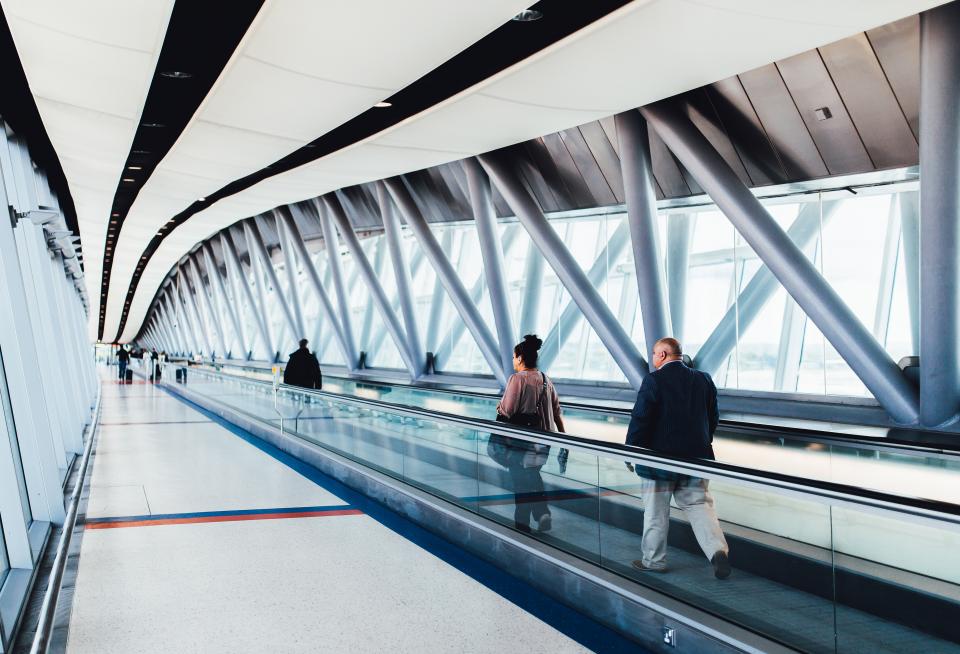
Federal officials have established a specialized “Tiger Team” to oversee flight operations during the Thanksgiving holiday. The group aims to prevent the kind of nationwide groundings that disrupted air travel earlier this month. This initiative targets the busiest travel week of the year, with the goal of ensuring a smoother experience for millions of passengers.
The Tiger Team held its first meeting on November 16. According to Travel Pulse, the group will convene once a week leading up to the holiday. The formation of this team follows a four-hour nationwide ground stop on November 13. That event stranded millions of travelers and highlighted vulnerabilities in the national aviation system.
Tiger Team Composition and Oversight
The monitoring group includes senior representatives from four key federal entities. These include the Federal Aviation Administration (FAA), the Department of Defense, the Office of the Director of National Intelligence, and the Department of Transportation (DOT). The White House has deployed this cross-agency effort to reassure the public that flights will remain safe during the holiday rush.
White House spokesperson Allison Schuster emphasized the administration’s commitment to aviation safety. She stated that President Trump and Transportation Secretary Sean Duffy assembled top government officials to ensure the previous week’s disruptions do not recur. Schuster noted that work continues to maintain the United States’ reputation for world-class aviation.
The timing of this oversight comes as the industry faces economic headwinds. Fewer travelers are expected to fly this year due to high airfares. The ongoing crisis in the Middle East has contributed to increased ticket prices, reducing overall demand for air travel during the holiday season.
FAA Modernization and Funding Requests
Transportation Secretary Sean Duffy has placed significant blame on the FAA’s aging infrastructure for the recent chaos. He told CBS News that the United States must move away from its old telecommunications network. Duffy argued that the current technology is inadequate for modern air traffic demands and requires rapid replacement.
To support this overhaul, Duffy has requested an additional $50.1 billion from Congress. This funding would supplement the $12.5 billion already granted to the DOT in 2025. The administration views this investment as essential to making nationwide groundings a thing of the past. Officials have ruled out malicious activity by state or non-state actors as the cause of the November 13 failure.
The November 13 ground stop remains the longest in US aviation history since the September 11 attacks. The disruption led to the cancellation of over 17,000 flights between the Friday of the stop and the following Sunday. Major carriers including American Airlines, Delta Air Lines, Southwest Airlines, and United Airlines each canceled more than 1,000 flights on that single day.
The economic impact of the disruption was severe. Airlines faced significant losses during a year when profit margins were already shrinking. The knock-on effects of displaced aircraft and crews extended well beyond the weekend. Delta Air Lines responded by extending its flexible rebooking policy and advising passengers to allow extra travel time.
Duffy has not ruled out the possibility of future ground stops while the air traffic control system undergoes updates. The Tiger Team’s primary objective is to ensure that such events do not coincide with the Thanksgiving travel peak. The group will monitor operations closely to mitigate risks during this critical period.
Source: Simple Flying
