


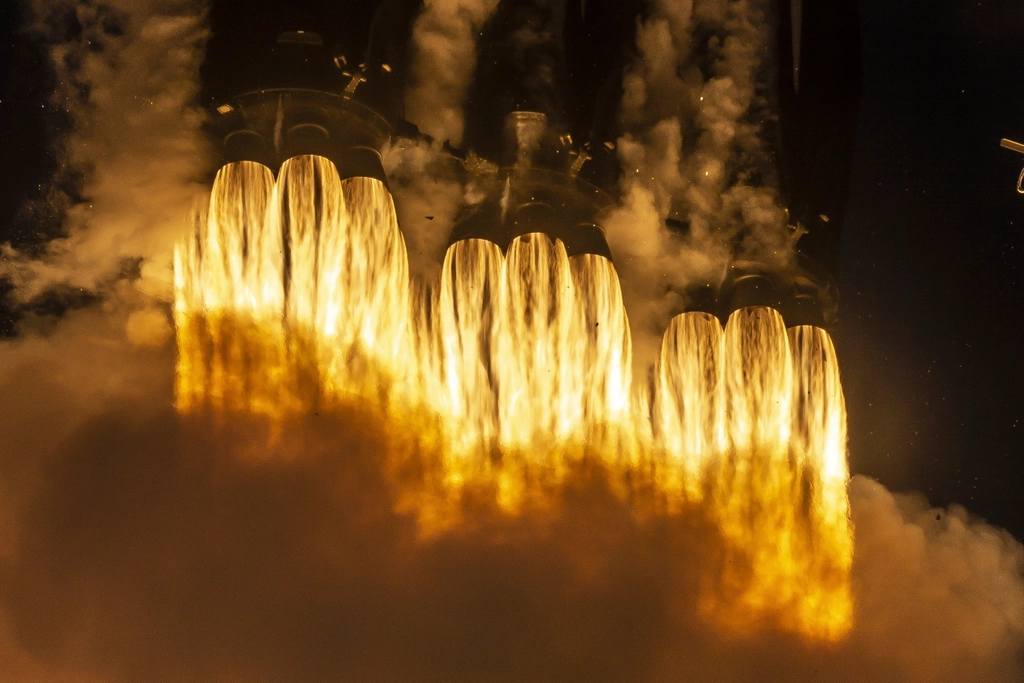
China launched its Shenzhou-24 space mission on Wednesday, marking a significant milestone in international space cooperation. The rocket carried three astronauts to the Tiangong space station, including Muhammad Zeeshan Ali, who became the first foreign national to board the orbital facility.
Historic Launch for Pakistan
The launch represents a major step in the growing space ties between Beijing and Islamabad. Ali’s presence on the crew highlights the expanding scope of China’s space program, which has increasingly looked to partner with other nations for its missions. The mission is expected to last for several days before the crew returns to Earth.
This event underscores the global nature of modern space exploration, where international collaboration plays a central role. The Tiangong space station has become a hub for such partnerships, offering opportunities for astronauts from countries that do not have their own independent human spaceflight programs.
Details of the Shenzhou-24 Mission
The Shenzhou-24 mission is part of China’s ongoing efforts to maintain and expand operations at its Tiangong space station. The three-person crew will conduct various scientific experiments and maintenance tasks during their stay. The successful launch and docking of the Shenzhou spacecraft are critical for the continuity of operations at the station.
China has been steadily building its presence in low Earth orbit, with Tiangong serving as a platform for both domestic and international research. The inclusion of a Pakistani astronaut in this mission reflects the strategic importance of space diplomacy in China’s foreign policy.
The mission follows a series of successful launches and crew rotations at the station, demonstrating China’s capability to sustain long-term human presence in space. The return of the crew after their stay will provide valuable data on the effects of space travel on international astronauts.
Source: BBC
