


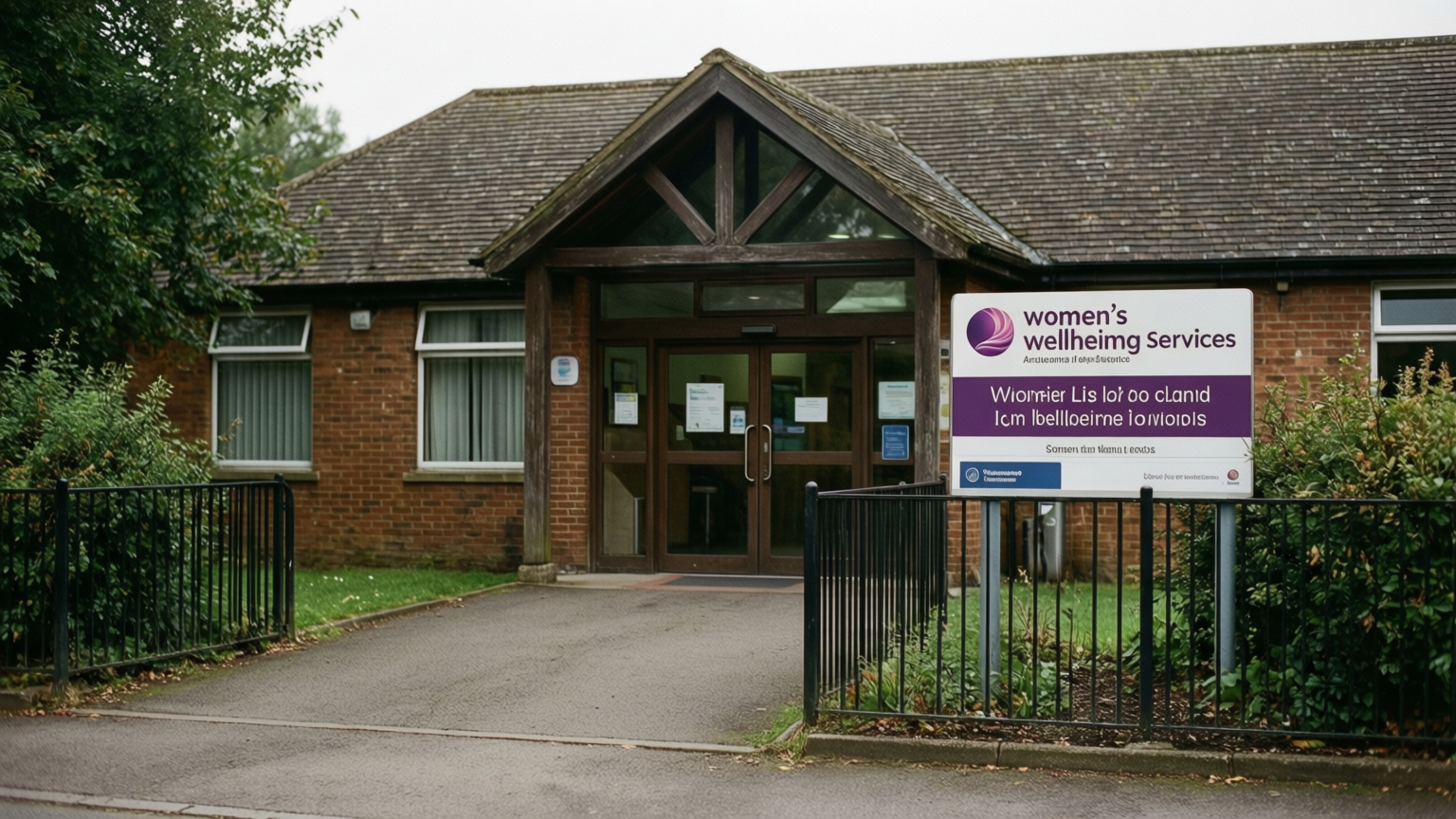
A comprehensive report commissioned by Luton Borough Council has highlighted a severe health crisis affecting older Asian women in the town. The study, titled Let Women Speak, found that health statistics for this demographic are deteriorating, with poor female health onset occurring five years earlier than the national average.
Screening Rates and Physical Health
The data indicates a significant gap in preventative care. Only 52.5% of women aged 25 to 49 in Luton participated in cervical screening, while breast screening uptake stood at 63%. These figures fall well below the national average of 71%. Furthermore, more than 70% of women between the ages of 45 and 64 were found to have an at-risk body mass index.
Firoza Abdool-Sathar, director of the Centre for Youth and Community Development (CYCD), described the situation as a crisis of unheard voices. She noted that for many South Asian women in Luton, issues such as economic inactivity, lack of opportunities, and language barriers have historically prevented them from seeking help.
Abdool-Sathar explained that while younger, more educated girls now have better opportunities, the older generation has suffered from a lack of support. She pointed out that women in more affluent areas often have the luxury of time and resources to address health niggles early, whereas many women in Luton delay checking symptoms until their bodies begin to shut down.
Stigma and Family Dynamics
Yasmin Akhtar Yasin, project co-ordinator for the End The Silence initiative, emphasized that stigma remains a major obstacle. She highlighted the complex balancing act many women face, often prioritizing the health of their children, in-laws, and husbands over their own wellbeing.
Language barriers also play a critical role in misdiagnosis or lack of understanding. Yasin noted that some women do not recognize symptoms of menopause, such as hot flushes or sleep disturbances, leading to confusion and a lack of appropriate support from general practitioners or family members.
One 45-year-old attendee of CYCD sessions shared her experience, stating that marriage and raising five children eroded her confidence and health. She described years of neglecting her own needs to care for her family, which eventually led to anxiety and physical pain. She now attends daily exercise sessions to manage panic attacks, though she acknowledges the long-term impact on her joints and overall health.
The CYCD, based in Bury Park where over 70% of residents identify as Asian, provides essential services including exercise classes and support for victims of domestic abuse and female genital mutilation. Following the release of the report, local councillors have agreed to champion women’s health and implement measures to improve community wellbeing.
Source: BBC
