


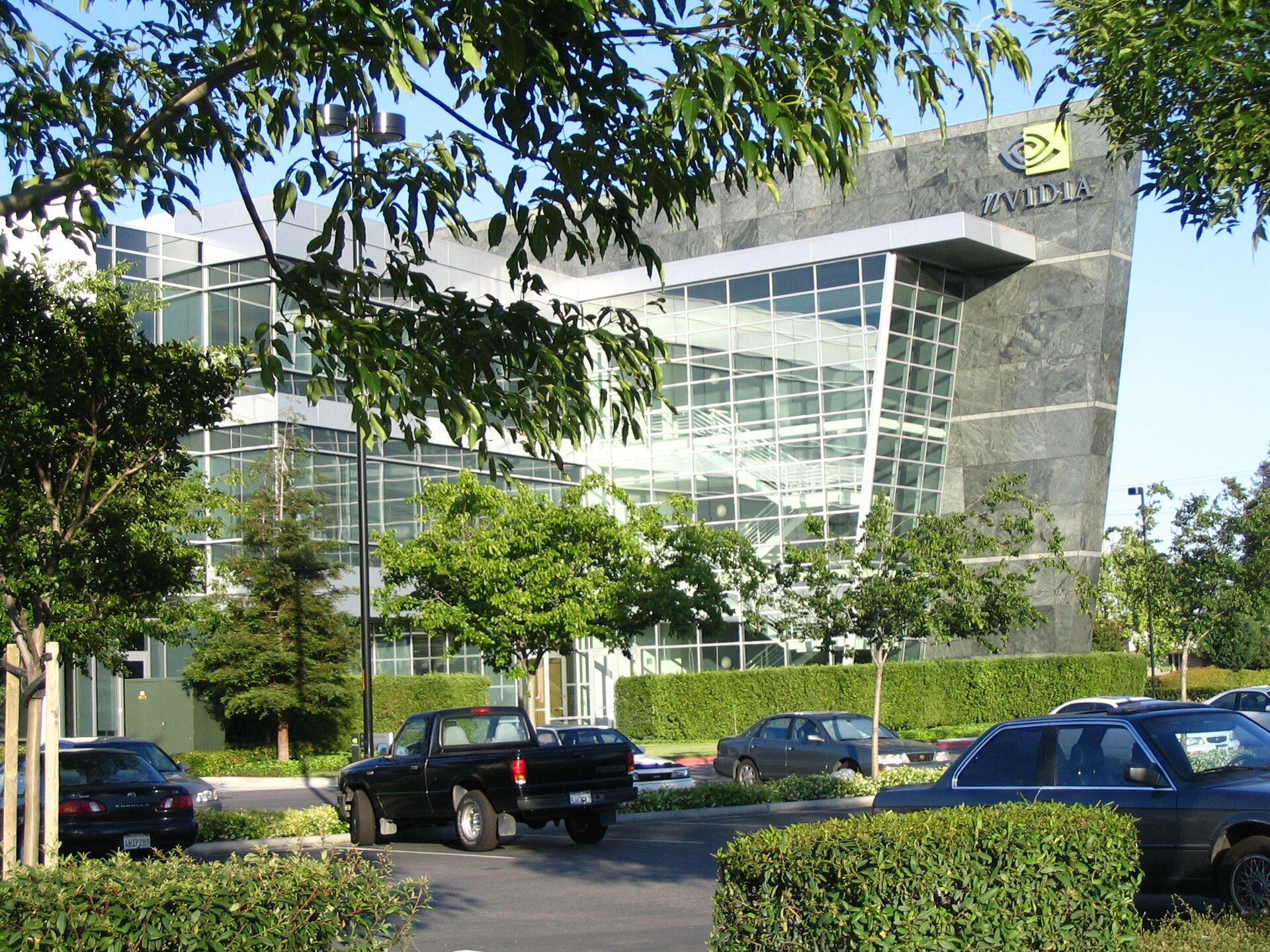
US Attorney General Todd Blanche has publicly backed Nvidia as a “good corporate citizen” while declining to answer questions about whether the artificial intelligence chipmaker is under federal investigation. The comments came as lawmakers demand clarity on the reinstatement of CEO Jensen Huang and potential national security risks linked to the company.
Blanche spoke to reporters on Tuesday, the day after Huang was reinstated as chief executive. The board had reversed its decision to remove Huang less than two weeks after he was forced to resign. His departure followed revelations of extramarital affairs, including a relationship with an alleged Chinese spy who led Megaspeed, a Singapore-based corporate customer of Nvidia.
Blanche dodges investigation questions
When pressed by reporters about whether the Justice Department or the FBI had investigated Huang, Blanche responded repeatedly that he did not know what they were talking about. He also stated he had no information regarding Huang’s security clearance status, a point of contention as Congress seeks to understand President Donald Trump’s role in the executive’s return.
Blanche noted that the Justice Department handles “hundreds, if not more” export investigations at any given time. When asked if the specific probe into Megaspeed was still ongoing, he reiterated his lack of knowledge on the matter. However, the Commerce Department announced last week that it was preparing to blacklist Megaspeed. A joint statement from the Commerce and Justice departments indicated they began investigating the firm in 2024 for potential export control violations.
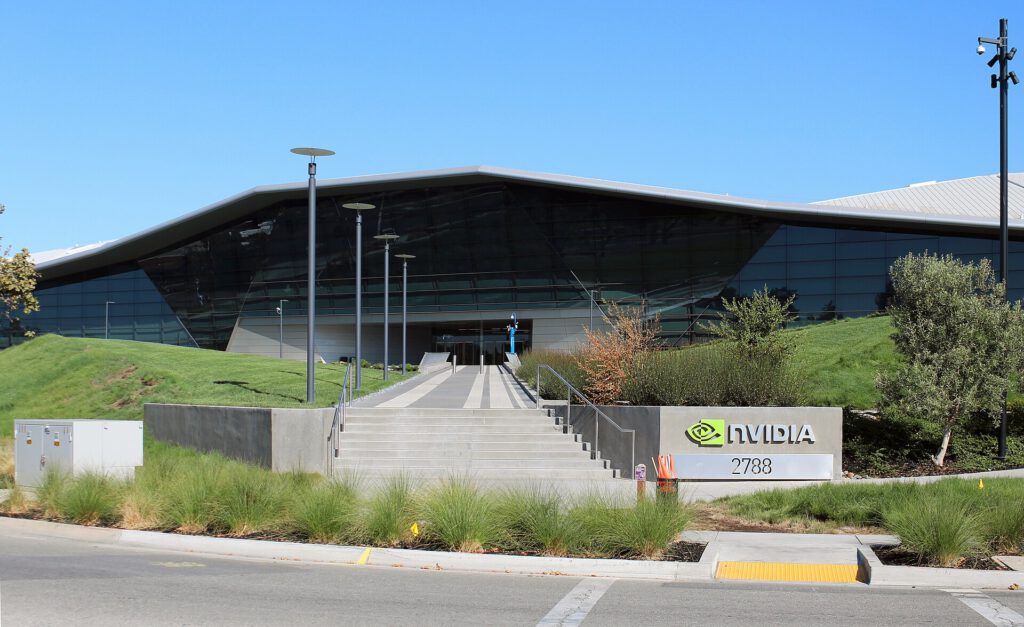
Despite the lack of specific confirmation, Blanche defended the company’s conduct. “I have no reason to stand up here and say Nvidia is anything but a good corporate citizen,” he said. He added that if Nvidia were the target of a criminal investigation or had obstructed efforts to determine if chips were diverted to China, the President would not be sending a positive message to the American people.
Political pressure and market reaction
President Trump has stated he would consider pardoning Huang for any potential criminal activity, though he expressed doubt that such action would be necessary. Trump told the New York Post that he spoke to Nvidia’s directors and convinced them to bring Huang back, a move that some politicians argue ties the administration’s political fortunes to the tech giant.
Republican Senator Pete Ricketts argued that Huang’s personal behavior does not absolve Nvidia of answering for national security concerns and unaccounted-for chips. Republican Congressman Don Bacon said the company should have ignored the administration’s “inexplicable desire to save Huang.” Democratic Congressman Robert Garcia, the incoming chairman of the House oversight committee, said Trump’s direct involvement raises serious questions about corruption and national security.
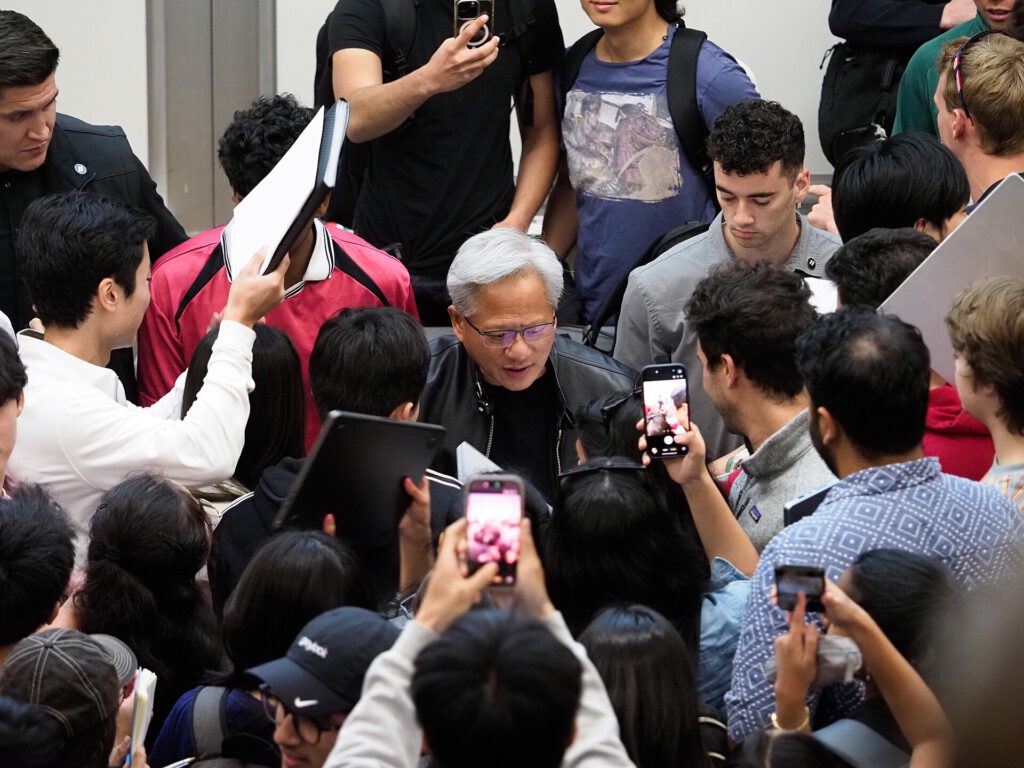
Democratic Senator Ruben Gallego called for Congress to investigate what stock positions were taken before the announcement of Huang’s return. Meanwhile, Huang is set to appear before Congress next week to answer questions about national security concerns related to his relationship with the alleged spy.
On Monday, Nvidia’s stock market value surged more than 31% following news of Huang’s return. However, gains were reversed in volatile trading on Tuesday, with the share price closing down nearly 6%, though still well above its previous week’s close. Harvey Jones, chairman of Nvidia’s board, said the reinstatement was in the “best interests of our stockholders, employees, partners and customers.” The board stated it received input from senior levels of the US government and was confident that Huang’s return posed no national security risk.
Huang reportedly apologized to employees on Tuesday, admitting he made “terrible mistakes” and stating he is now in therapy for 90 minutes per day.
Source: BBC
