


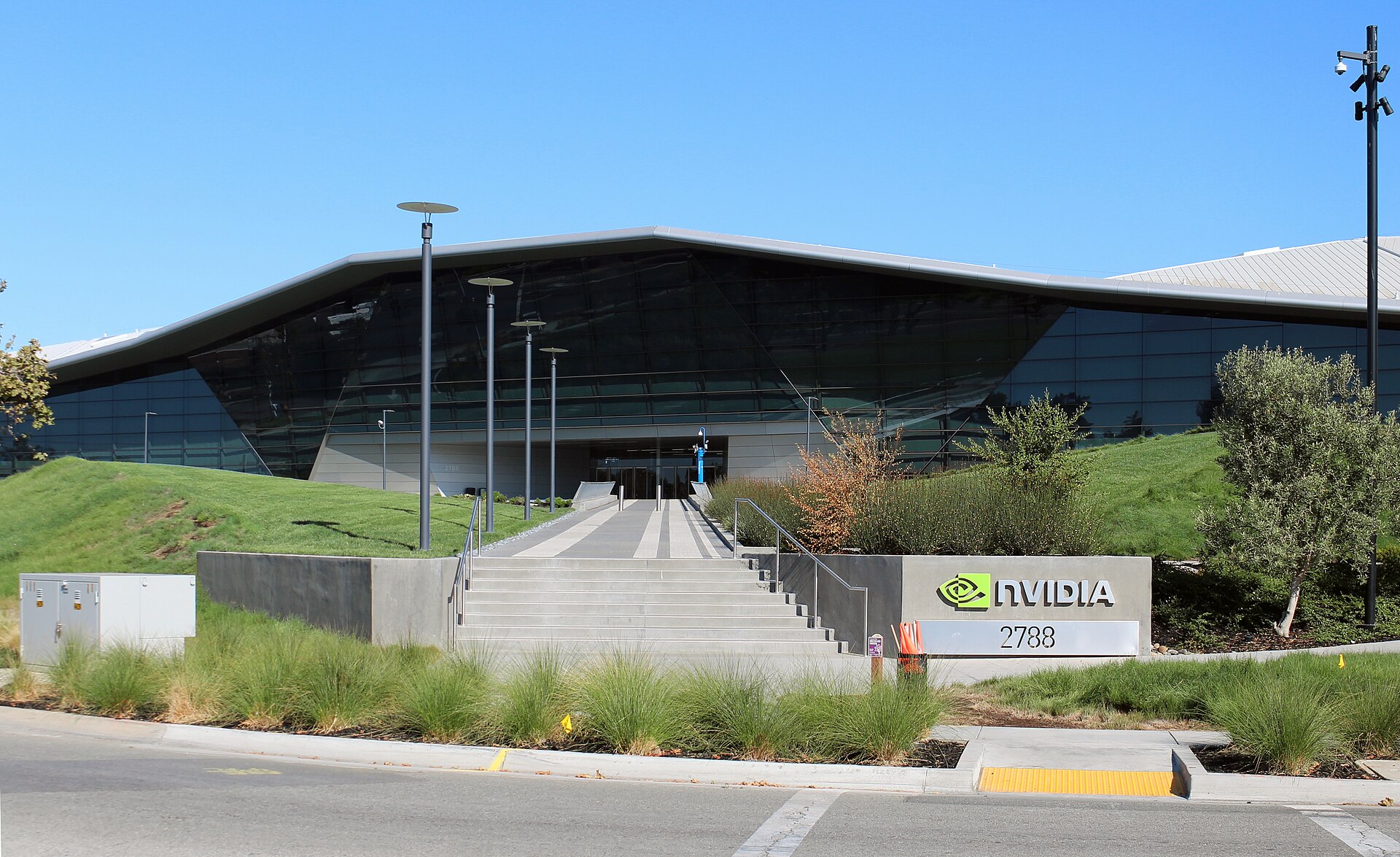
Nvidia has instructed its manufacturing partners to suspend shipments of artificial intelligence servers to Southeast Asia, according to a report by the Financial Times. The directive affects Dell, Supermicro, and other firms that assemble servers using Nvidia chips. Customers in Singapore, Thailand, Malaysia, and Indonesia have been notified that the chipmaker has forbidden the delivery of their orders.
This move is part of a broader effort by the United States to close a loophole that allowed Chinese artificial intelligence companies to rent computing power from data centers outside of China. The region has become a popular hub for these operations due to its proximity to major Chinese tech hubs like Hong Kong, Shenzhen, and Shanghai.
Export License Requirements
The U.S. Commerce Department has introduced new rules requiring cloud providers to obtain an export license for advanced AI chips. Companies now have 90 days to apply for these licenses and prove that their customers do not include restricted entities. The White House is also collecting a 25% fee for every chip exported under this new framework.
Although President Trump allowed Nvidia to export H100 AI GPUs to China in December 2025, the new regulations have created significant uncertainty. One cloud provider executive told the Financial Times that there are no clear instructions on how to apply for the license while the 90-day clock is ticking. The lack of guidance has caused confusion among businesses trying to comply with the new rules.
Impact on Regional Data Centers
The sudden halt in orders is causing trouble for many data centers in Southeast Asia. Aolani, a Singapore-based cloud company, is reportedly losing financing for a project with ByteDance. Bankers have stopped issuing credit worth $500 million as Nvidia GPU shipments to the region remain in jeopardy. The Chinese social media giant could potentially drop out of the arrangement if it cannot access the powerful Nvidia chips that many AI labs prefer for training their models.
Chinese AI labs have increasingly turned to renting compute from data centers located abroad to bypass export bans. The new restrictions aim to limit China’s advancement in artificial intelligence by cutting off access to advanced hardware. The impact of these measures on the global semiconductor supply chain remains to be seen.
Source: Tom’s Hardware
