


The United States has announced a fresh set of import taxes targeting China, the European Union, and 12 other jurisdictions. The White House initiated these measures after the Supreme Court ruled earlier tariffs illegal, establishing a new legal pathway for the administration to impose duties on foreign goods.
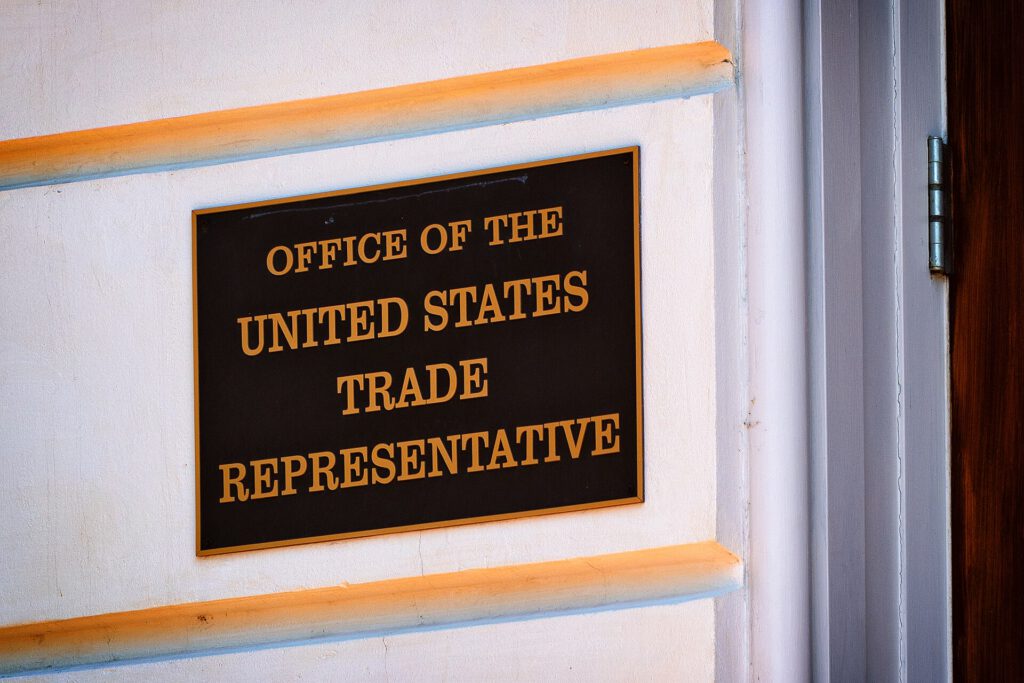
China faces the highest proposed rate of up to 40%, followed by Vietnam at 35%. Other affected nations, including Japan, South Korea, and Taiwan, will see rates of either 20% or 25%. The US Trade Representative (USTR) released extensive reports detailing how these jurisdictions allegedly distort trade and harm American commerce.
Legal Shift and Affected Nations
The new duties rely on the USTR’s authority to address foreign trade practices, a strategy that experts say provides a stronger legal foundation than the emergency powers used for the previously struck-down Liberation Day tariffs. Despite the legal shift, the measures are expected to face further challenges in court.
The proposed tariffs will impact goods from China, the European Union, Singapore, Switzerland, Indonesia, Malaysia, Cambodia, Thailand, Korea, Vietnam, Taiwan, Bangladesh, Japan, and India. Some rates may be effectively reduced due to caps agreed upon by President Trump. The duties are not scheduled to take effect until next year, allowing time for public consultation and potential hearings.
Jamieson Greer of the USTR stated that the tariffs aim to level the playing field for American workers. He argued that many trading partners have adopted industrial strategies targeting manufacturing and suppressing wages for decades. These practices, he claimed, tilt the trade balance in favor of other nations while eroding the US manufacturing base.
Global Reaction and Economic Impact
Trading partners have expressed strong disapproval of the announcement. The European Commission rejected the tariffs, noting that current duties are limited to the 15% previously agreed upon. Vietnamese Deputy Prime Minister Bui Thanh Son stated that the new rates do not reflect the reality of bilateral economic cooperation. The Japanese government described the move as regrettable.
Brazil, which faces a separate 10% tariff proposal, expressed outrage. President Luiz Inacio Lula da Silva’s office said Brazil would not yield to threats aimed at changing regulations on digital trade. Chinese Foreign Ministry spokesperson Guo Jiakun called the tariffs political manipulation, denying US claims that China produces more than it can consume.
Economists warn that these taxes could fuel inflation and push prices up for consumers. Stephen Brown of Capital Economics noted that the effective increase in tariff rates may be lower than expected because the new duties replace previously announced ones. He added that the additional burden is likely small because only a limited number of goods are subject to the new levies.
The announcement comes despite a recent meeting between President Trump and Chinese President Xi Jinping. The two sides made no announcement regarding the trade war truce, which is set to expire on January 10. Beijing appears prepared to accept the new rates provided they do not exceed 20%.
Source: BBC
