


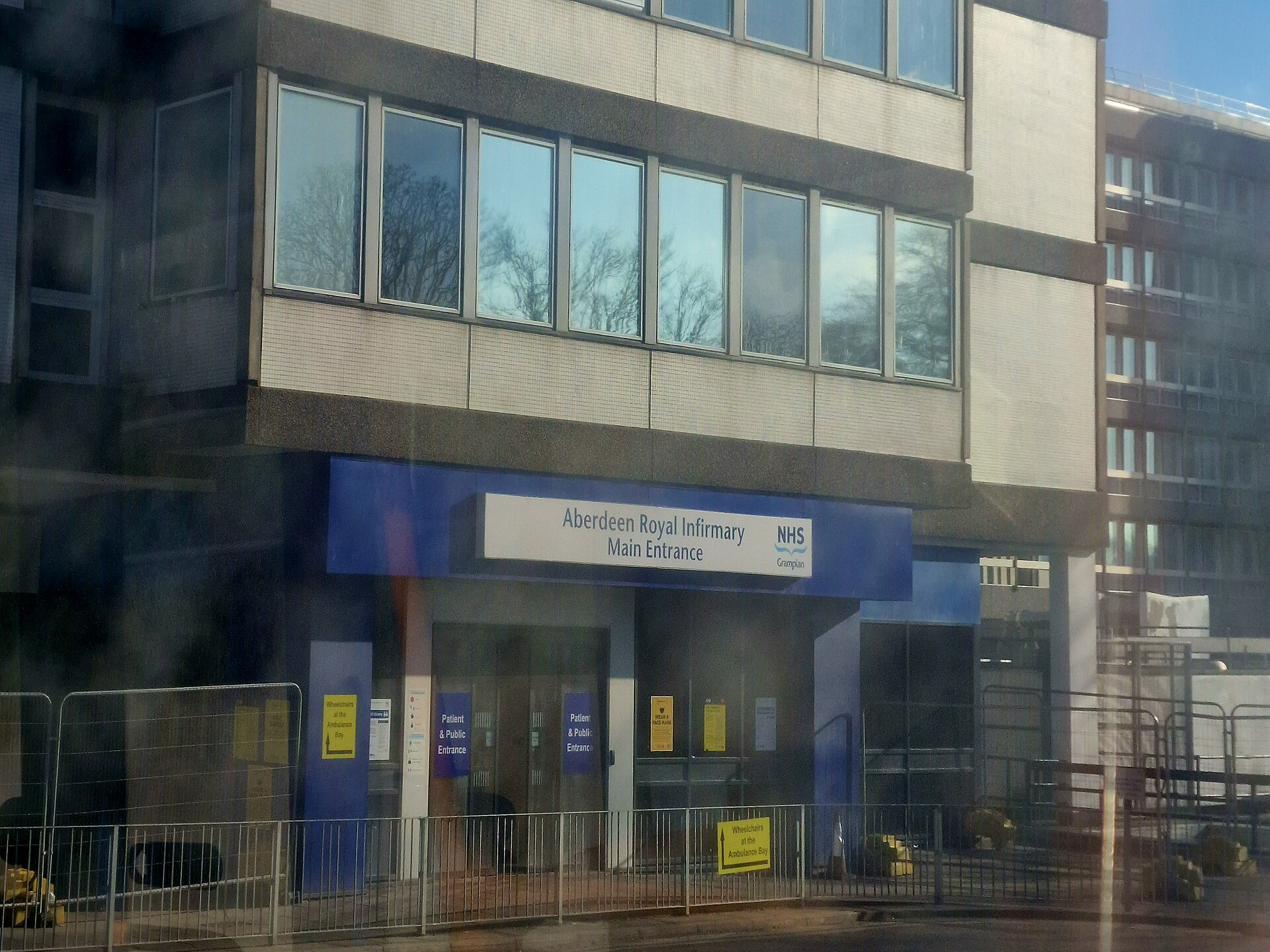
First Minister John Swinney is confronting what critics describe as the most significant political challenge of his tenure, following revelations that 19 patients at Aberdeen Royal Infirmary may have died from avoidable surgical errors. The crisis has triggered an independent review into how the Scottish government handled whistleblower complaints and whether senior officials failed to escalate serious safety concerns.
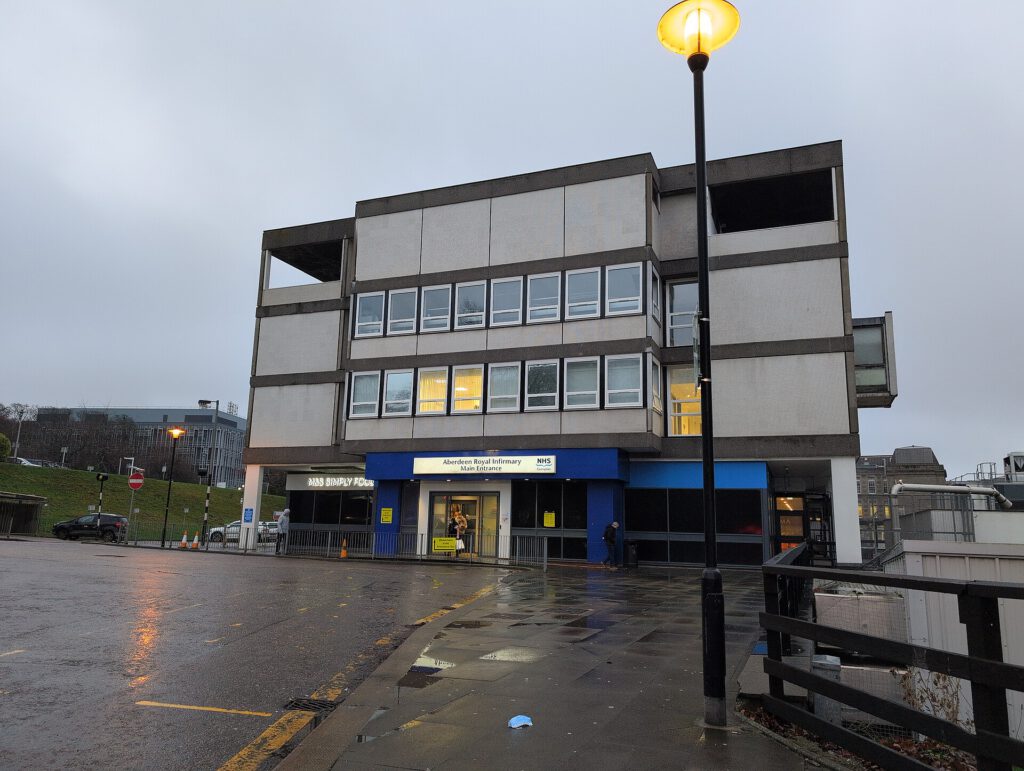
The controversy centers on a 2022 review conducted by University of Edinburgh professor Stephen Wigmore. The report examined 45 patients under the care of the hospital’s liver and pancreatic services over seven years. It found that 31 patients died, with 19 of those deaths linked to avoidable consequences of surgery or medical intervention. Despite the gravity of these findings, the information was not made public by NHS Grampian or the Scottish government at the time.
Whistleblower Claims Ministers Were Not Alerted
Dr. Mohammed Habib, a surgeon at Aberdeen Royal Infirmary, has been raising concerns about the department for a decade. He recently released the unpublished 2022 review, which detailed the high mortality rate. Dr. Habib stated that he attempted to bring the issue to the attention of the Scottish government, writing to the first minister on three separate occasions.
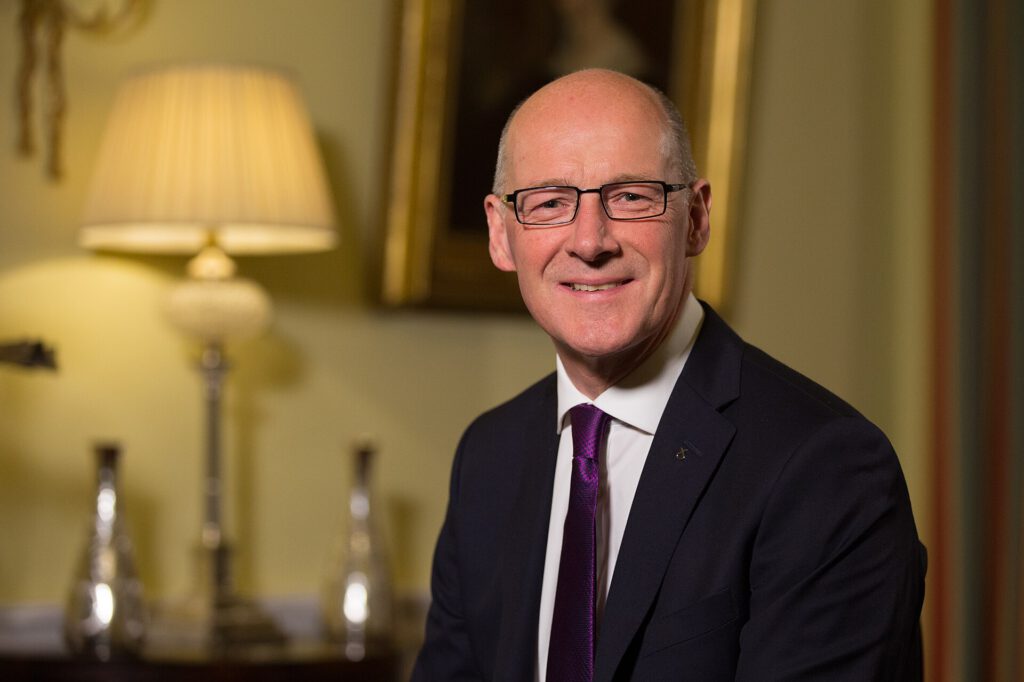
During a session at Holyrood, Swinney acknowledged the “gravest concern” raised by the doctor. He stated that his office had provided appropriate responses, which included directing Dr. Habib to national whistleblowing services and the police. However, it has since emerged that Swinney was not personally made aware of the correspondence regarding the potential deaths. This gap in communication has raised questions about the operational protocols within the highest office in devolved Scotland.
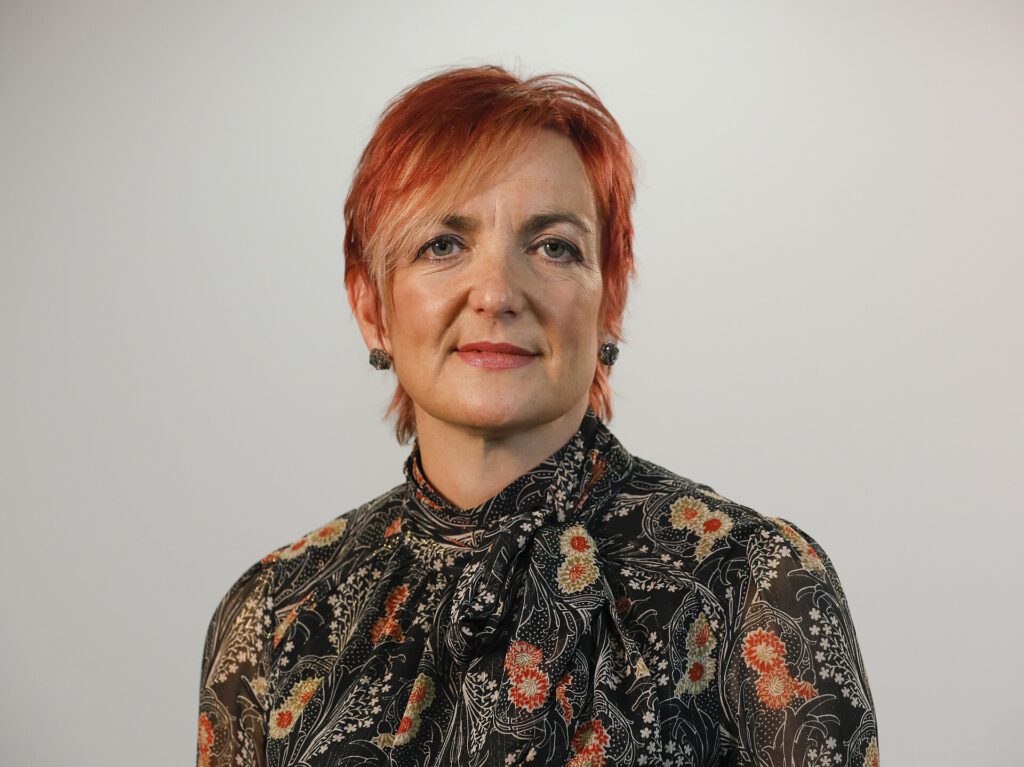
Health Secretary Angela Constance announced an independent review led by a King’s Counsel from outside Scotland. The inquiry will examine who knew what, when they knew it, and why the information was not escalated. Constance emphasized that the findings would be published in full and described the situation as a failure of accountability that needed to be addressed robustly.
Government Response and Broader NHS Implications
Constance rejected claims that no action was taken after the 2022 report. She noted that liver and pancreatic surgery was suspended and later resumed under the supervision of Professor Wigmore. The procedures were halted again on multiple occasions, and complex cases have been transferred to NHS Lothian since early this year. Former Health Secretary Humza Yousaf and current chief medical officer Sir Gregor Smith were reportedly aware of the review, though Yousaf has publicly supported further scrutiny.
The crisis has intensified calls for a judge-led public inquiry, although such investigations are known for their length and cost. Police are also assessing whether a formal investigation is warranted. The involvement of campaigning lawyer Aamer Anwar, who is assisting Dr. Habib, suggests that more patients and families may come forward with their experiences.
This event occurs against the backdrop of proposed reforms to the Scottish health service. The government is planning to merge regional health boards into two entities for mainland Scotland. Proponents argue this will create a more robust supervision system, while opponents fear it could obscure local deficiencies. The NHS Grampian crisis is likely to become a central feature in the debate over these structural changes.
As the independent review begins, the Scottish government faces the urgent task of restoring public confidence. The outcome will determine whether the current management structure can be trusted to prevent future harm or if more radical interventions are required to safeguard patient safety across the region.
Source: BBC
