


Solomon Islands and Australia have signed a sweeping security treaty that establishes Canberra as the island nation’s primary security partner. The agreement, signed on Wednesday, includes a pledge to ban foreign military bases on Solomon Islands soil and a financial package of 740 million Australian dollars ($490m) to fund education and other programs over the next decade.
Restrictions on Foreign Military Bases
The treaty explicitly states that Solomon Islands will allow no foreign military or security bases on its territory. The nation’s sensitive infrastructure, including ports, airports, energy facilities, telecommunications, and road and bridge construction, will remain free from militarization, foreign interference, and unauthorized access. These provisions directly address areas where China has previously dominated through its Belt and Road Initiative.

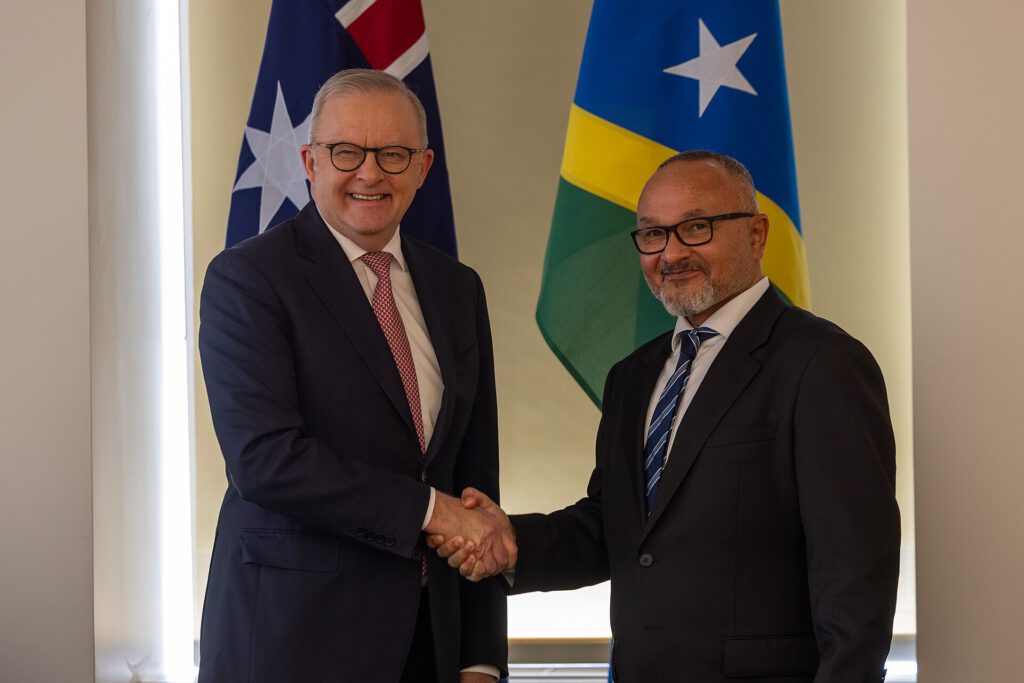
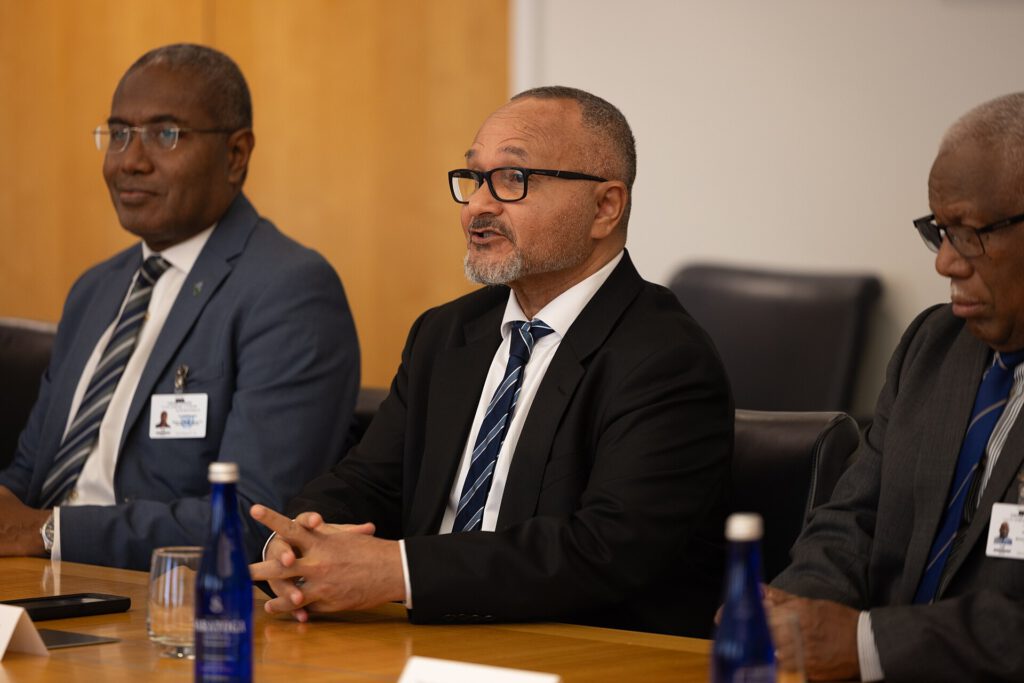
Prime Minister Matthew Wale told journalists alongside his Australian counterpart Anthony Albanese that the era of uncertainty in the region had ended. “Solomon Islands has been for a number of years a source of uncertainty and doubt in the region. Those days are gone,” Wale said.
The deal does not apply retroactively to existing infrastructure projects. However, it requires Solomon Islands to consult with Australia before making new deals involving critical infrastructure or security cooperation, unless the partner is a member of the Pacific Islands Forum regional bloc.
Financial Commitment and Regional Shift
Under the terms of the pact, Australia will provide 740 million Australian dollars ($490m) over 10 years to support free education and other programs in Solomon Islands. The World Bank estimates the island nation’s gross domestic product at $1.75 billion. This financial commitment is seen as a significant move to counter China’s growing influence in the Pacific.
Since taking office in May, Wale has shifted Solomon Islands’ diplomatic alignment away from China and closer to Australia and the United States. When asked about reports that he had ended a secretive security pact with Beijing, Wale stated that discussions with China were ongoing. China’s Ministry of Foreign Affairs did not confirm whether the previous deal had been scrapped but warned that the new agreement with Australia should not target any third party.
This treaty follows a series of similar security agreements Australia has recently struck with other Pacific states, including Papua New Guinea, Vanuatu, and Fiji. The move marks a strategic realignment in the region, with Australia seeking to solidify its role as the primary security partner for its Pacific neighbors.
Source: Al Jazeera
