


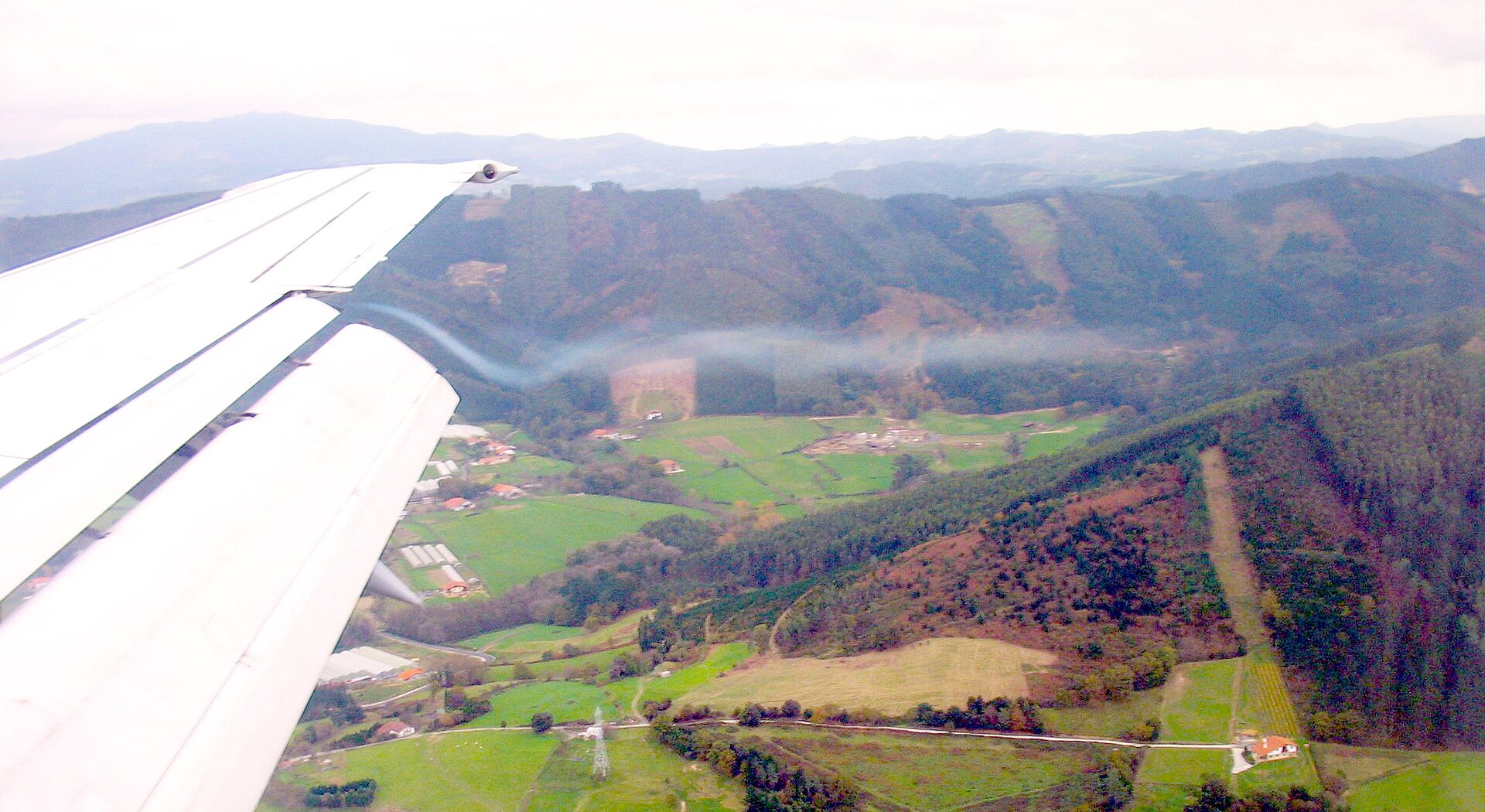
Aviation researchers and the airline industry are turning to advanced data analytics and artificial intelligence to solve a problem that has long plagued pilots and passengers: turbulence. While the phenomenon has been studied for centuries, new technological capabilities are finally allowing experts to model and predict chaotic air movements with greater precision.
The challenge is rooted in the fundamental complexity of fluid dynamics. In the early 1500s, Leonardo da Vinci attempted to understand the swirling, chaotic eddies of water and air, creating hundreds of drawings to map their behavior. Despite centuries of observation and the advent of modern computing, the underlying physics remains elusive.
“It’s the hardest remaining problem in classical physics, and it’s one we need to fly through,” said Michael Murillo, a professor of theoretical and computational physics at Michigan State University. The difficulty lies in the fact that turbulence occurs at many different, small scales simultaneously. Air swirling around an aircraft breaks into eddies, which then break into smaller eddies, creating too many variables for traditional mathematical models to account for in real time.
Using Flight Data to Spot Turbulence
The landscape of turbulence research has shifted dramatically due to the sheer volume of data now available from commercial flights. According to the International Air Transport Association, an airplane’s engine generates 20 terabytes of data in just one hour of commercial flying. This data includes GPS position, altitude, and speed, which are broadcast mid-flight.
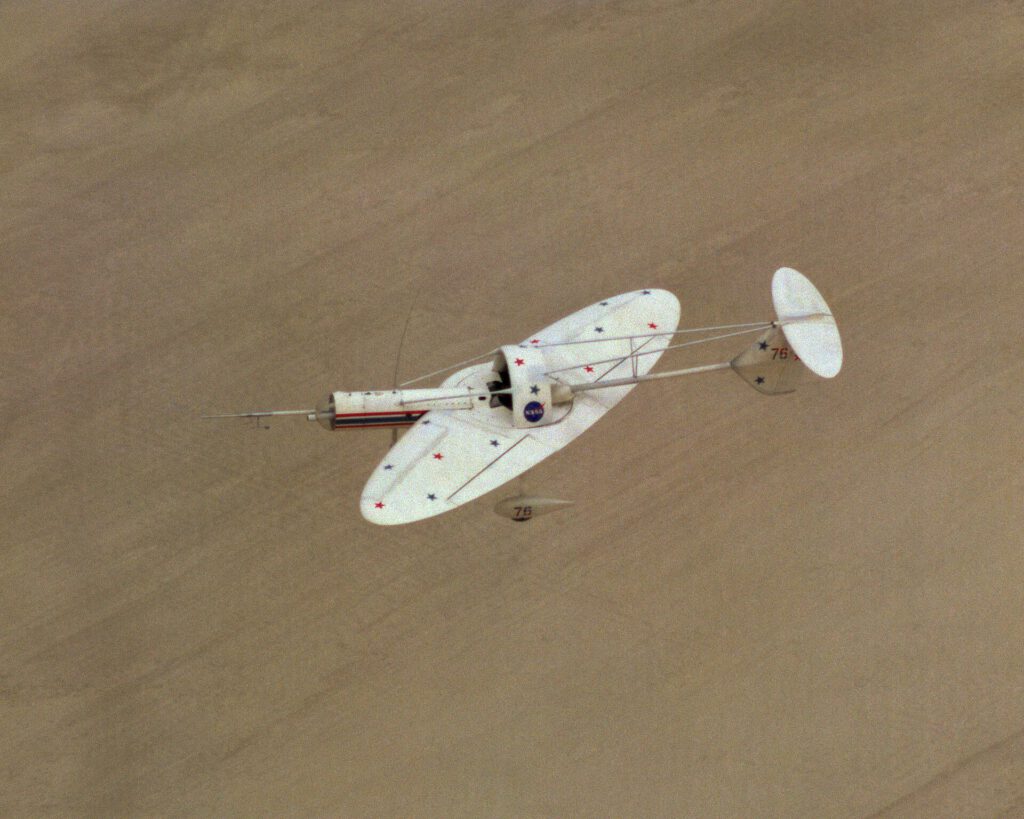
Larry Cornman, a physicist with the National Science Foundation’s National Center for Atmospheric Research, noted that the convergence of increased air traffic and lower communication costs has created a unique opportunity. “The time is now to work on these things because we can do them,” Cornman said.
One significant breakthrough involves using existing aircraft broadcasts to identify unexpected turbulence without requiring new hardware. Cornman and an FAA air traffic controller determined that the federally required position and speed data could be used to spot turbulence patterns. This crowdsourced, public data allows researchers to make predictions about when and where turbulence will occur, moving beyond the historical method of relying on pilot reports from previous flights.
AI and Machine Learning Applications
Machine learning is playing a central role in these new predictive models. The National Science Foundation recently announced a $30 million award to nine universities to establish a new center dedicated to predicting turbulence. The center, called Transformative Explorations in Multi-Physics and Engineering of Scientific Turbulence, or Tempest, will also study turbulence in fusion reactors and space gas clouds.
Murillo, who heads the Tempest center, highlighted the potential of large language models to assist in solving the Navier-Stokes equations, which are the foundation of turbulence modeling. He suggested that AI agents could provide a significant boost to computational efforts that brute force alone cannot achieve. “Turbulence has been a problem only human minds could work on; as of this year, that is no longer true,” Murillo said.
In the commercial aviation sector, companies like SkyPath are already applying these technologies. Based in Tel Aviv, SkyPath uses accelerometers in specialized tablets, often referred to as electronic flight bags, to collect and share crowdsourced data between different aircraft. The company claims that more than 40,000 devices have its software installed, with several major airlines, including American Airlines, utilizing the technology.
SkyPath combines this in-flight data with weather forecasts to predict turbulent conditions 10 to 15 minutes in advance. This allows pilots to warn passengers and crew members before the aircraft encounters choppy air. The company ensures that data is anonymized before sharing to address privacy concerns among competing airlines.
Improving Safety and Comfort
The push for better prediction is driven by safety concerns and the changing climate. FAA data indicates that more than 200 people were seriously injured on US airplanes in turbulence-related incidents between 2009 and 2023. Furthermore, climate change is altering atmospheric conditions around jet streams, creating destabilizing wind shear that leads to sudden clear-air turbulence.
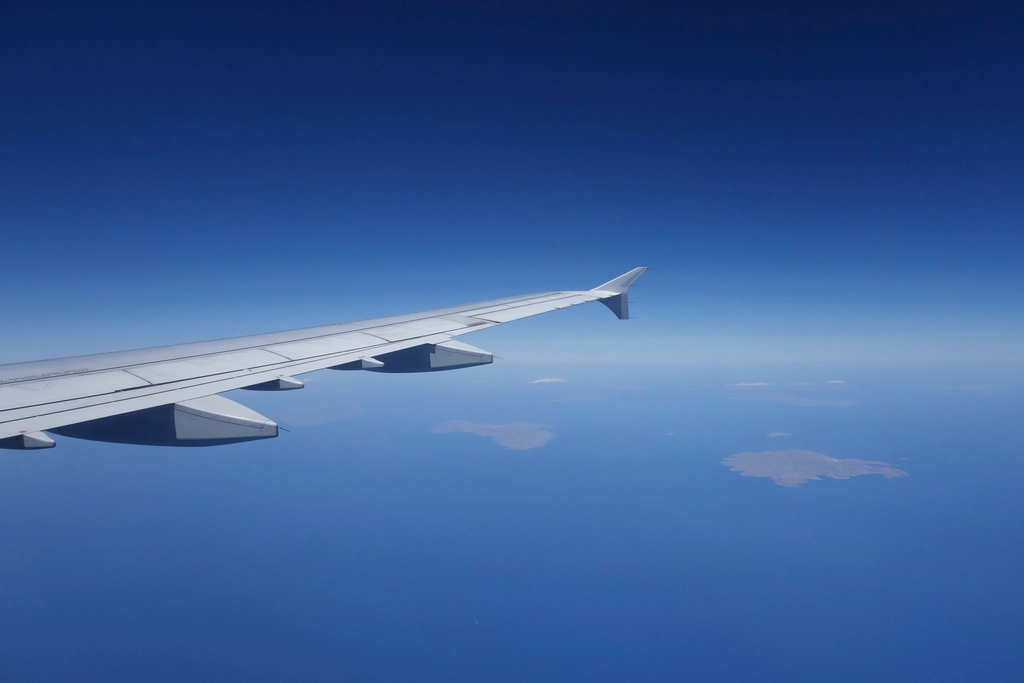
While these new tools offer hope for smoother flights, experts caution that perfect prediction is unlikely in the near future. Cornman emphasized that the problem is too complex to achieve high percentages of predictive accuracy soon. “No matter what people say, we’re not getting close to 100 percent, 90 percent, 80 percent [predictive accuracy] anytime soon,” he said.
Nevertheless, the industry does not need to solve the physics of turbulence entirely to improve the passenger experience. By better understanding the conditions that create it, airlines can avoid sending aircraft into turbulent zones. As these data-driven tools become more widespread, the goal is to provide smoother skies, even if they are not perfectly calm.
Source: Wired
