


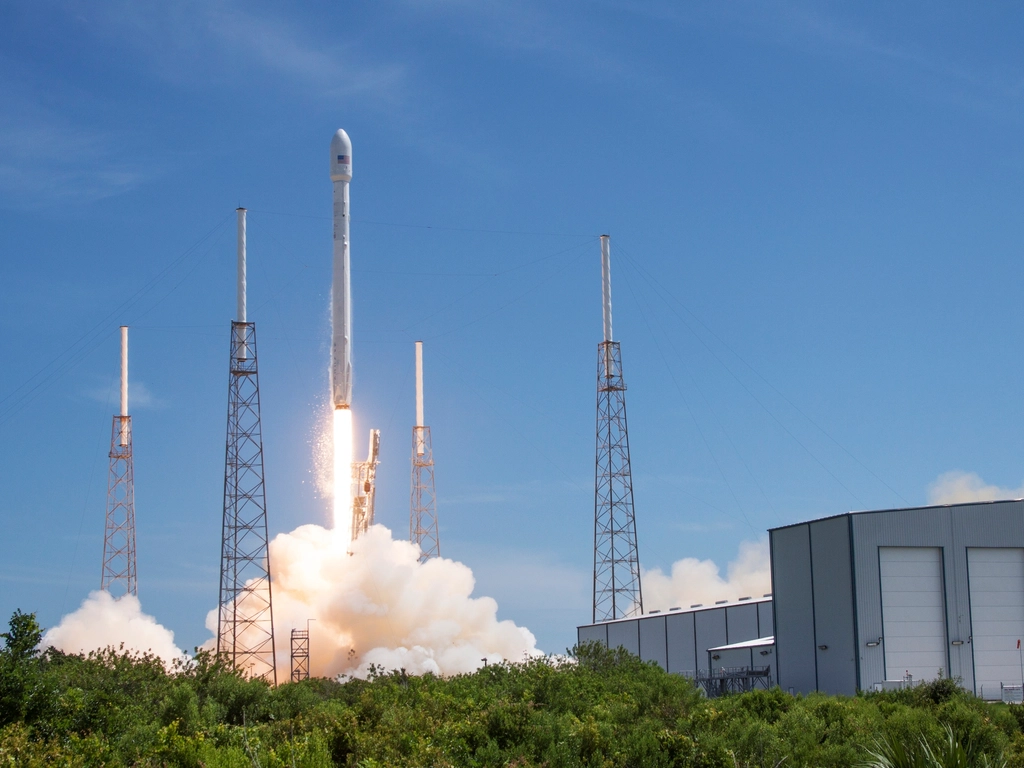
The Federal Communications Commission has granted SpaceX conditional authorization to deploy a constellation of up to 1 million satellites. The approval allows the company to build the Starmind network, which is designed to function as a massive orbital data center infrastructure.
This decision represents a significant expansion of space-based computing capabilities. If fully deployed, the Starmind constellation would increase the total number of satellites in orbit by approximately 50 times. The authorization clears a major regulatory hurdle for the project, although it does not confirm the technical or economic viability of operating data centers in space.
Starmind Deployment Timeline
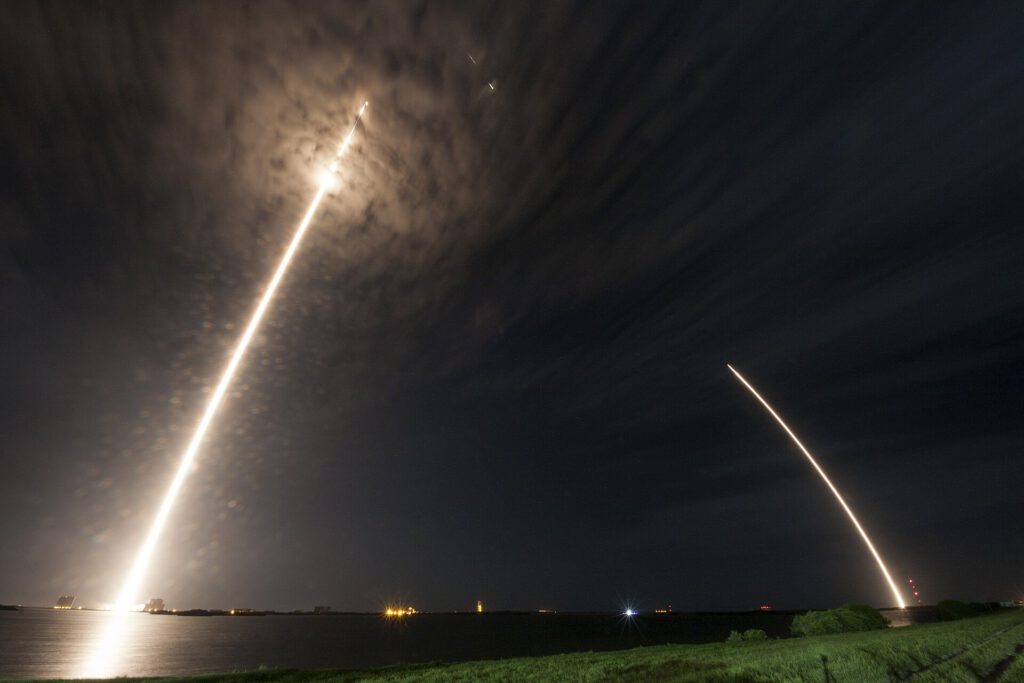
The FCC order provides SpaceX with a 14-year window to complete the most ambitious industrial project ever approved for spaceflight. The company has seven years to launch a single operational Starmind satellite. It must then deploy 100,000 operational satellites by November 2035. The full constellation of 1 million units must be in place by November 2040.
FCC Chairman Brendan Carr described the move as a decisive step to ensure new technology benefits the American economy. He stated that the action opens a bold new frontier for computing infrastructure needed to support national growth. The announcement came just before the US Thanksgiving holiday, following a period of close alignment between SpaceX founder Elon Musk and the current administration.
Orbital Disposal and Environmental Review
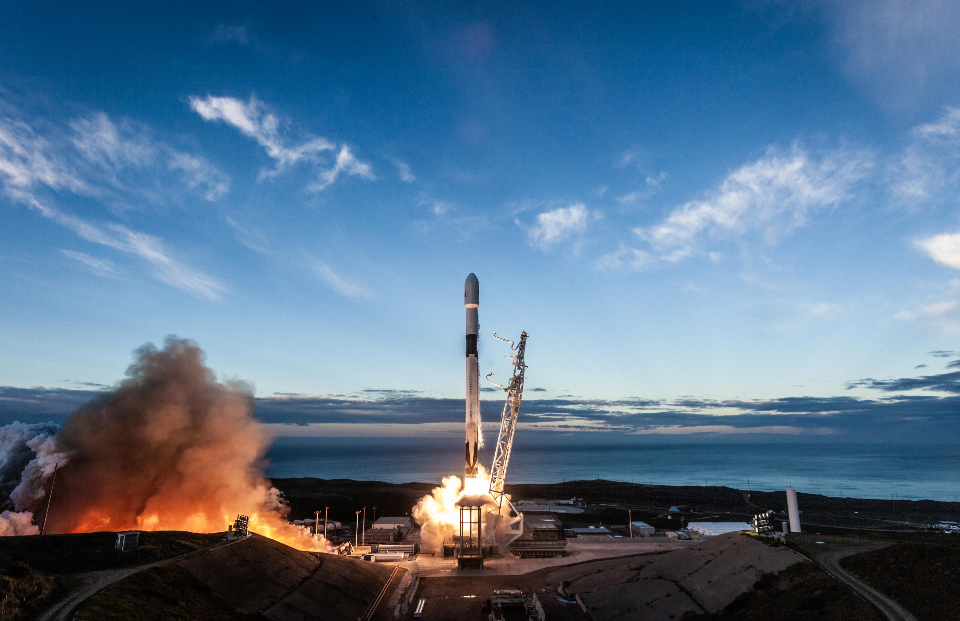
SpaceX proposed operating the satellites in six orbits ranging from 550 km to 1,000 km above Earth. The company requested a waiver to dispose of retired satellites above 600 km into heliocentric orbits or other Earth orbits instead of burning them up in the atmosphere. The FCC denied this waiver, citing insufficient information to verify compliance with safety requirements. SpaceX must obtain a separate waiver before deploying satellites intended for non-atmospheric disposal.
The commission also addressed environmental concerns raised by approximately 1,500 public comments and organizations like the Secure World Foundation. Critics cited risks of orbital debris, collision hazards, and atmospheric pollution from frequent rocket launches. The FCC determined that emissions from rocket launches fall outside its regulatory purview. It also rejected calls for further scrutiny of atmospheric pollution from satellite reentries, labeling such impacts as speculative.
In October, the FCC adopted a policy concluding that space-based activities generally do not constitute federal actions under the National Environmental Policy Act. The agency reasoned that these activities occur beyond US territory. As a result, the commission declined to conduct a comprehensive environmental assessment of the Starmind constellation.
Source: Ars Technica
