



S&P Global Ratings is currently evaluating a potential downgrade of Nvidia’s credit rating, pointing to issues regarding the company’s corporate governance and management structure. The agency highlighted specific concerns about executive oversight and the absence of a clear succession plan for CEO Jensen Huang.
Although Nvidia continues to report strong financial results, the recent events surrounding Huang’s temporary removal and subsequent reinstatement have triggered scrutiny from credit analysts. S&P stated that these developments indicate “weak executive oversight” and a significant “key man risk,” a term used to describe a situation where a company’s future performance is heavily dependent on a single individual.
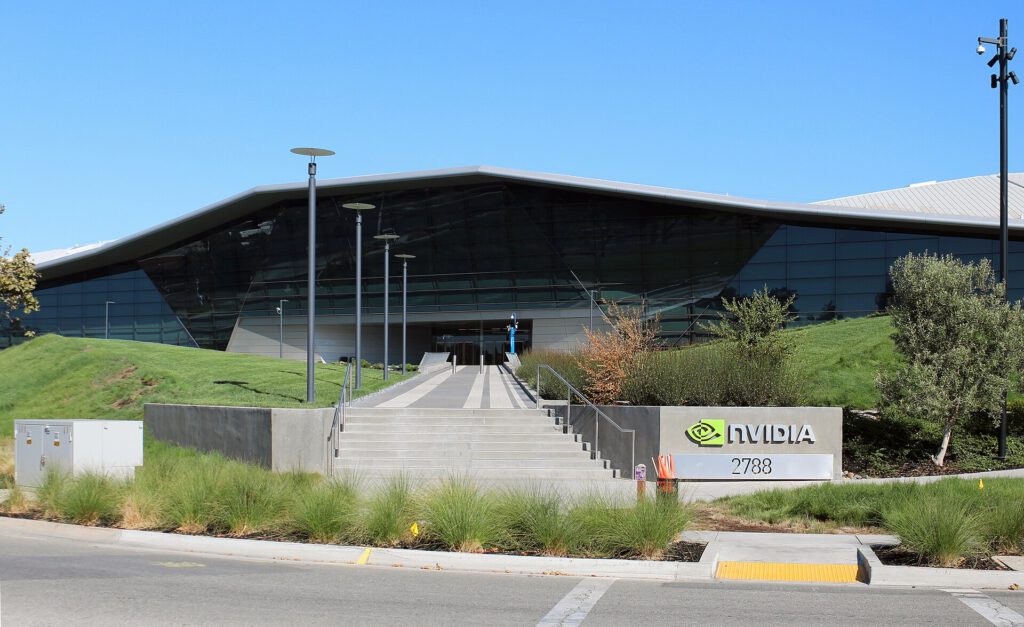
Governance Review and Potential Rating Cut
The credit rating agency expects to complete its assessment within 90 days. If the review concludes with a negative action, Nvidia’s rating could be lowered from AA to AA-. This would represent a drop to the fourth-highest tier on S&P’s scale, though the company would remain firmly in investment-grade territory.
A lower credit rating does not necessarily imply financial distress, but it does carry practical consequences. Borrowing costs typically rise when a company’s creditworthiness is perceived to be weaker. For Nvidia, this could mean higher interest payments on its own debt and increased financial pressure on the broader ecosystem of companies it supports.
Impact on AI Infrastructure Financing
The potential downgrade has immediate implications for Nvidia’s strategic financing efforts. In August, the company announced a plan to secure $500 billion in funding for artificial intelligence infrastructure projects. This massive capital raise involves six major financial institutions, including Goldman Sachs, Apollo Global Management, and Blackstone.

Under the initial terms of these agreements, Nvidia agreed to guarantee 25% of the loans provided to partner companies. These partners often include neocloud providers and other infrastructure firms that do not possess strong credit ratings on their own. Nvidia’s high credit rating allows these partners to access capital at lower rates, with the chipmaker acting as a financial backstop.
However, market dynamics have already shifted before the S&P review concludes. Bloomberg reported that lenders had begun demanding higher guarantee percentages from Nvidia even prior to the recent leadership turmoil. A formal credit downgrade would likely accelerate this trend, prompting lenders to require even larger guarantees or additional collateral from the AI infrastructure companies.
The situation underscores the delicate balance Nvidia maintains between its operational success and its financial role in the AI supply chain. While the company remains a dominant force in chip manufacturing, its ability to facilitate large-scale infrastructure projects relies heavily on the stability of its own credit profile. Any change to that profile could reshape how financial institutions structure deals with Nvidia and its partners in the coming months.
Source: TechCrunch
