


Scientists at the University of Basel and University Hospital Basel have uncovered a complex metabolic mechanism that challenges current assumptions about how the body burns calories. Their research indicates that stimulating the beta2 adrenergic receptor with the drug fenoterol increases energy expenditure in humans, but it does not activate brown adipose tissue as previously expected. These findings, published in Cell Metabolism, suggest that developing drugs to target brown fat for obesity treatment is more difficult than anticipated.
Unexpected Results in Calorie Burning
Brown fat is a specialized tissue that burns energy to generate heat, a process that naturally occurs when the body is exposed to cold. Unlike white fat, which stores energy, brown fat helps maintain body temperature and is associated with better metabolic health and lower body weight. Researchers have long investigated whether medications could mimic the effects of cold exposure to stimulate this tissue and increase calorie burning in people with obesity.
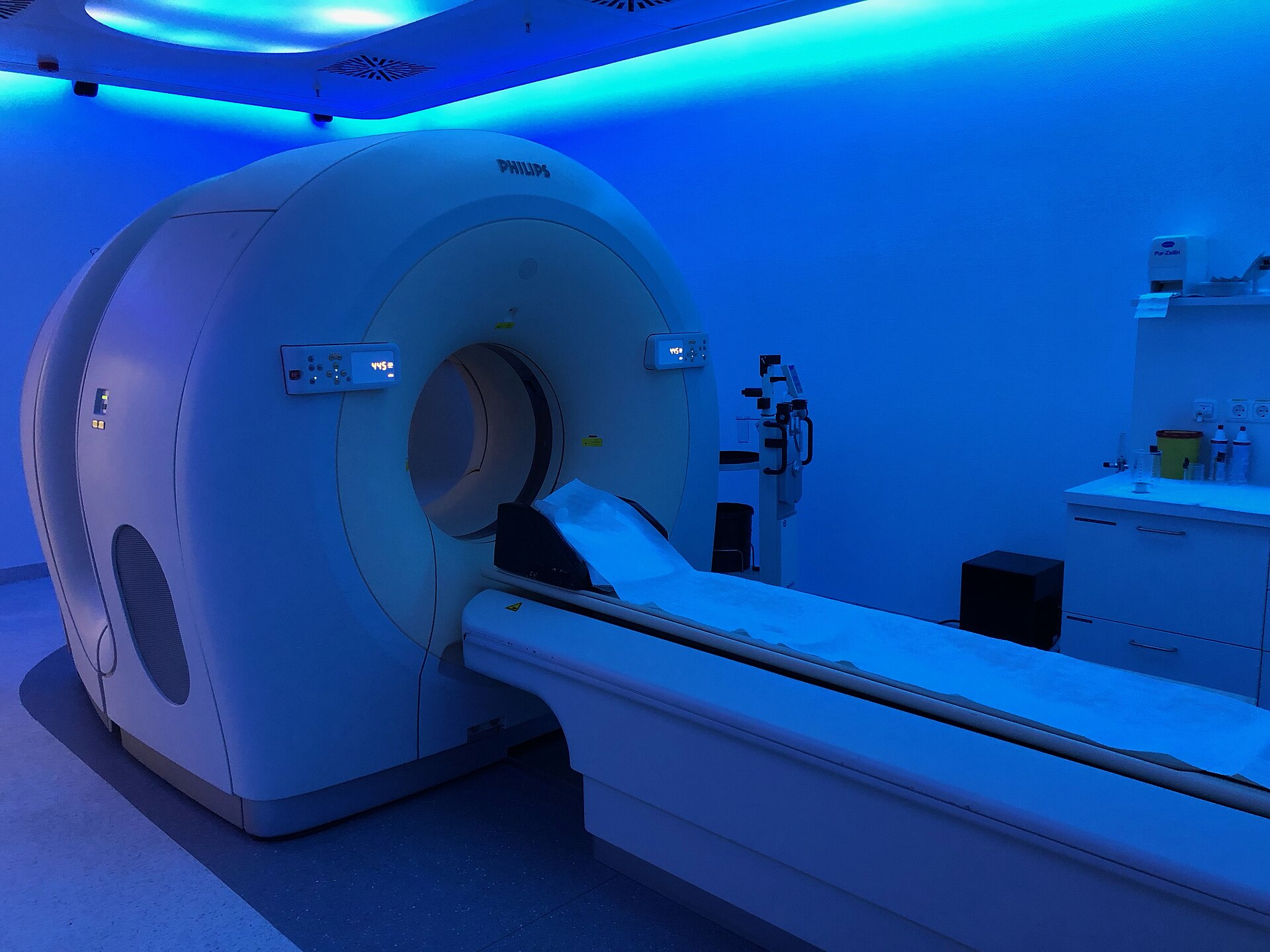
The study led by Professor Matthias Betz involved 11 healthy volunteers who underwent two different interventions. The team compared the metabolic effects of mild cold exposure against the administration of fenoterol, a medication known to stimulate beta2 adrenergic receptors. The researchers used PET/CT scans to monitor glucose uptake, which serves as a marker for brown fat activity, while also measuring overall energy expenditure.

Both interventions resulted in increased energy burning. However, the imaging data revealed a significant divergence. Cold exposure produced clear evidence of brown fat activation, with the tissue absorbing substantially more glucose. In contrast, fenoterol administration did not show comparable brown fat activation despite the rise in overall energy use.
“We were surprised that energy expenditure increased strongly with fenoterol even though we could not detect a comparable activation of brown fat,” Betz stated. “Our study shows that an increase in energy expenditure does not automatically mean that brown fat has been activated.”
Complex Mechanisms Behind Metabolic Adaptation
The source of the additional energy consumption remains unclear. The researchers suspect that fenoterol may be increasing energy use in other tissues, such as skeletal muscle or white fat, rather than brown fat. This suggests that the biological signals controlling brown fat in humans are more intricate than a single receptor pathway.
Analysis of human tissue samples indicates that fully activating brown fat likely requires the combined action of multiple receptors or biological signals. Stimulating just one receptor, such as the beta2 adrenergic receptor, appears insufficient to trigger the full metabolic response seen with cold exposure.

These findings have important implications for obesity treatment. Current weight loss medications primarily work by reducing appetite. However, as individuals lose weight, their bodies often compensate by lowering their metabolic rate, which can hinder further weight loss. A treatment that simultaneously reduces appetite and increases calorie burning could help counteract this metabolic adaptation.
“Ideally, we could combine a reduction in appetite with an increase in energy expenditure,” Betz noted. “But first we need a better understanding of how brown adipose tissue is regulated.” The study highlights the need for more precise targets to effectively harness brown fat for therapeutic purposes.
Source: ScienceDaily
