


Sir Gregor Smith has resigned as Scotland’s chief medical officer, marking the end of his tenure amid a severe political and public health crisis. Smith stated that he made a “personal decision” to step down because he no longer possessed the “good mental health” required to perform the duties of the role.
The resignation concludes a period of intense pressure on the health service’s top doctor. Smith had previously served as the interim chief medical officer after his predecessor resigned for breaching pandemic restrictions. He now leaves office as the focus of a much larger controversy involving the Scottish government and NHS Grampian.
Unpublished Report on Avoidable Deaths
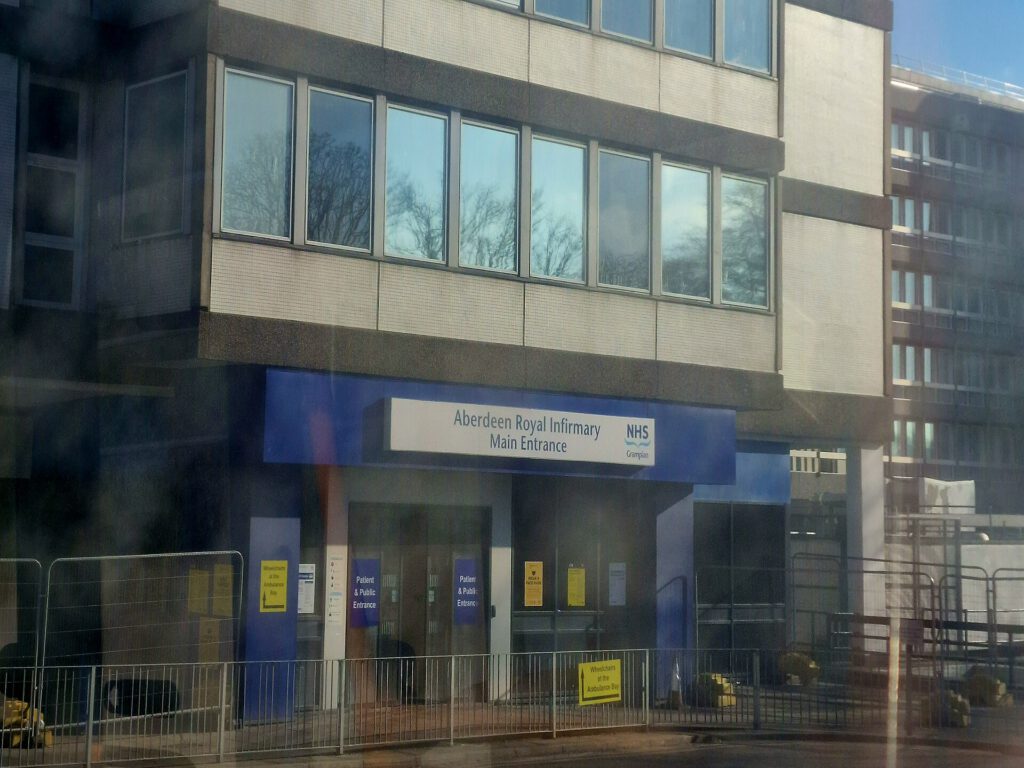
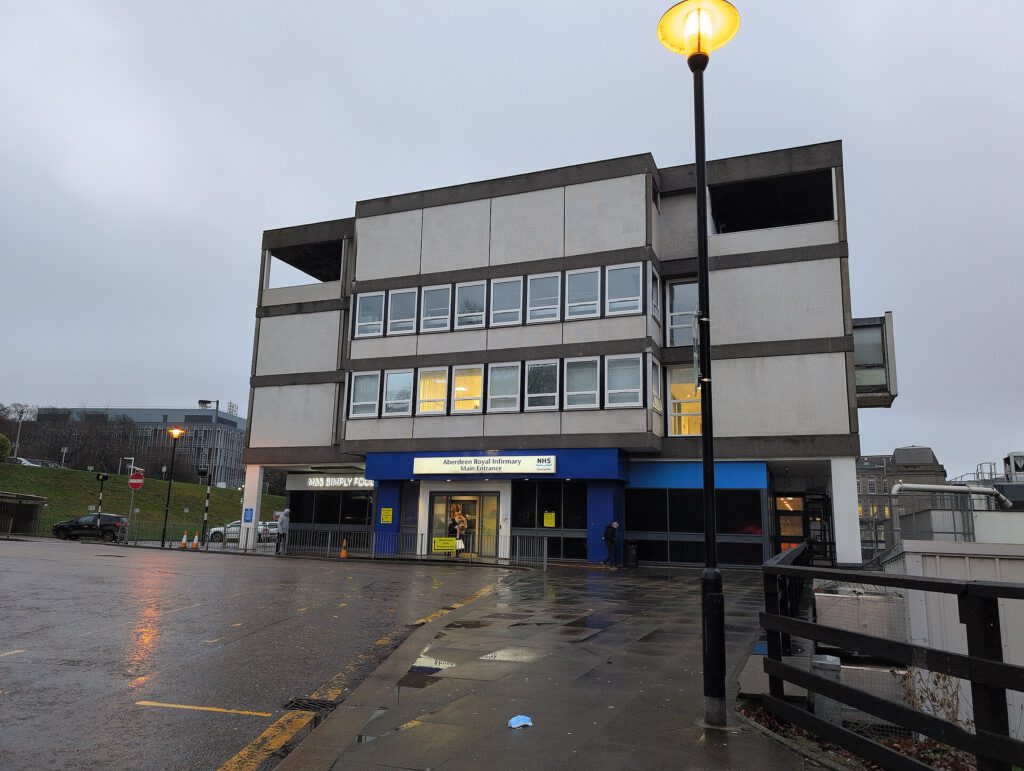
The core of the controversy centers on a 2022 internal review into liver and pancreas surgery at Aberdeen Royal Infirmary. The report identified 19 potentially avoidable deaths resulting from surgical errors. Despite these findings, the Scottish government and NHS Grampian never published the document.
Smith told a Holyrood committee that his involvement in the matter was “unusual” and largely accidental. He was contacted by a senior official at NHS Grampian who proposed an action plan that included temporarily suspending the specific type of surgery in question. Smith considered this response “appropriate” and organized a wider meeting to discuss the issue. He also ensured that the then health secretary, Humza Yousaf, was briefed on the situation.
According to Smith, he remained informed until surgery was restarted in May 2023, following advice from an external expert. He stated that he was “not directly involved in any further work” after that point. However, this disengagement has drawn criticism. The type of surgery was suspended on two additional occasions after Smith’s initial involvement, and cases are now being referred to NHS Lothian.
While the chief medical officer is not strictly responsible for supervising individual surgical departments, critics argue that closer oversight could have prevented the current crisis. The government has now ordered an independent review led by a senior legal expert to determine who knew what, when they knew it, and why no action was taken.
Whistleblower and Political Fallout
Concerns about surgical outcomes at NHS Grampian were brought to light by Dr. Mohammed Habib, a surgeon within the team. Habib went public last week, raising alarms about the handling of the 2022 report. He is currently worried about outcomes in 62 liver and pancreatic cases, where he believes there may have been avoidable deaths or other serious harms.
Ministers have expressed dissatisfaction with the explanations provided by the health board. They are not convinced that patient confidentiality prevented the release of the report’s key findings. The upcoming independent review will question officials at both NHS Grampian and the Scottish government, as well as the role of ministers.
Political opposition parties are calling for the review to be commissioned by Holyrood rather than the Scottish government. Labour and the Conservatives argue that the government should not “mark its own homework.” Both parties also want the terms of the review expanded to include other distressing stories emerging from the health board.
John Swinney, the First Minister, has insisted that Smith was not forced out. A government source suggested that Smith’s decision to resign was the right one, noting that it was better for him to leave voluntarily than to be asked to go. The full debate regarding the form of the inquiry will take place at Holyrood on Tuesday.
It remains unclear how long the review process will take or if further investigations will be required. The situation continues to evolve, with questions remaining about whether other officials may leave their positions over the handling of the scandal.
Source: BBC
