


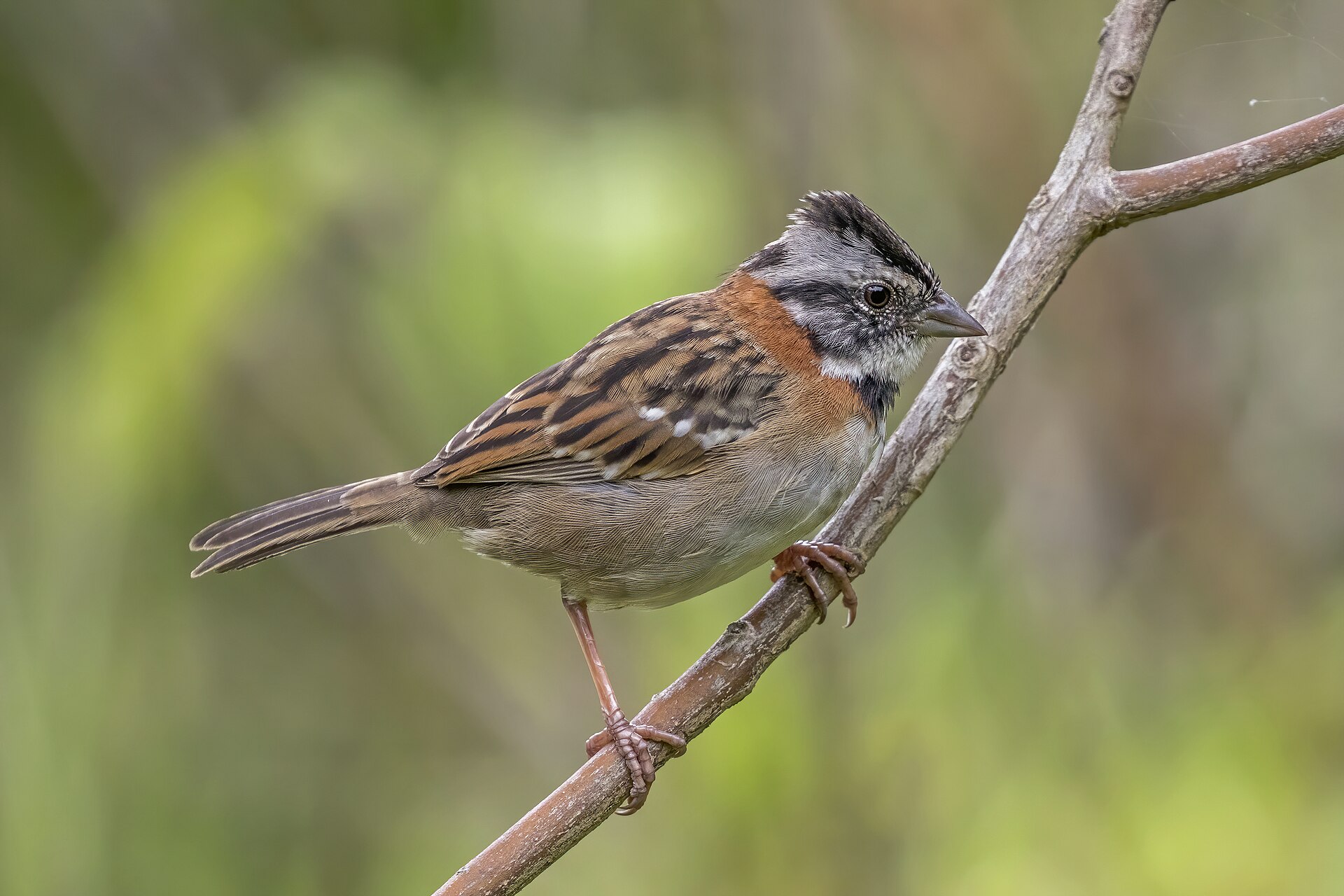
Scientists in Buenos Aires have successfully used artificial intelligence to recreate a lost birdsong, offering a new tool for conservation efforts. The project focused on the rufous-collared sparrow, a species that relies heavily on specific local dialects to attract mates and defend territory. By generating synthetic audio based on historical data, researchers demonstrated that birds can learn and imitate computer-generated songs, potentially helping endangered populations recover.
Recreating a 1960s Dialect
The study centered on a specific song arrangement that had disappeared from a Buenos Aires park since the 1960s. Researchers created a computer-generated rendition of this tune to test if local birds would consider it realistic enough to imitate. Within three months, a resident sparrow began copying parts of the synthetic track. The song was reconstructed using hand-drawn annotations from the 1960s, which detailed the structure of the sparrow’s trill and theme.
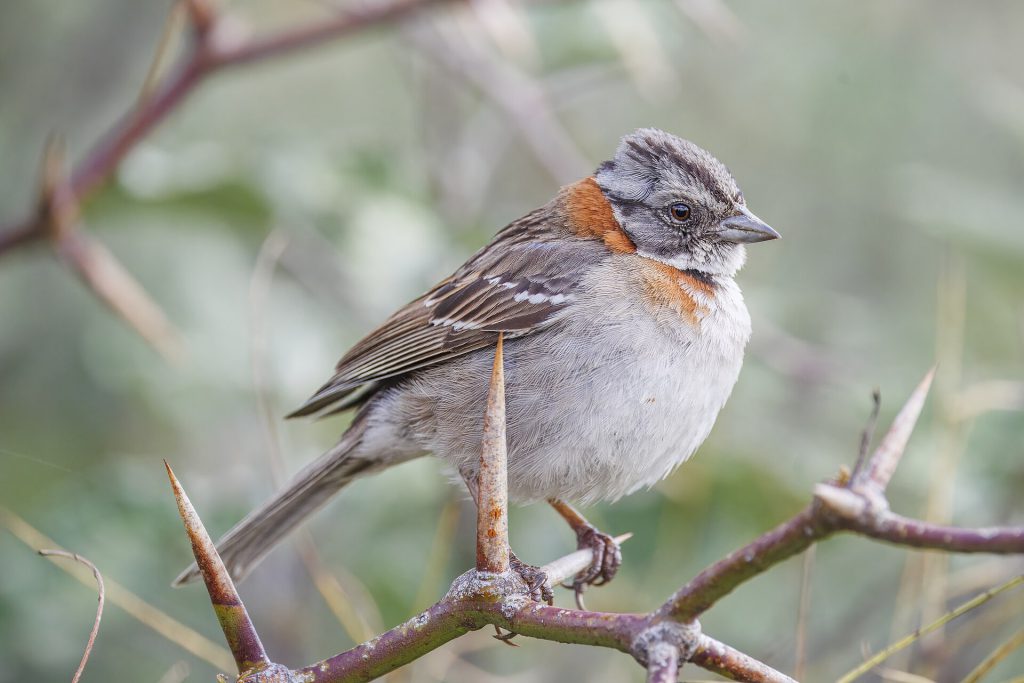
Gabriel B Mindlin, a physics professor at the University of Buenos Aires and co-author of the study, emphasized that learned behavior is as critical as genetic material for a species’ survival. He noted that while the rufous-collared sparrow is not globally vulnerable, the technique could be applied to other species with dwindling numbers. The success in the park suggests that synthetic recordings can fill the gap when natural tutors are unavailable.
The Role of Dialects in Survival
Birdsong is not just a random noise but a complex cultural trait that varies by region. Male birds that sing well, with complex and consistent songs, are more likely to attract mates. However, when populations decline, fledglings struggle to learn the correct notes. They may sing abnormally or mimic other species, reducing their chances of breeding. Rebecca Lewis, a conservation scientist at Chester Zoo, explained that singing complex songs requires significant energy, meaning only birds in good physical condition can perform them effectively.
Dialect mismatches can also hinder conservation efforts. Past translocation projects have shown that birds are slower to pair with others if their songs do not match the local dialect. Familiarizing birds with the songs of their destination can mitigate this issue. Mindlin highlighted that a growing volume of birdsong is being recorded by hobbyists and scientists, creating a database that could be invaluable for future conservation work.
Tutoring and Future Applications
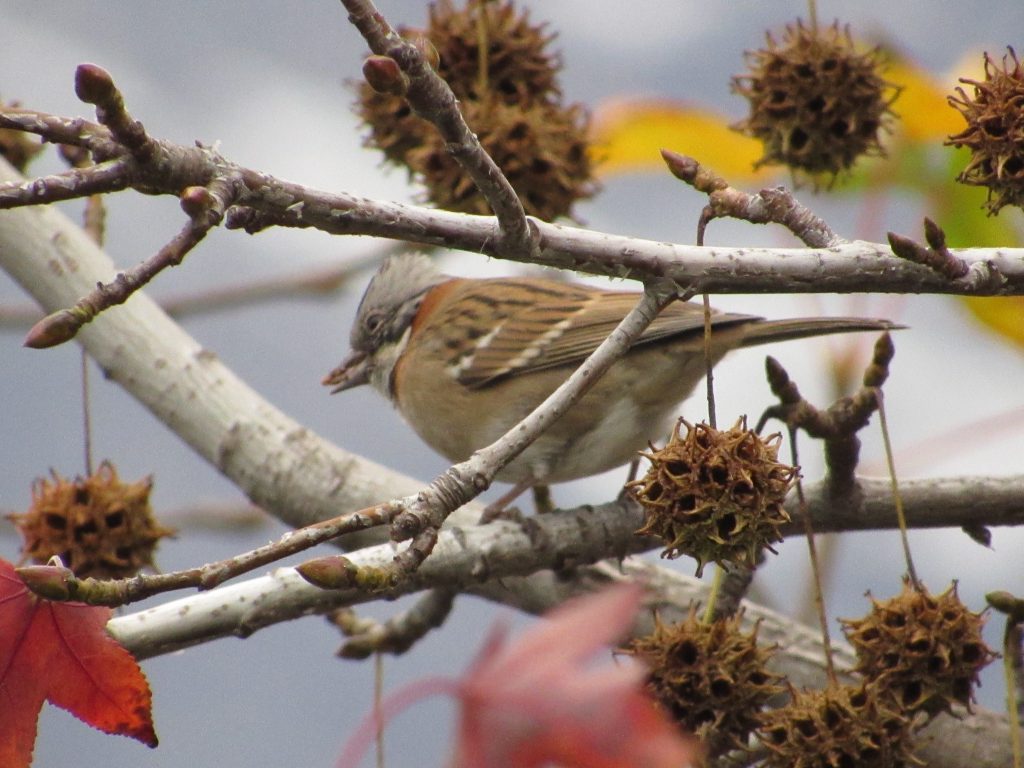
While AI offers a promising solution, live interaction remains important for some species. Sarah Collins, an associate professor at the University of Plymouth, studied cirl buntings that were translocated from Devon to Cornwall. Initially, the birds produced abnormal songs, but their vocalizations returned to normal over eight years. Collins noted that some chicks benefited from recordings, but others required more direct interaction.
Similar results were seen in Australia with regent honeyeaters, a critically endangered species. Zoo-bred birds learned wild songs after interacting with just two wild-born male tutors. These tutors then taught the next generation. Collins suggested that bringing wild birds into captivity to teach hand-reared chicks can cause distress and spread disease. AI could eventually provide a safer alternative for live tutoring, allowing endangered species to learn vital songs without risking the health of existing populations.
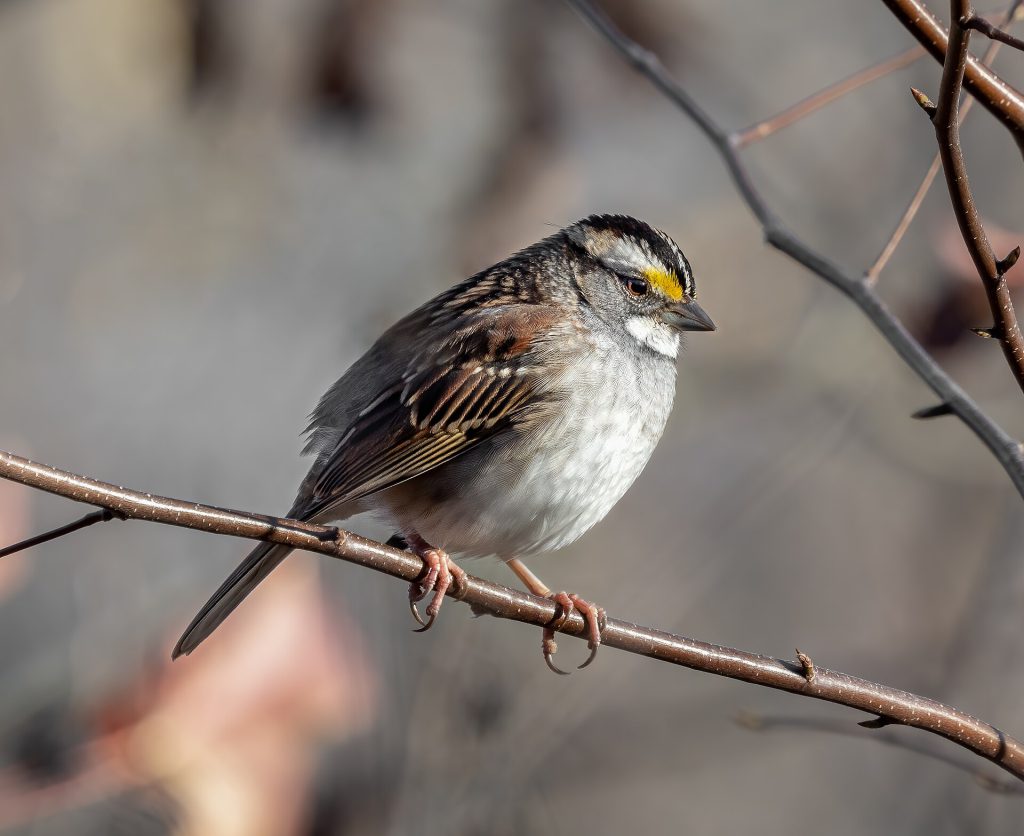
The restored song in Buenos Aires is still sung by a few individuals near where it was inserted. While the long-term persistence of the song remains to be seen, the project marks a significant step in using technology to preserve avian culture. Researchers continue to monitor the area to see if the synthetic song becomes a permanent part of the local dialect.
Source: The Guardian
