


AMD has released detailed technical specifications for its next-generation Zen 6 architecture, primarily through the unveiling of the new EPYC “Venice” server processors. While these chips are designed for data centers, the underlying hardware changes point to significant performance leaps for future consumer Ryzen desktop CPUs.
Higher Core Density on Single Chiplets
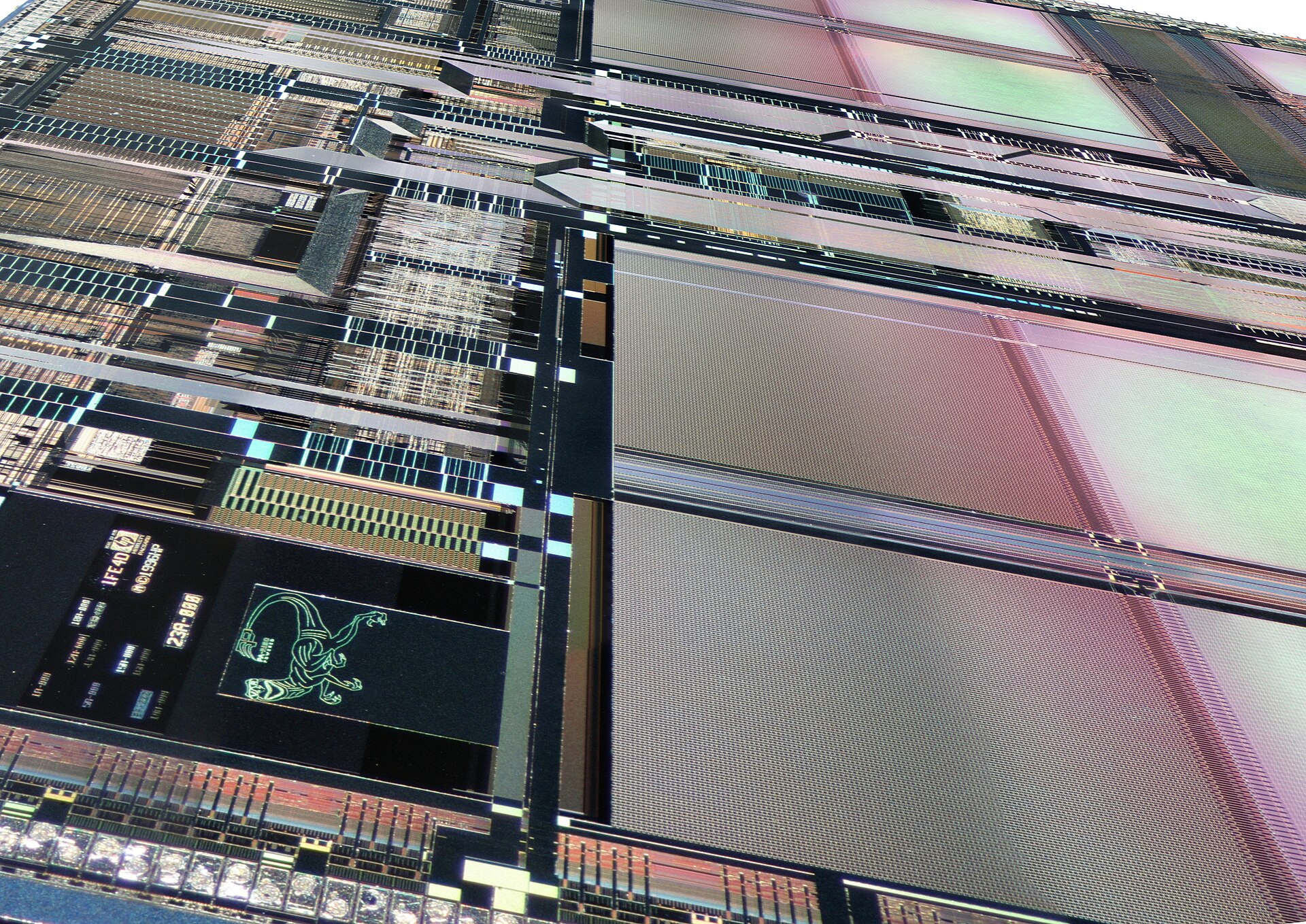
The most notable shift in the Zen 6 design is the increased core density per chiplet. Current Zen 5 performance cores are limited to eight cores per core complex die (CCD). The new Zen 6 CCDs, built on TSMC’s advanced N2P process node, pack 12 full-fat performance cores onto a single chiplet. Each core retains 4 MB of L3 cache, bringing the total L3 cache per CCD to 48 MB. This is a substantial increase from the 32 MB found in an 8-core Zen 5 chip.
This density improvement addresses a common bottleneck in multi-threaded workloads. Previously, CPUs with more than eight cores had to distribute them across two separate CCDs, which introduced latency as the chiplets communicated. A 12-core Zen 6 processor can now house all its performance cores on one chiplet, eliminating that inter-chiplet latency penalty.
AMD also expanded its efficiency-focused “c” cores. The Zen 6c complex can now hold 32 cores, double the capacity of the Zen 5c equivalent. These cores, which are scaled-down versions of performance cores, also see their L3 cache doubled from 2 MB to 4 MB per core. A fully loaded 32-core Zen 6c complex will feature 128 MB of L3 cache, four times the capacity of its predecessor.
Cache Enhancements and 3D V-Cache Integration
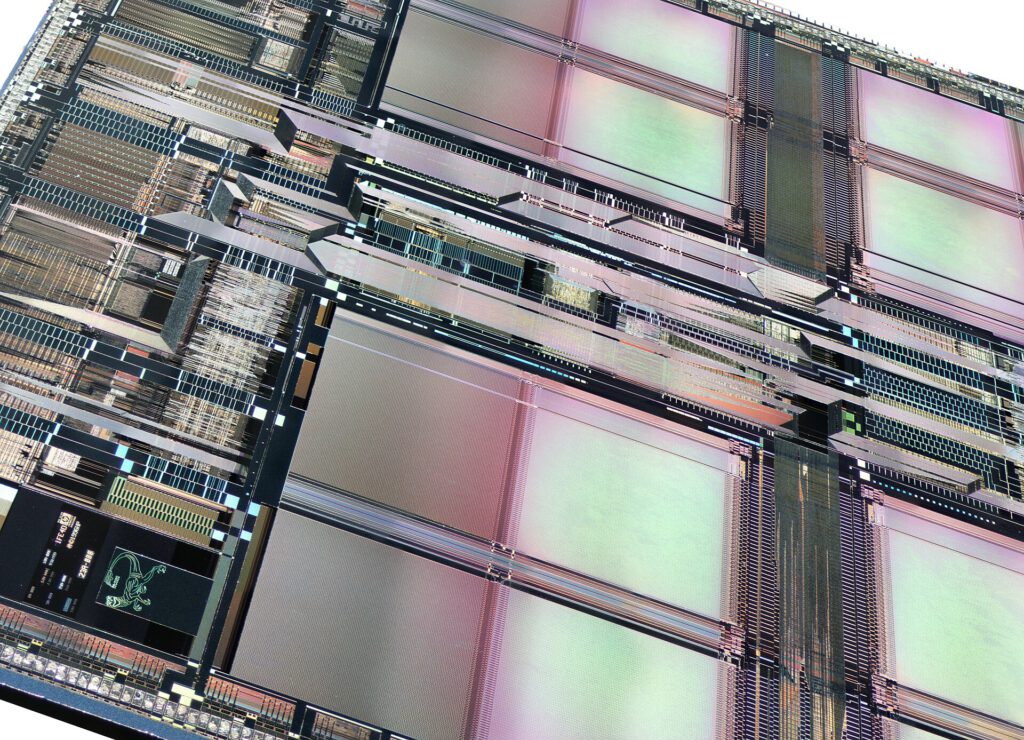
Perhaps the most exciting prospect for gamers is the integration of AMD’s 3D V-Cache technology into the Zen 6 architecture. One of the new Venice server chips, the Venice-X 9006X SP7, demonstrates this capability. This variant features up to 96 cores and a massive 1152 MB of L3 cache. Breakdown of the cache structure shows 144 MB of L3 cache per 12-core CCD, consisting of 48 MB of traditional cache and 96 MB of stacked 3D V-Cache.
To put this in perspective, the current Ryzen 7 9800X3D, widely regarded as a top gaming processor, contains 96 MB of total L3 cache, with 64 MB provided by 3D V-Cache. A future Zen 6 gaming chip with 144 MB of L3 cache on a single CCD would offer significantly more memory for game data, potentially leading to higher frame rates and smoother performance in cache-sensitive titles.
AMD also improved the branch prediction logic in Zen 6. The architecture features optimized prediction tables, larger prediction queues, and an expanded return address stack with 64 entries, up from 52. The processor can now handle two branch predictions per cycle. These changes allow the CPU to anticipate instructions more accurately and recover faster from errors. AMD claims these architectural tweaks result in up to a 27% increase in instructions per clock (IPC) performance compared to Zen 5 in specific server workloads.

Release Timeline and Market Context
The EPYC Venice server chips are beginning to ship now, but consumer Ryzen desktop processors based on Zen 6 are not expected until later. Industry speculation points to a release in the first half of 2027. This timeline allows AMD to refine the new N2P manufacturing process and address any early production issues.
Intel is also preparing its next generation of client processors. Rumors suggest Intel’s Nova Lake chips, built on the 18A process, will be revealed at CES 2027 in January. This sets the stage for a direct competition between AMD and Intel in the high-end desktop market next year.
While exact clock speeds for consumer Zen 6 chips remain unconfirmed, server variants reach 5.3 GHz for performance cores and 4.1 GHz for efficiency cores. Rumors suggest desktop versions could exceed 6 GHz. Until official pricing and benchmarks are available, the full impact of these architectural changes on gaming performance remains to be seen.
Source: PC Gamer
