


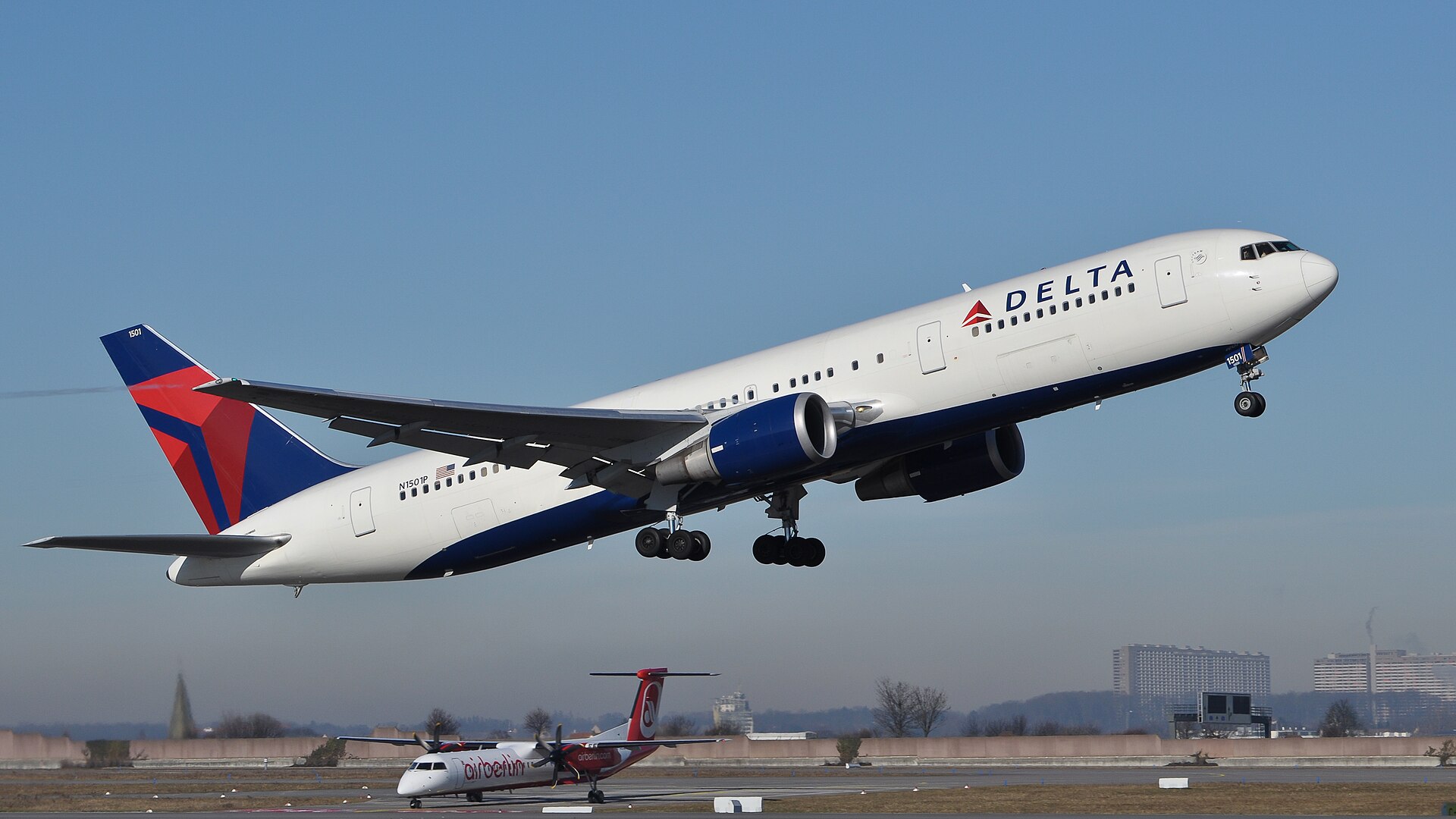
Delta Air Lines flights bound for Hartsfield-Jackson Atlanta International Airport (ATL) were held at departure points on Sunday morning following a system failure. The outage impacted the carrier’s ability to perform automated weight-and-balance calculations, prompting the Federal Aviation Administration (FAA) to issue a ground stop at Delta’s request. The disruption affected hundreds of flights and created significant delays across the network.
The FAA’s National Airspace System status page confirmed the ground stop was imposed on Delta flights arriving in Atlanta. The restriction was initially scheduled to last until at least 9:00 AM ET. However, the agency downgraded the measure to a ground delay program shortly after 8:40 AM. This change allowed flights to resume operations under specific restrictions, though delays were expected to persist as the airline worked through its backlog.
Impact on Atlanta Hub and Regional Airports
FAA data indicated that inbound delays averaged 57 minutes during the disruption. Flight tracking information showed that more than 400 flights were delayed at ATL, representing nearly 20% of all inbound and outbound traffic at the world’s busiest airport. The issue rippled out to other major hubs, with passengers reporting significant hold-ups in Newark, New York LaGuardia, Washington Reagan National, Boston, Baltimore, Miami, and Minneapolis.
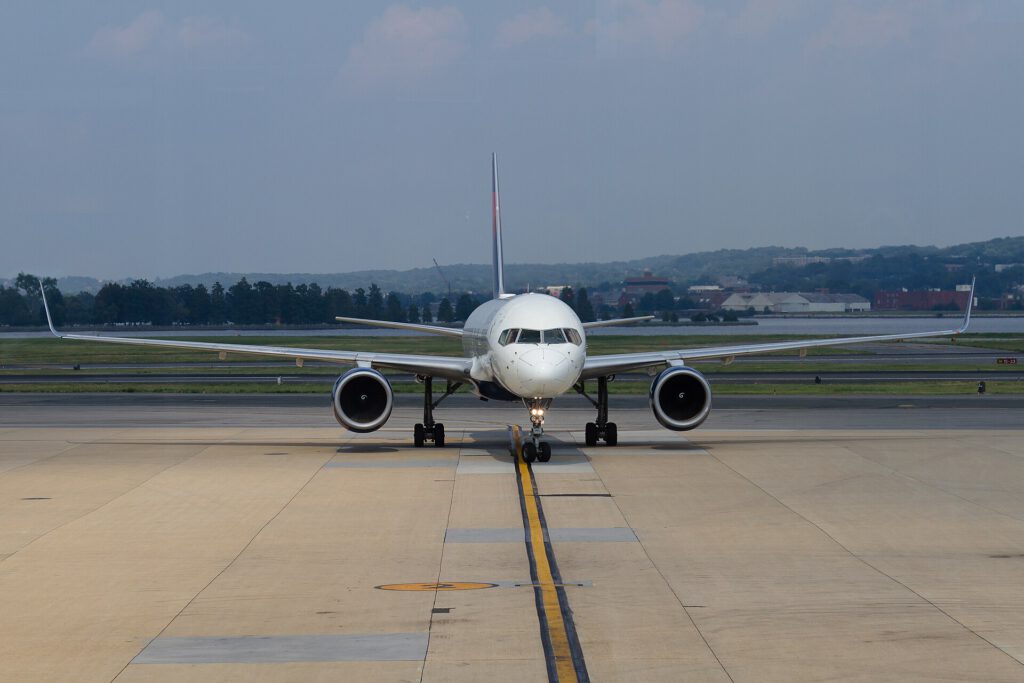
The technical failure specifically affected Delta’s Automated Load Instruction System (ALIS). This system manages the loading data required for aircraft weight-and-balance calculations. At the time of reporting, Delta had not disclosed the root cause of the outage or confirmed if any flights were canceled. The airline provided a statement confirming that teams were using manual workarounds to ensure safe departures while engineers worked to restore the automated system.
Weight-and-balance calculations are a critical safety component of airline operations. Every flight requires a final load sheet before departure to verify total weight and center of gravity after passengers, baggage, cargo, and fuel are loaded. These figures determine takeoff performance metrics, including required speeds and engine thrust. When the automated system fails, staff must complete these calculations manually, adding time to the departure process for every aircraft.
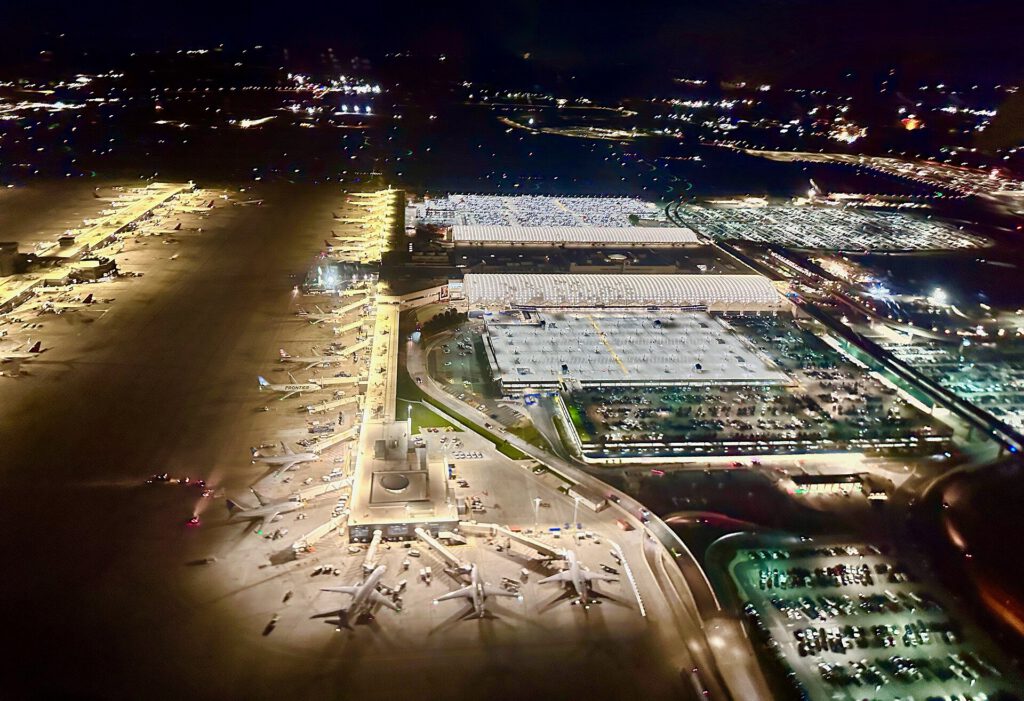
Operational Challenges at a Major Hub
At a large hub like Atlanta, slower departures mean aircraft remain at gates longer. This reduces the number of available spaces for arriving flights. Holding inbound Delta flights at their origin airports helps prevent congestion on the ground by ensuring aircraft do not arrive in Atlanta without an available gate. Delta stated it was coordinating with air traffic control to protect airport gates and tarmac areas from congestion.
This incident follows a similar outage experienced by United Airlines just last week. That event also involved a weight-and-balance system failure and forced departures to be held across the carrier’s network for more than 90 minutes. Both events highlight the heavy reliance airlines place on automated systems to maintain schedule integrity.
The disruption occurred during the opening weekend of the travel rush before Thanksgiving, which falls on Thursday, November 26. US carriers are projected to transport nearly 29 million passengers between November 20 and November 30. This represents an average of 2.7 million passengers per day. Airlines are increasing capacity year-over-year, offering 38,000 more daily seats than during the same period in 2025.
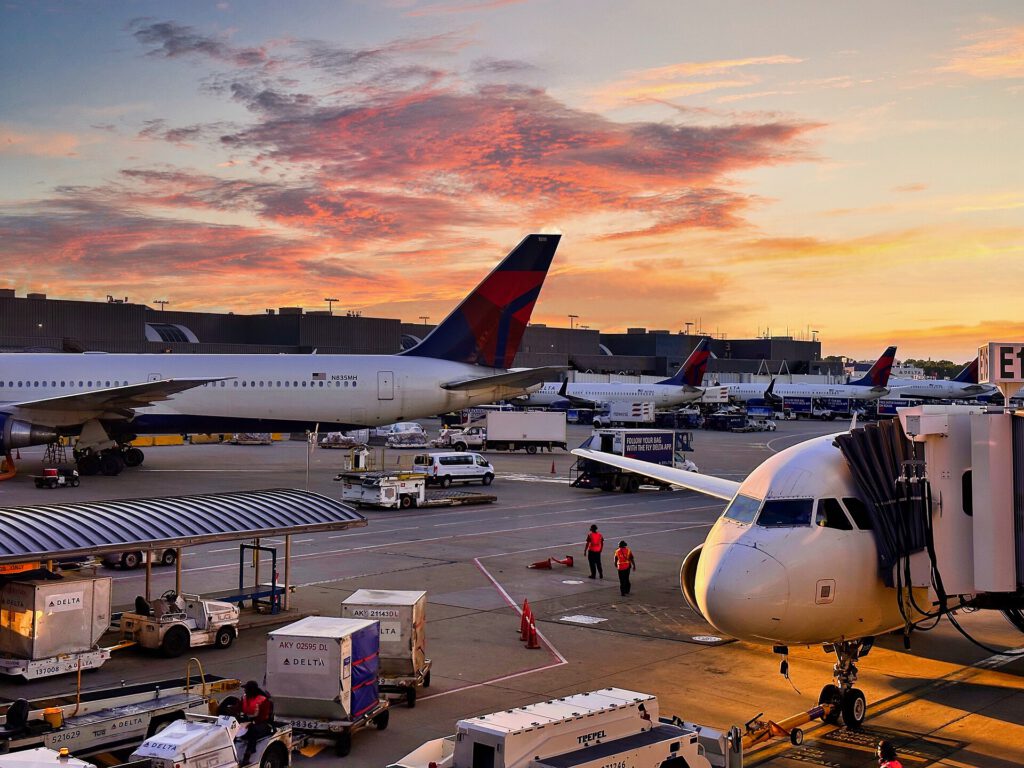
Delta had previously struggled to recover from a nationwide ground stop on November 13. That four-hour stoppage followed a telecommunications failure within the FAA’s system and displaced aircraft and crews across the network. While current figures show improvement compared to the weekend, some delays and cancellations remain due to the displacement of resources. The airline thanked customers for their patience and staff for their professionalism as operations normalized.
Source: Simple Flying
