


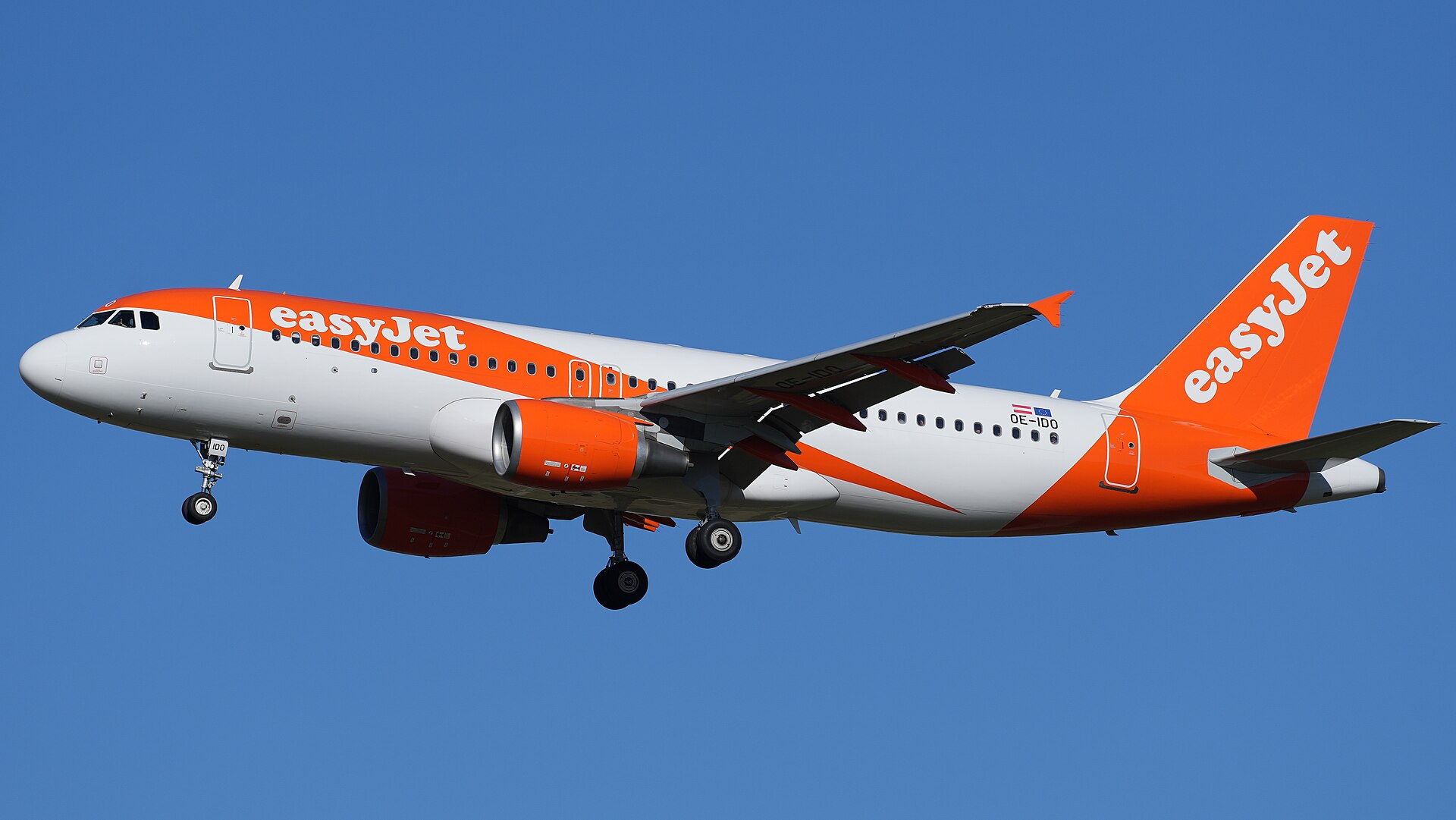
Shareholders at British budget airline easyJet have overwhelmingly approved a deal worth £5.7 billion ($7.57 billion) to take the carrier private. The transaction, led by the US private equity firm Apollo Funds, received 97.07% support at a general meeting held earlier today.
The approval marks the end of a 26-year era for the airline on the London stock market. The deal values each share at 715p ($9.50). Apollo Funds will hold up to 49.9% of the company, while rollover shareholders who chose equity over cash will hold between 45.1% and 49.9%. The EU Trust is set to hold up to 5%.
Ownership Structure and Leadership
Sir Stelios Haji-Ioannou, who founded the airline in 1995, backed the acquisition. He and his family owned 15% of the carrier prior to the vote. The acquisition is being executed through Eagle Bidco Ltd, a company indirectly owned by Apollo Funds and managed by affiliates of Apollo Capital Management, L.P.
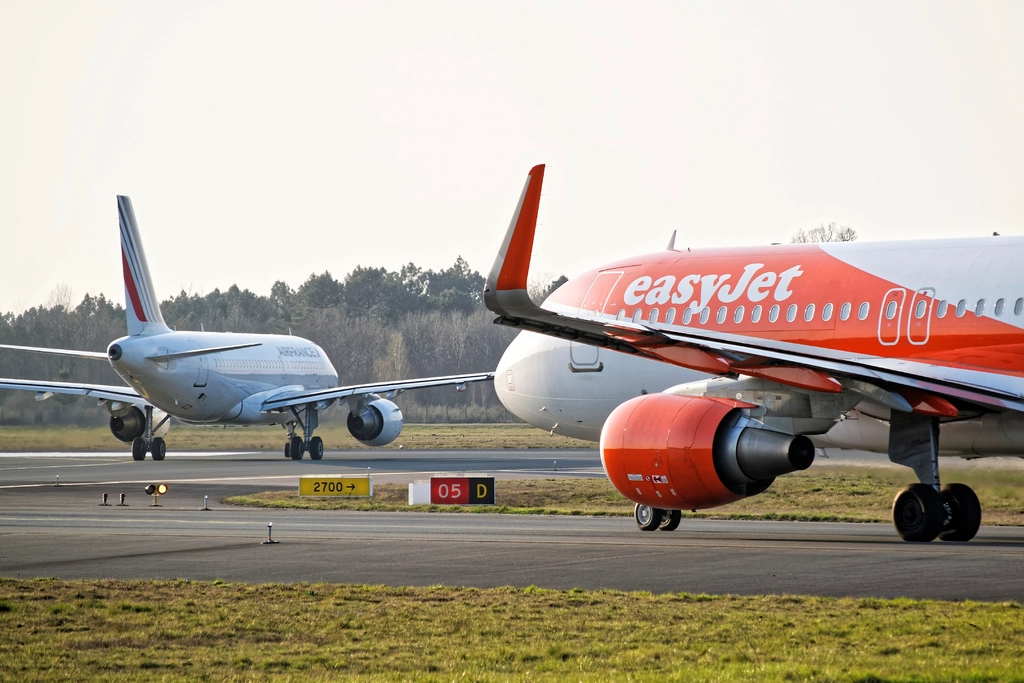
Apollo began operations in 1990 and is currently headquartered in New York City. The firm ranked 29th in Private Equity International’s 2024 list of the world’s largest private equity firms. In 2025, Apollo managed $840 billion in assets and reported a net income of $3.5 billion, with $99 billion invested specifically in private equity. The scale of Apollo’s balance sheet suggests the purchase does not strain its financial resources.
The airline had been exploring strategic options amid internal restructuring. Reports indicated the carrier was consulting on proposals to cut approximately 50 roles from its 2,300-person head office team. easyJet had previously held discussions with Castlelake, a US investment firm, regarding a potential sale.
Operational Continuity and Fleet
According to Reuters, Apollo intends to maintain the status quo once the acquisition closes. easyJet will remain a standalone business with consistent branding. The UK headquarters, along with the UK, Austrian, and Swiss Air Operator Certificates, will stay in place. Apollo has pledged to avoid redundancies among workers during the first 12 months of control.
The airline’s assets include a fleet composed entirely of Airbus narrowbody jets, according to data from Planespotters.net. The carrier has previously operated Boeing 737 and 757 aircraft, as well as British Aerospace BAe 146 jets. Apollo plans to provide access to additional capital to support long-term planning.
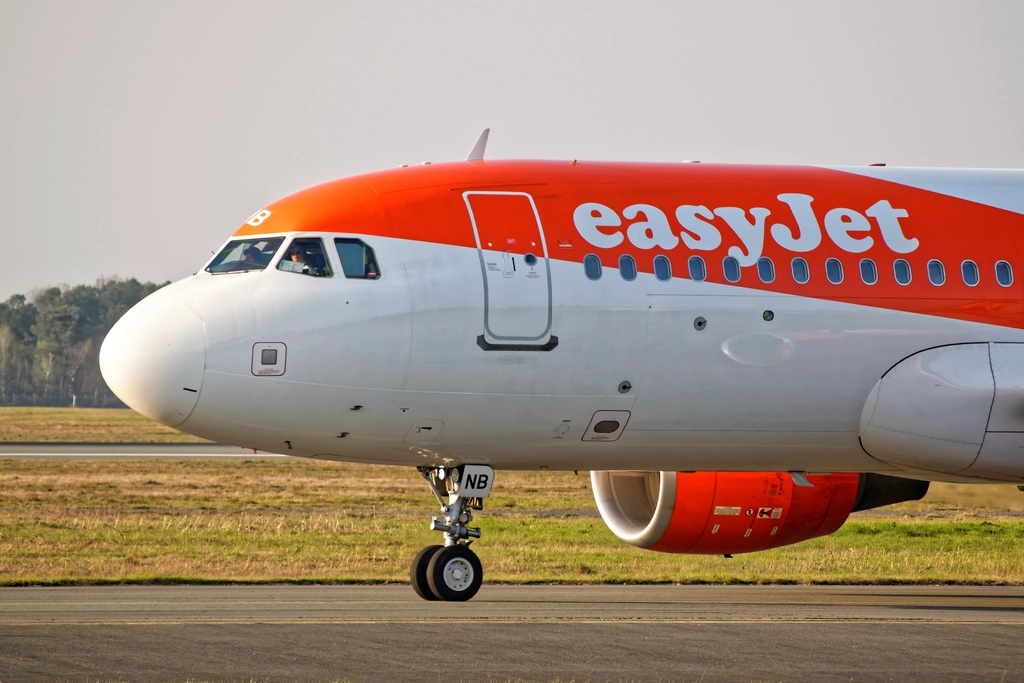
The strategy involves expanding the airline’s loyalty program and introducing premium elements on select routes. The goal is to “do more” with existing infrastructure while maintaining the low-cost product model for customers, according to the Financial Times.
The deal is expected to be completed by the end of March, pending regulatory approval. In a statement, the airline confirmed that the requisite majority of Scheme Shareholders voted to approve the scheme at the Court Meeting, and the requisite majority of easyJet Shareholders passed the resolution at the General Meeting.
Source: Simple Flying
