


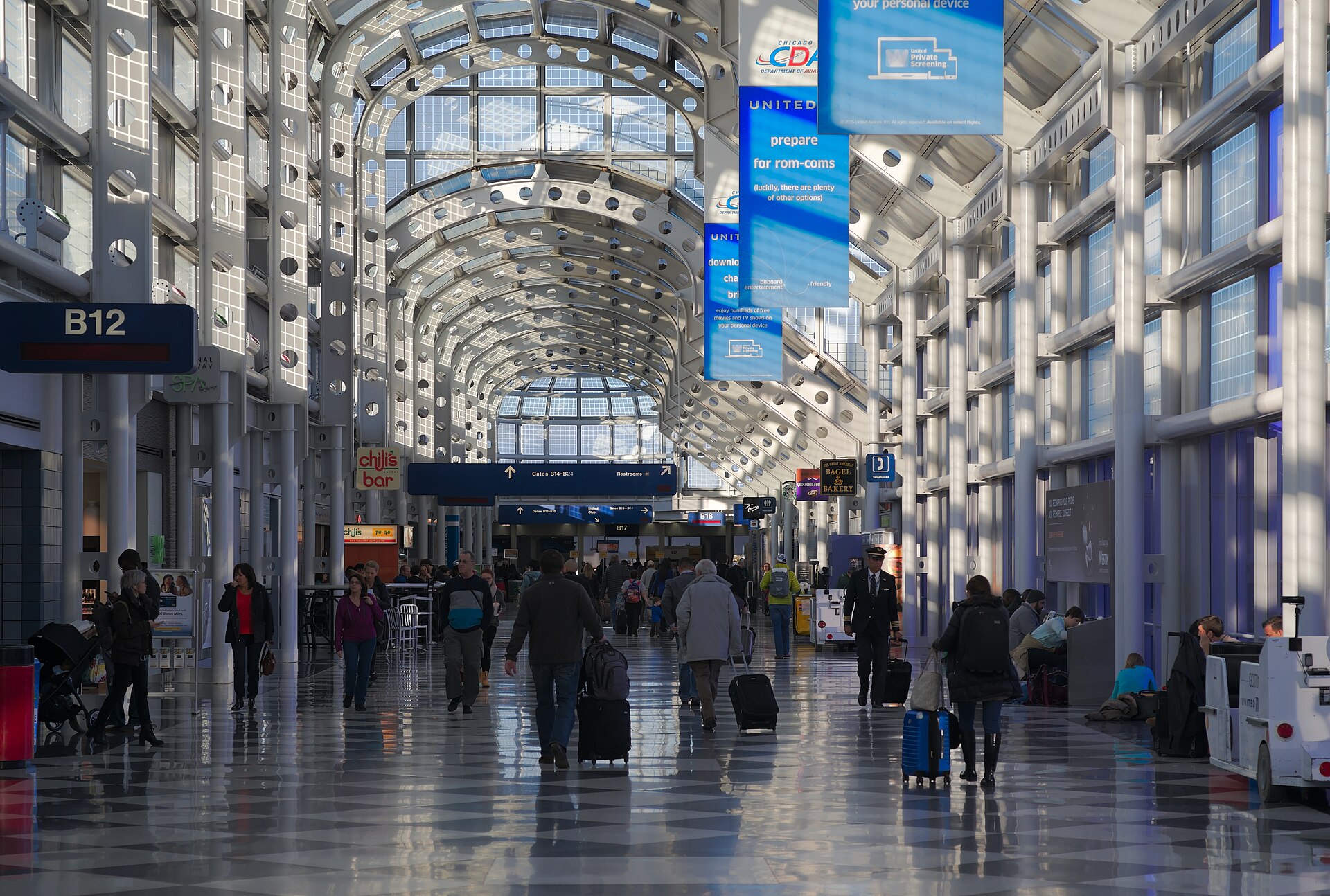
United Airlines executives have warned that Federal Aviation Administration (FAA) flight caps at Chicago O’Hare International Airport (ORD) are likely to remain in place until the mid-2030s. The restrictions are tied to the ongoing ORDNext terminal expansion and airfield infrastructure project, which is expected to continue through 2034.
The FAA currently prevents more than 2,700 daily takeoffs and landings at the airport. This limit is designed to minimize severe congestion and flight delays while construction work proceeds. Although the agency recently extended these limits through the end of October 2027, United Chief Commercial Officer Andrew Nocella indicated to CBS News Chicago that the caps could persist until the ORDNext project is fully completed.
Impact on United and American Airlines
O’Hare is the busiest airport in the world by flight departures, surpassing Hartsfield-Jackson Atlanta International Airport, which leads in total passengers served. The operational caps have forced both United and Fort Worth-based American Airlines to scale back aggressive growth plans at this shared hub.
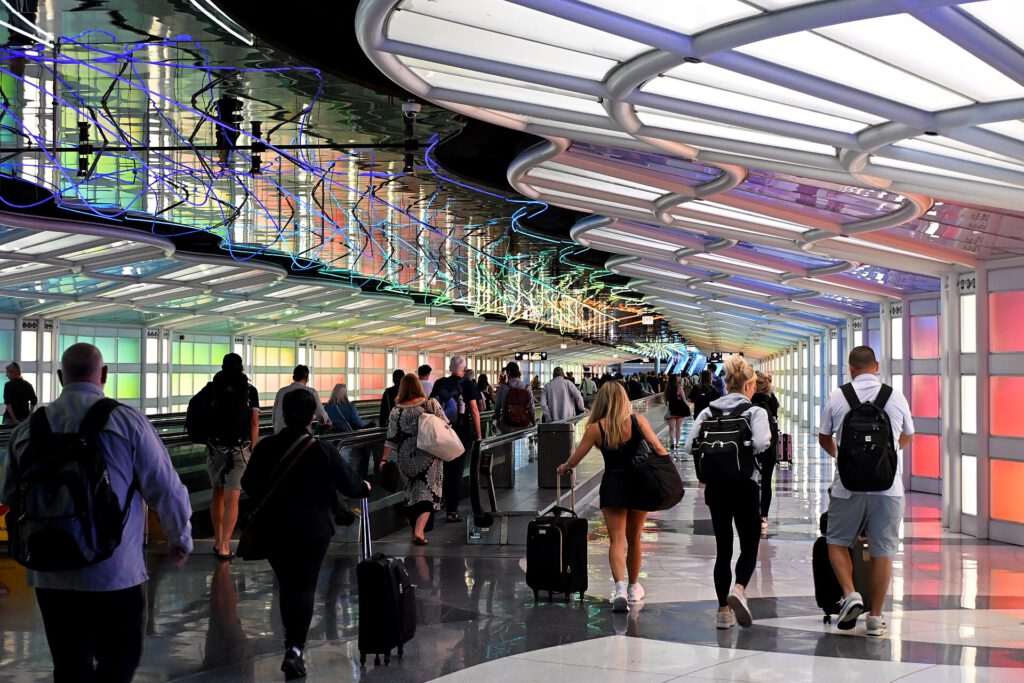
United has paused up to 11 regional and international routes as a result. The airline had suspended ten new regional Midwest services and an international route to Guadalajara. These constraints have limited United’s ambition to expand its operations at the airport to up to 1,000 daily flights. American Airlines also faces restrictions that cap its planned daily operations at more than 500 flights.
The flight restrictions have effectively paused the competitive “turf war” between the two major carriers at the Chicago hub. Slot growth is frozen, meaning travelers will face restricted flight choices on peak routes and limited seat availability. The Aviation Journal noted that these prolonged infrastructure upgrades will likely linger into the next decade.
ORDNext Terminal Expansion Details
The ORDNext program is a multi-billion-dollar modernization effort designed to boost gate capacity at O’Hare by up to 14%. The full project is expected to cost more than $9.8 billion. Major components include the construction of two satellite concourses near Terminal 1 and the complete renovation of Terminal 2.
A key part of the development is a new 580,000 square foot concourse featuring 19 gates. Construction on this satellite concourse broke ground in August 2025 and is scheduled to become operational in late 2028. Additionally, Concourse E will receive additional gate capacity, with the first phase of upgrades planned to begin this year.
Further construction is expected between 2029 and 2033 for the O’Hare Global Terminal facilities. The project also includes surrounding infrastructure improvements such as underground tunnels, grade-separated roadways, and expanded stormwater management systems. These works will periodically take taxiways and gates out of service, directly contributing to the need for FAA flight caps.
An American Airlines representative stated that the airline is committed to investing in Chicago and delivering a reliable experience for customers. The representative added that the FAA order helps reduce the risk of congestion and disruption, creating a more predictable travel experience for passengers and a more manageable operation for staff.
Passengers can expect fewer direct route options and increased pressure on ticket prices until the infrastructure program is completed. The FAA imposed these caps to protect operational stability at the busy airport, but the result is a significant limitation on long-term commercial growth for the airlines involved.
Source: Simple Flying
