



The Federal Aviation Administration is preparing to retire 55-year-old floppy disk technology from its air traffic control infrastructure. US Transportation Secretary Sean P. Duffy announced the widespread rollout of a replacement system, marking the end of an era for the storage medium that has persisted in critical government operations for decades.
“Good news America: floppy disks are out, 21st century tech is in,” Duffy said in an FAA press release. “The greatest nation in the world deserves a state-of-the-art air traffic control system, and under President Trump, we’re delivering just that.”
Replacing the IDS-4 System
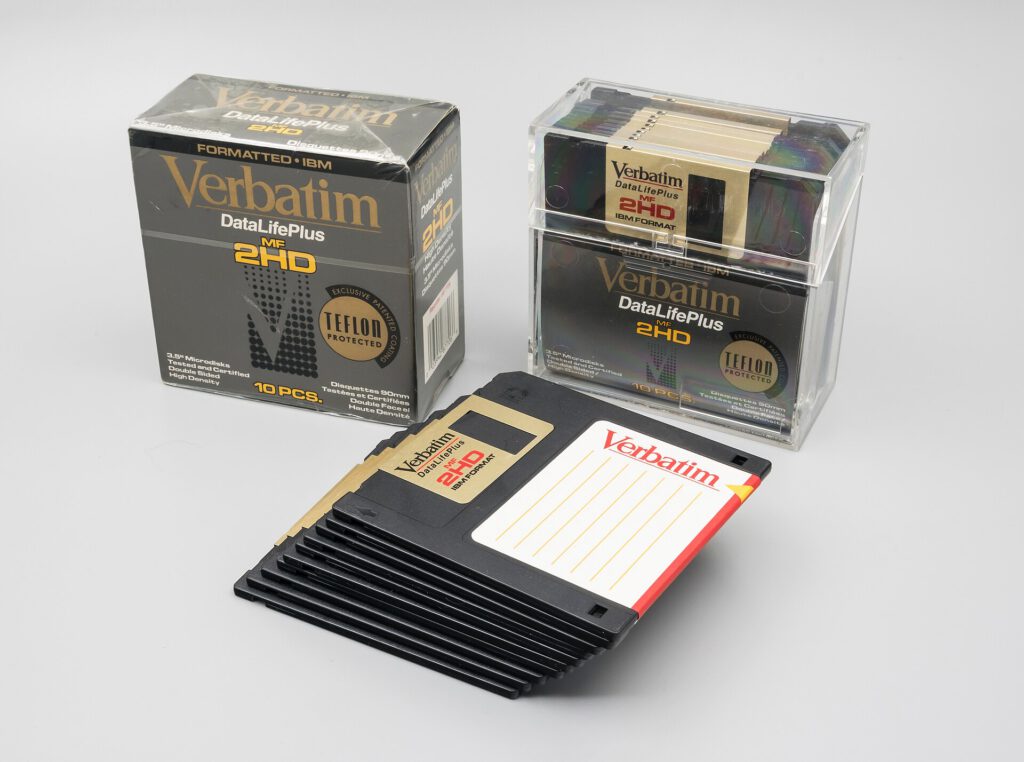
The outdated technology is currently embedded in the Information Display System 4 (IDS-4), a setup that relies on machines running MS-DOS and equipped with floppy drives. These disks store vital weather data and other critical information used by controllers to manage US airspace.
The agency plans to replace this hardware with the Enterprise Information Display System (E-IDS). FAA Administrator Bryan Bedford stated that the new system is designed to give controllers the information they need to make timely decisions. The upgrade aims to move away from manual processes that previously depended on physical media.
“We’re moving away from outdated, manual processes and replacing technology that once relied on floppy disks with a modern system that allows controllers to instantly share critical flight alerts, restricted airspace schedules and pilot reports across the National Airspace System,” Bedford said.
Rollout Timeline and Scope
The transition involves a significant logistical effort. The FAA intends to complete the upgrade at 435 sites across the country. The project is scheduled for completion by the end of 2028.
Atlantic City International Airport and Nashville International Airport are among the first locations to receive the new E-IDS hardware. The system will improve the collection of pilot reports, known as PIREPS, and Notices to Airmen (NOTAMs). PIREPS consist of first-hand weather reports exchanged between pilots and air traffic controllers.
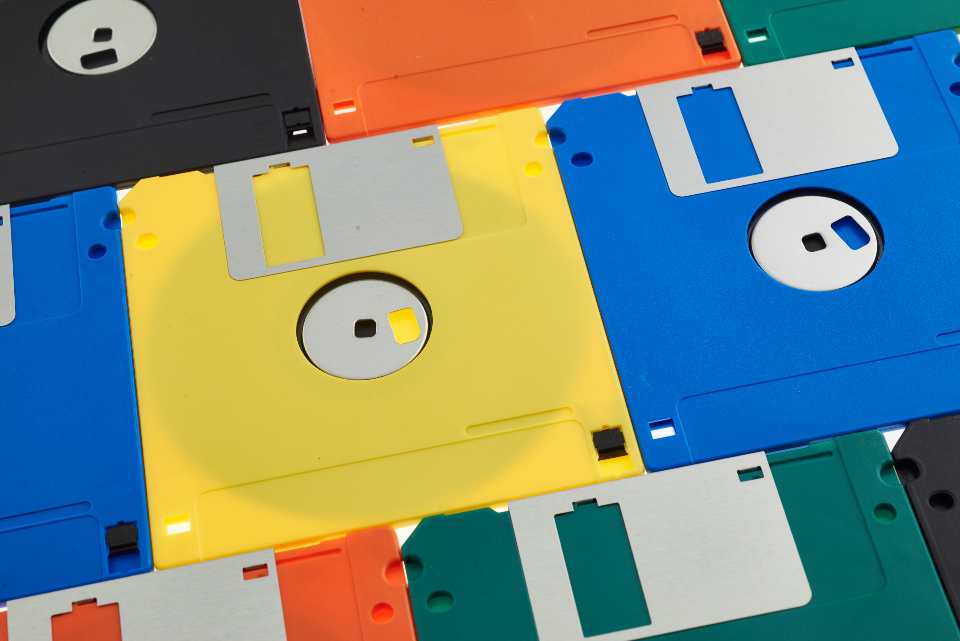
Floppy disks have remained in use in surprising sectors for years. Prior to this announcement, they were found in a San Francisco light rail line and previously in US nuclear launch facilities. The FAA’s move signals a final departure from the format in high-stakes government infrastructure.
Source: PC Gamer
