


French health authorities have confirmed the first known human case of the Shamonda virus, a pathogen that primarily affects livestock. The patient, who died in early October, was being treated for a serious illness at a hospital in Lyon, according to the country’s health and agriculture ministries.
Officials described the case as exceptional, noting that the patient was severely immunocompromised. The infection is believed to have been contracted through a midge bite in eastern France, where animal cases were first identified in the spring. The European Centre for Disease Prevention and Control (ECDC) stated that there is currently no risk to the general public.
Virus Origin and Transmission
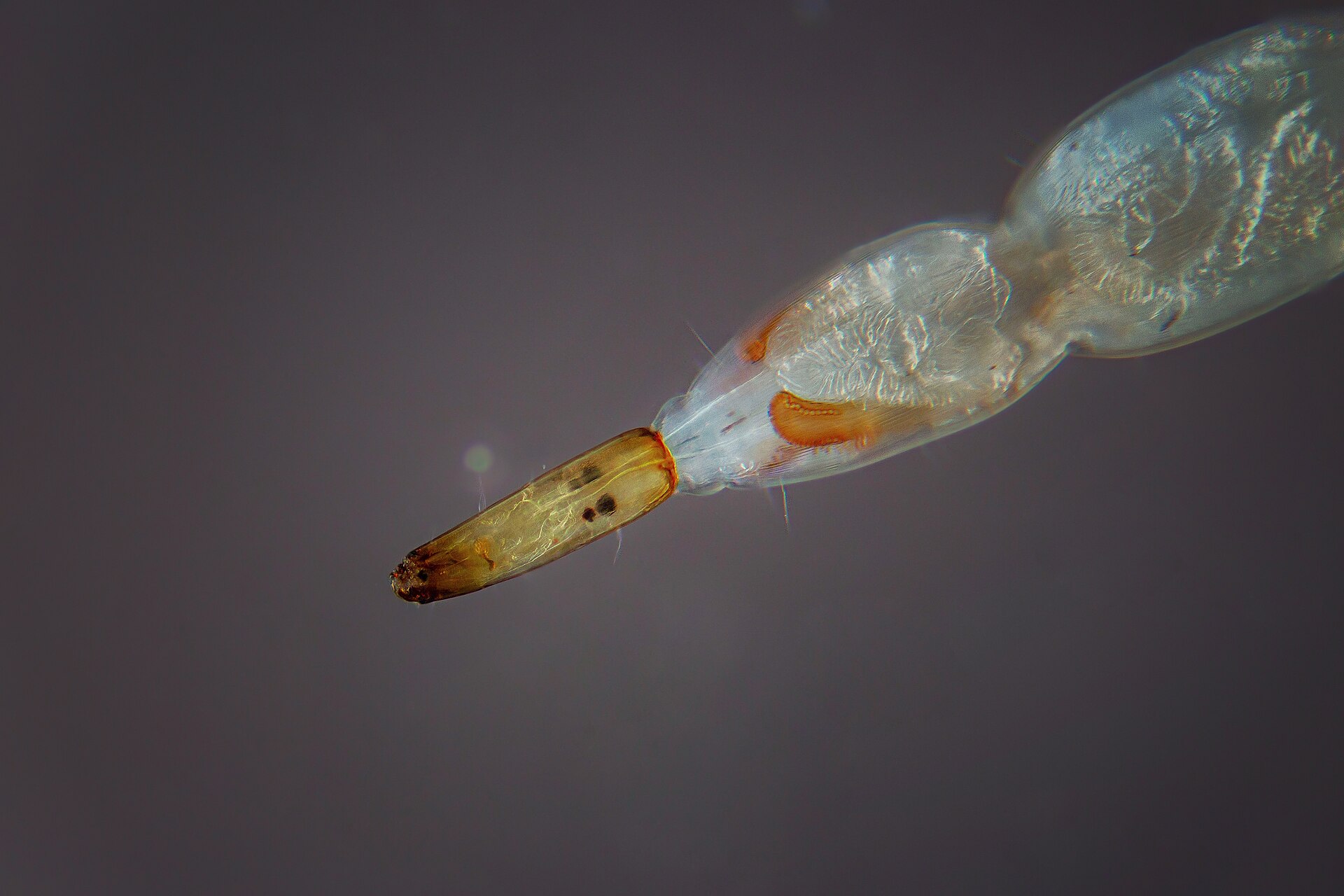
The Shamonda virus, or Shav, has circulated in Africa and Asia for decades but was previously considered non-transmissible to humans. It is spread by infected midges and causes symptoms such as fever, diarrhoea, and reduced milk production in cattle. Cases have also been recorded in sheep, goats, alpacas, and horses.
Initial findings suggest the patient experienced neurological complications that were very likely linked to the virus. The ministries emphasized that the patient’s weakened immune system made them more vulnerable to the infection. Until now, human infections had not been documented despite the virus’s long presence in animal populations.
European Spread and Investigation
The first cases of the virus in Europe were identified in late July. Since then, it has been detected in farm animals across several countries, including Ireland, Germany, Italy, Spain, and Jersey. The ECDC is working with French and European partners to investigate the potential public health implications of this human case.
Health officials are still determining exactly how the virus spread to a human. The case has been reported to the World Health Organization for further monitoring. Authorities stress that the situation is being managed closely, with no indication of broader community transmission.
Source: BBC
