


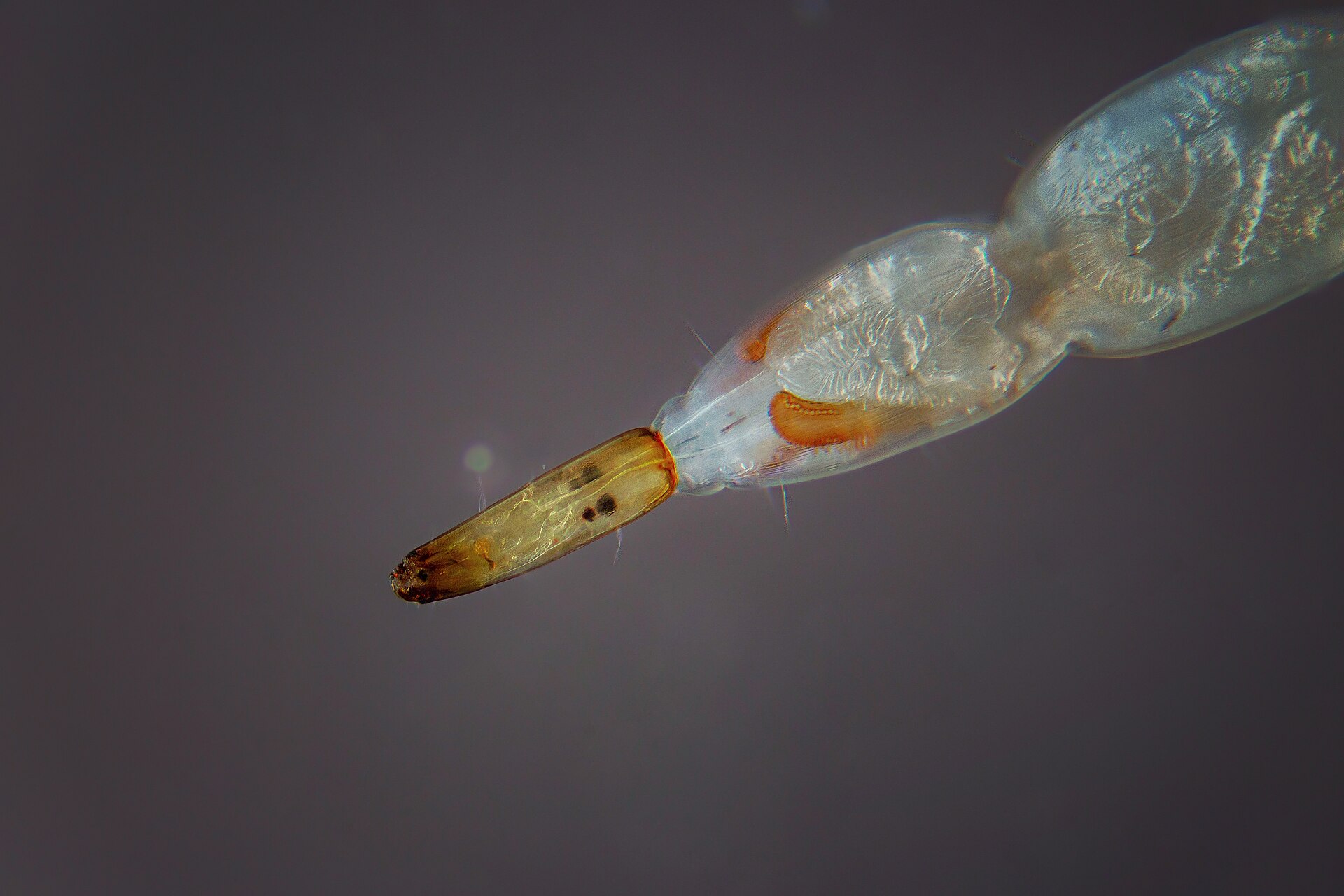
A man in France has become the first person in recorded history to contract the Shamonda virus, according to the European Centre for Disease Prevention and Control (ECDC). The patient, who died this month, was already seriously ill with a compromised immune system, which complicates efforts to determine if the virus was the direct cause of death.
Investigating the First Human Infection
French authorities are currently conducting a thorough investigation to determine whether the virus contributed to the patient’s death and how the infection was acquired. The European Centre for Disease Prevention and Control noted that the patient had pre-existing health conditions, meaning the exact role of the virus in his demise remains unclear.
Shamonda virus is a type of bunyavirus transmitted through the bites of infected midges. While it has been known to circulate in animals for many years, its appearance in a human host is unprecedented. The virus was first detected in European livestock during the summer, affecting cattle, sheep, and goats. In these animals, it can cause diarrhea, loss of appetite, reduced milk production, and in severe cases, abortions or congenital abnormalities in newborns.

Previous reports from the Austrian Agency for Health and Food Safety indicated that genetic material from the virus was found in the brains of horses in Switzerland and Germany that had died from neurological symptoms. This suggests the virus can affect the central nervous system in animals, a pattern that French authorities believe may be linked to the neurological complications seen in the French patient.
Experts Assess Public Health Risk
Despite the novelty of the case, leading infectious disease experts emphasize that the threat to the general public is minimal. Professor Tom Solomon, director of the pandemic institute at the University of Liverpool, stated that the virus has been circulating in livestock, including cattle, sheep, goats, horses, and alpacas, for years. He described the transmission to humans as extremely unusual.
“This is clearly concerning, but one exceptional case does not necessarily mean the virus poses a significant threat to the wider population,” Professor Solomon said. He noted that significant unknowns remain, including whether healthy individuals can contract the virus without showing symptoms or how frequently it causes serious disease.
Dr. Ben Brennan from the MRC-University of Glasgow’s centre for virus research added that there is currently no evidence of sustained transmission between humans. He advised that for most people, there is no reason to alter normal activities or take additional precautions. The discovery warrants continued scientific investigation and surveillance, but it does not currently suggest a significant new public health threat to the UK or the broader European region.
As investigations proceed, health officials will monitor the situation closely to understand the full scope of the virus’s potential impact on human health. The focus remains on determining the specific circumstances of this first case to better prepare for any future occurrences.
Source: The Guardian
