


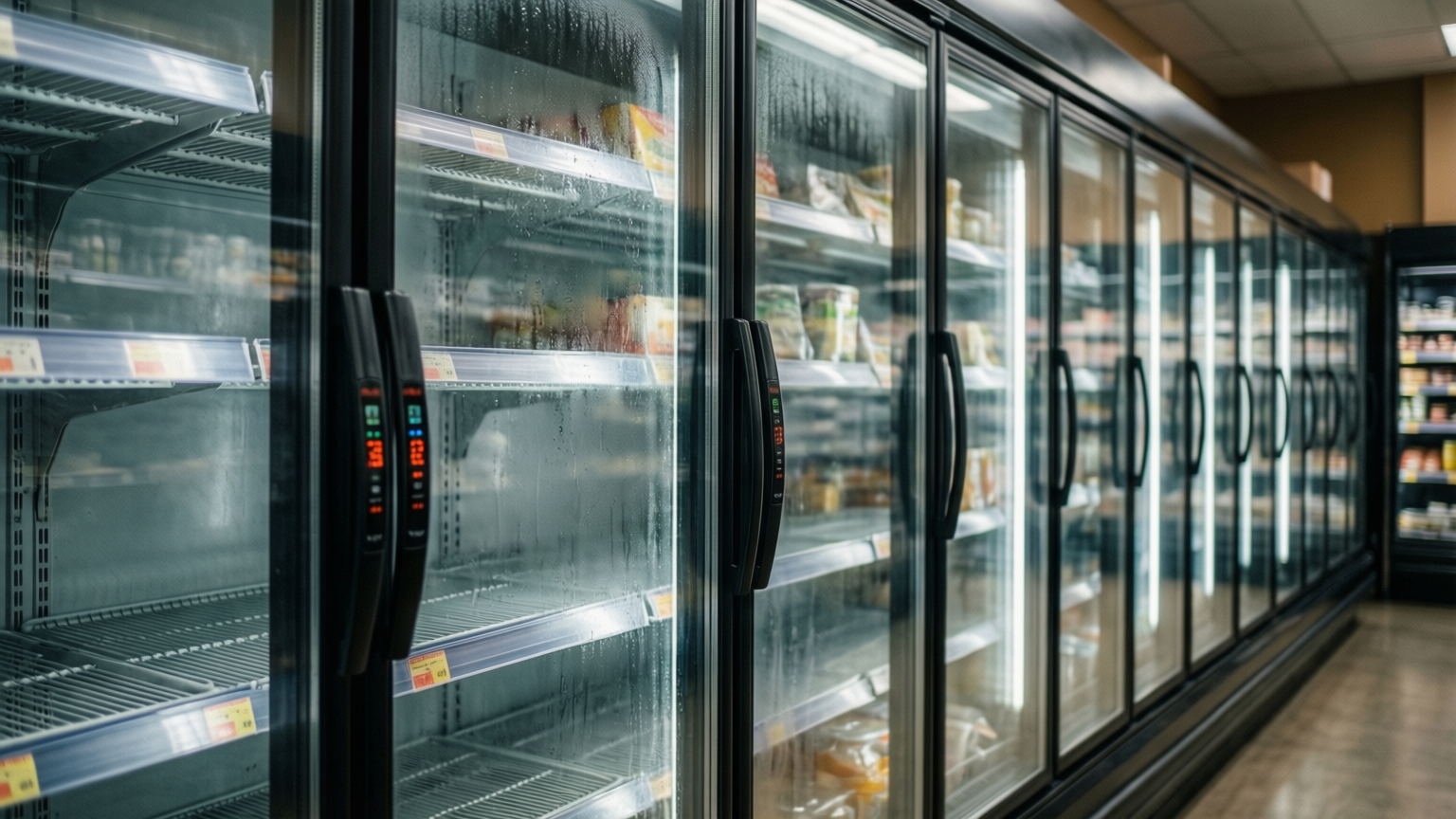
France has formally identified Iran as the source of a massive cyber-attack that disrupted supermarket refrigeration systems across the country, describing the incident as an act of unprecedented aggression. Foreign Minister Jean-Noël Barrot announced during a press briefing at the G7 summit in Paris that European sanctions would be imposed against those responsible for the hack.
The attacks, which occurred on October 11 and 12, involved hackers taking control of digital thermostats in hundreds of stores. They pushed temperatures in freezers and chiller cabinets from as low as -27C to above 50C. The extreme heat caused thousands of tons of perishable food to spoil, with some stores forced to dump entire inventories. In several locations, the temperature rise triggered fire alarms and sprinkler systems, resulting in water damage.
Identification of IRGC Cyber Unit
Barrot stated that government agencies confirmed the Islamic Revolutionary Guards Corps (IRGC) was behind the operation. He summoned the Iranian ambassador to protest the act in the strongest possible terms, calling it a major violation of national interests.
Laure Beccuau, the Paris public prosecutor, confirmed that investigators had identified a modus operandi characteristic of Shahid Kaveh, a cyber warfare unit linked to the IRGC. Beccuau noted that the investigation included the use of the Farsi language and IP addresses traced back to devices in Iran. Her office has opened a case against the head of Shahid Kaveh, his deputies, and others to be identified. The charges include fraudulent attacks on automated data processing systems and causing damage dangerous to persons, aggravated by the fact that the crimes were committed to serve a foreign power.
Gérôme Billois, a partner at cybersecurity firm Wavestone, noted that Shahid Kaveh has been active since 2020 and is known for targeting water distribution systems in the United States. He stated that while Iran and Russia are the two countries known for this type of attack, the specific targeting of freezers in France points to a direct link to Iran. Billois warned that because the group has the means and determination, future attacks could target critical infrastructure like water or electricity systems.
Spread to Blood Banks and Other European Nations
The disruption extended beyond French supermarkets. Last week, hackers accessed control systems at cold stores stocking blood products. The French blood service (EFS) reported that temperature and defrosting thresholds had been raised to very high levels. However, alarm systems alerted technicians, allowing them to disconnect the cold stores before the blood products were destroyed. It remains unclear if this attack is linked to the supermarket incidents.
Following the French attacks, retailers in 11 other European countries, including the UK, Belgium, Estonia, Ireland, Finland, Luxembourg, the Netherlands, and Sweden, reported problems with their refrigeration systems. Additionally, a regional branch of France’s Crédit Mutuel bank reported losing more than €100m in a separate cyber-attack on Friday, though it has since recuperated some of the funds.
Kaja Kallas, the head of foreign affairs for the EU, said the foreign affairs council would discuss the incidents next Monday. She stated that if the cyber incidents are attributed to Iran, they call for a strong response from the European Union. The EU designated the IRGC a terrorist organization earlier this year, a move made possible after France dropped its long-held opposition to the designation.
Source: The Guardian
