


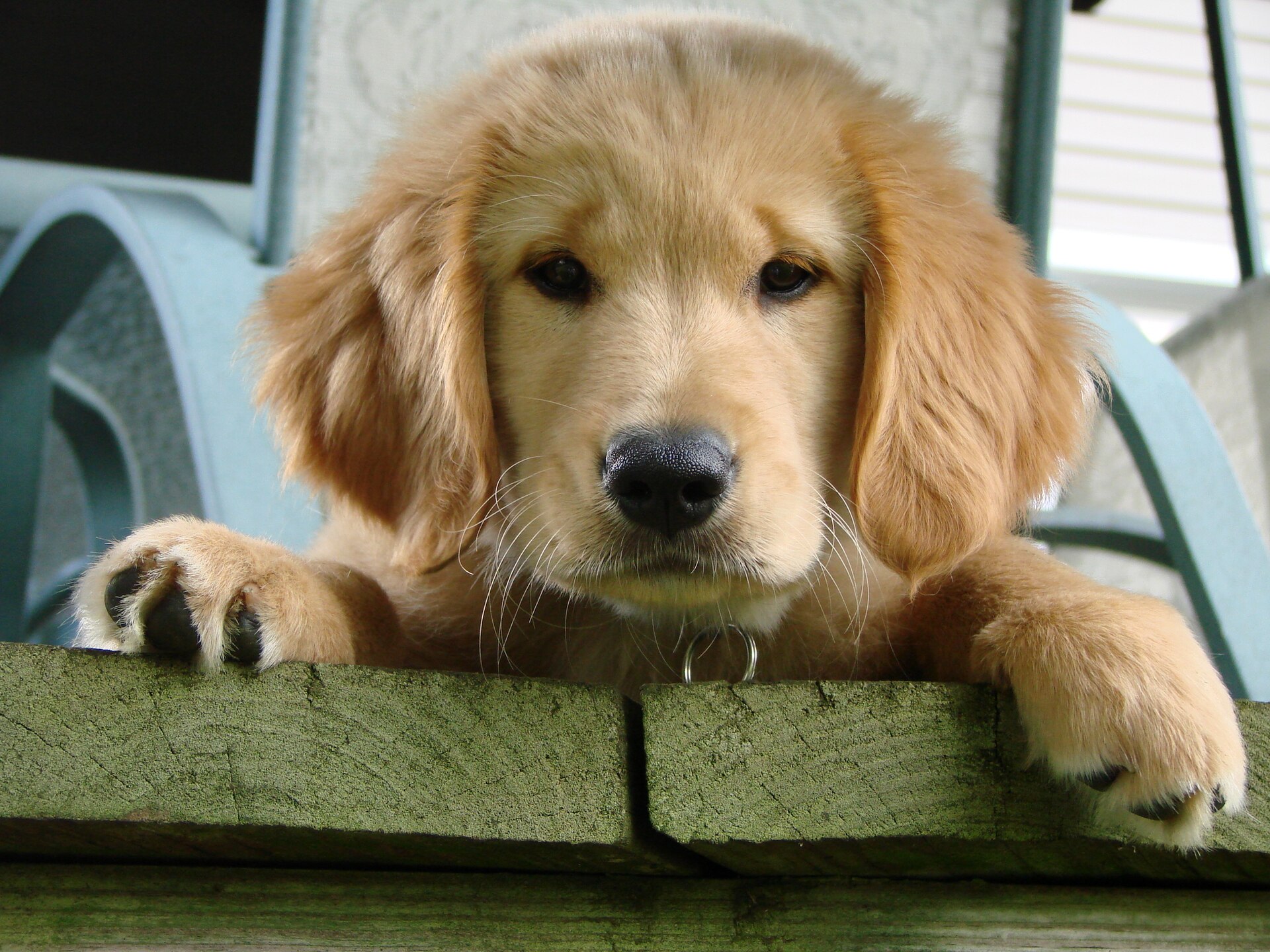
Orlando, a guide dog who overcame life-threatening tetanus and paralysis, has successfully qualified to assist a partially sighted individual. The dog’s journey from a critical health crisis to a working service animal highlights the resilience required in guide dog training programs.
The story begins with Orlando as an eight-week-old puppy in Swanley, Kent. He was being raised by a volunteer for Guide Dogs, a charity that trains dogs to assist people with visual impairments. Puppies typically live with raisers for 12 to 18 months before moving to professional trainers.
Severe Health Crisis in Swanley
Orlando’s training was interrupted when his raiser noticed him shaking his head, a symptom often linked to ear issues. A visit to the local veterinarian escalated quickly. On the second appointment, the vet advised an immediate transfer to the Royal Veterinary Hospital. The diagnosis was tetanus.
Tetanus is rare in dogs, and they are not routinely vaccinated against it. The condition caused Orlando to become completely paralyzed. For the first week, his condition was critical. His raiser spent nights waiting for news of his death, fearing the worst.
The illness was severe enough to end his initial training track. Orlando had to relearn basic functions, including eating and walking. His recovery was slow. He could not climb stairs and required mats on the floor to prevent painful sliding. Walks were limited to short distances during this rehabilitation phase.
Return to Training and Qualification
Despite the physical setbacks, Orlando displayed a distinct personality. He developed a high-pitched bark to communicate his needs. His raiser noted that he was demanding and cheeky, once taking her daughter’s socks and feigning innocence. These traits did not hinder his progress.
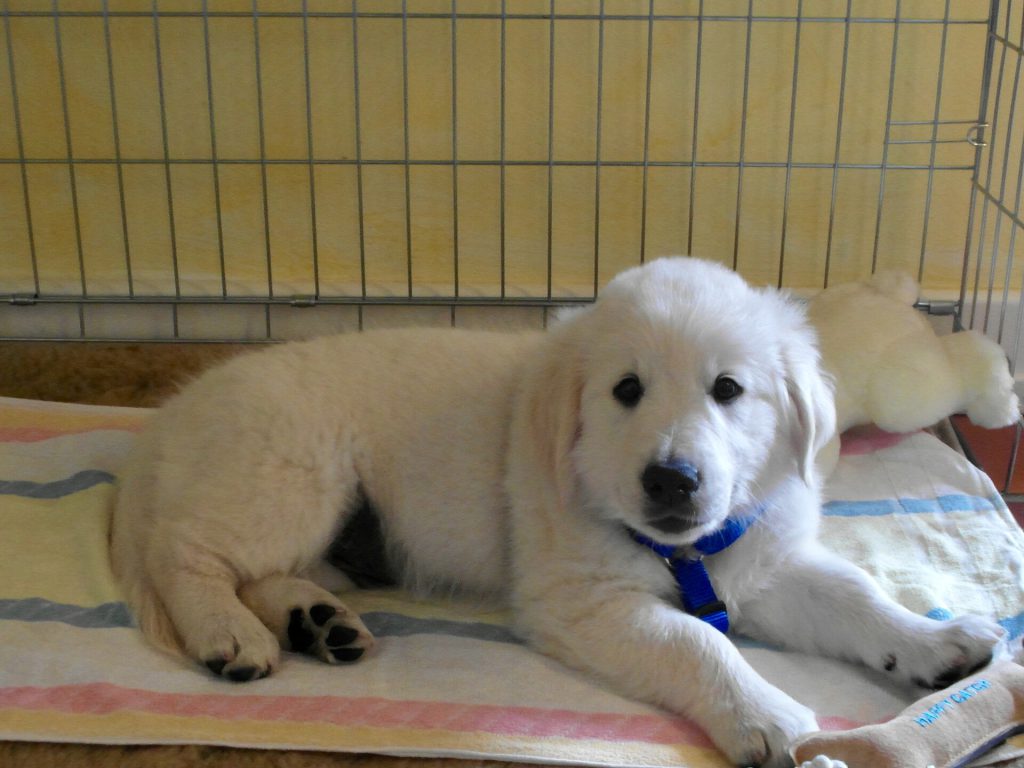
Orlando remained with his raiser until he was 17 months old. At that point, he was transferred back to Guide Dogs for advanced training. The separation was emotional for the raiser, who compared the experience to sending a child to university.
Within six months, Orlando qualified as a guide dog. He was matched with a partially sighted owner who had waited years for assistance. The raiser received an email from the new owner expressing deep gratitude. The dog has enabled the owner to leave the house and engage in activities they previously could not manage.
The success of Orlando’s case has changed how his raiser approaches dog care. She is now more attentive to subtle health signs. The experience underscores the importance of early detection in treating rare conditions in young animals.
Orlando’s story serves as a testament to the dedication of puppy raisers and the potential for recovery in severe medical cases. His transition from a paralyzed puppy to a working guide dog demonstrates the effectiveness of the training process.
Source: The Guardian
