


Houthi strikes targeting Saudi Arabia are creating a measurable ripple effect across the broader Gulf travel market. While the direct impact remains concentrated in Riyadh, hoteliers and tour operators in the United Arab Emirates and Oman report a noticeable decline in forward bookings and an increase in safety-related inquiries from potential visitors.
The winter season will serve as a critical test to determine whether international travelers view the Gulf as a single, interconnected risk zone or as distinct destinations with varying levels of stability. Early indicators suggest that the region is being treated as a monolith by many travelers and media outlets.
Regional Sentiment and Booking Trends
Executives in the hospitality sector note that the spillover effect is driven largely by perception rather than immediate physical danger in neighboring countries. Naim Maadad, chief executive of Gates Hospitality, which manages the Six Senses Zighy Bay resort in Oman, explained that the media often applies an umbrella approach to the entire Middle East. This broad coverage, combined with stricter travel alerts from various embassies and restrictions on travel insurance, has significantly cooled demand.
Maadad stated that his resort has seen almost no international tourism since late February. The few remaining reservations are primarily from local residents and are typically made at the last minute. He noted that tourist fears were reignited by the recent strikes on Saudi Arabia, leading to a return of stricter travel advisories that continue to suppress leisure travel.
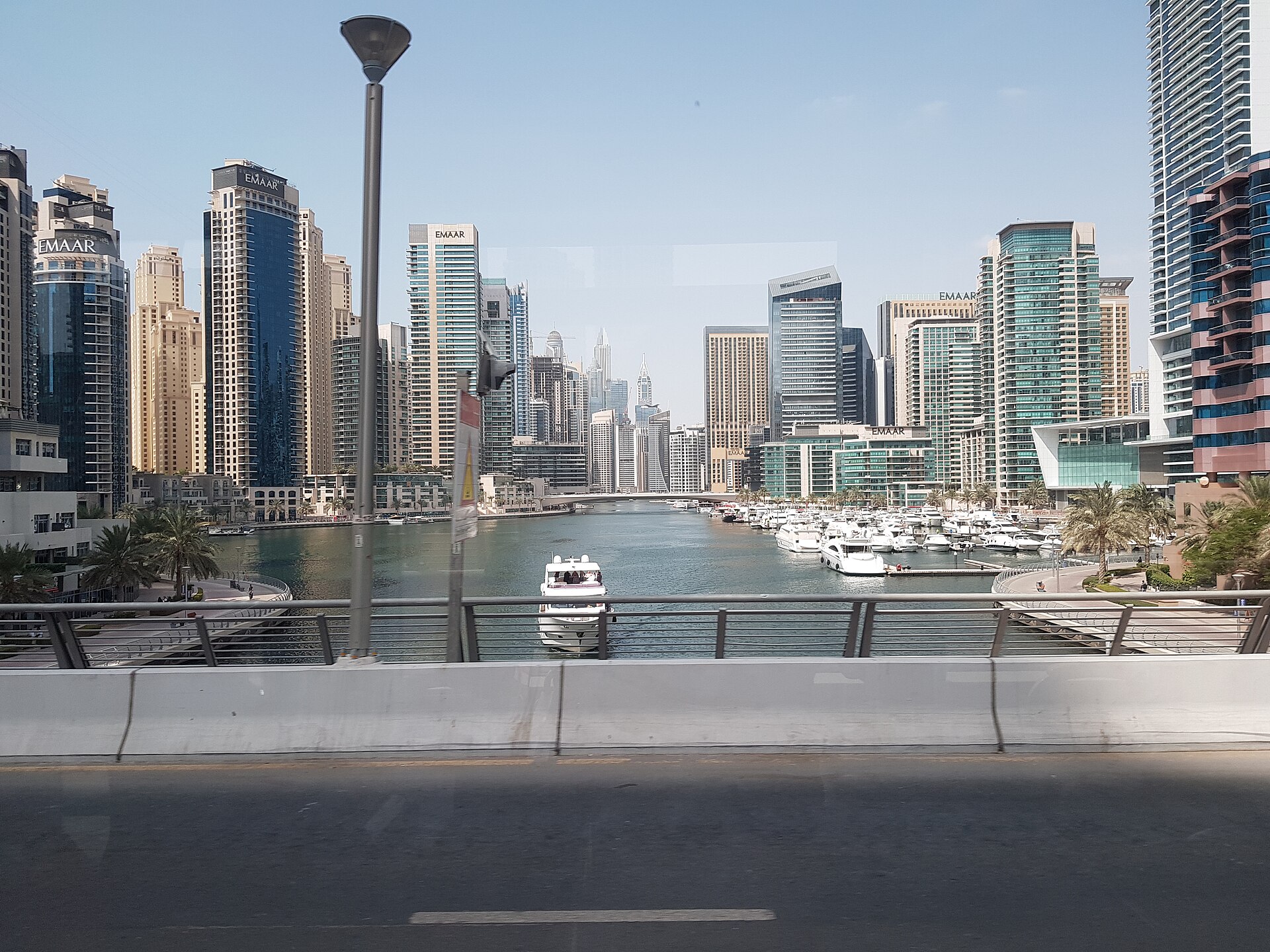
In the UAE, the data presents a mixed picture. Hotel occupancy averaged 67.6% in September, a drop of 12.3 percentage points compared to the previous year. Revenue per available room fell by 23.7%, according to CoStar. However, industry analysts point out that this erosion in performance predates the latest strikes and traces back to the broader geopolitical tensions involving the United States and Iran that began on February 28.
Data Divergence Between Markets
Short-term rental data highlights the sharp contrast between the two markets. AirDNA reported that Saudi short-term rental nights fell by 17% on October 10, the day Riyadh’s airport was struck. Cancellations rose by an additional 30% following events after October 6. In contrast, the impact on the UAE was small and difficult to separate from the months of softer performance that preceded the recent violence.
Corporate travel remains a stabilizing factor in the UAE. Dubai’s fourth-quarter event calendar is holding bookings steady, with major conferences such as Big 5 Global, Gulfood Manufacturing, and Gitex Global proceeding as planned. This stands in sharp contrast to Saudi Arabia, which has postponed high-profile gatherings like the Future Investment Initiative.
Leisure demand, particularly from family groups, has thinned out under the weight of UK and other government travel advisories. Operators say that while the hard data for the UAE has not collapsed, the sentiment among travelers is increasingly cautious. The coming months will reveal whether this hesitation translates into long-term structural changes in Gulf tourism or remains a temporary reaction to escalating regional tensions.
Source: Skift
