


Walking and conventional weight training may not provide the mechanical stimulation required to maintain strong bones as people age. A comprehensive review by researchers at Semmelweis University suggests that high-intensity sports involving sudden bursts of movement and sharp directional changes are significantly more effective at stimulating new bone formation.
The findings, published in Sports Medicine – Open, challenge long-held assumptions about the best ways to preserve skeletal strength. The analysis indicates that the specific type of physical activity matters more for bone health than the total duration spent exercising.
Biological Markers Reveal Exercise Impact
To understand how different forms of exercise affect the skeleton, the Semmelweis University team analyzed data from 24 clinical studies involving 1,238 healthy adults. Rather than relying on bone mineral density measurements, which can take considerable time to reveal changes, the researchers examined blood markers associated with the production of new bone tissue.
These biological indicators allow scientists to detect how bones respond to exercise within a matter of weeks. This approach provided a faster and more sensitive measure of bone metabolism compared to traditional imaging techniques.

“What makes our study unique is that we examined not only the type of exercise – whether endurance, resistance, or combined training – but also exercise intensity, frequency, and duration,” said Dr. Peter Ferdinandy, Vice-Rector for Science and Innovations at Semmelweis University and senior author of the study. “Our goal was to determine which forms of exercise stimulate bone metabolism most effectively and which appear to be less beneficial from this perspective.”
Vigorous Sports Show Strongest Response
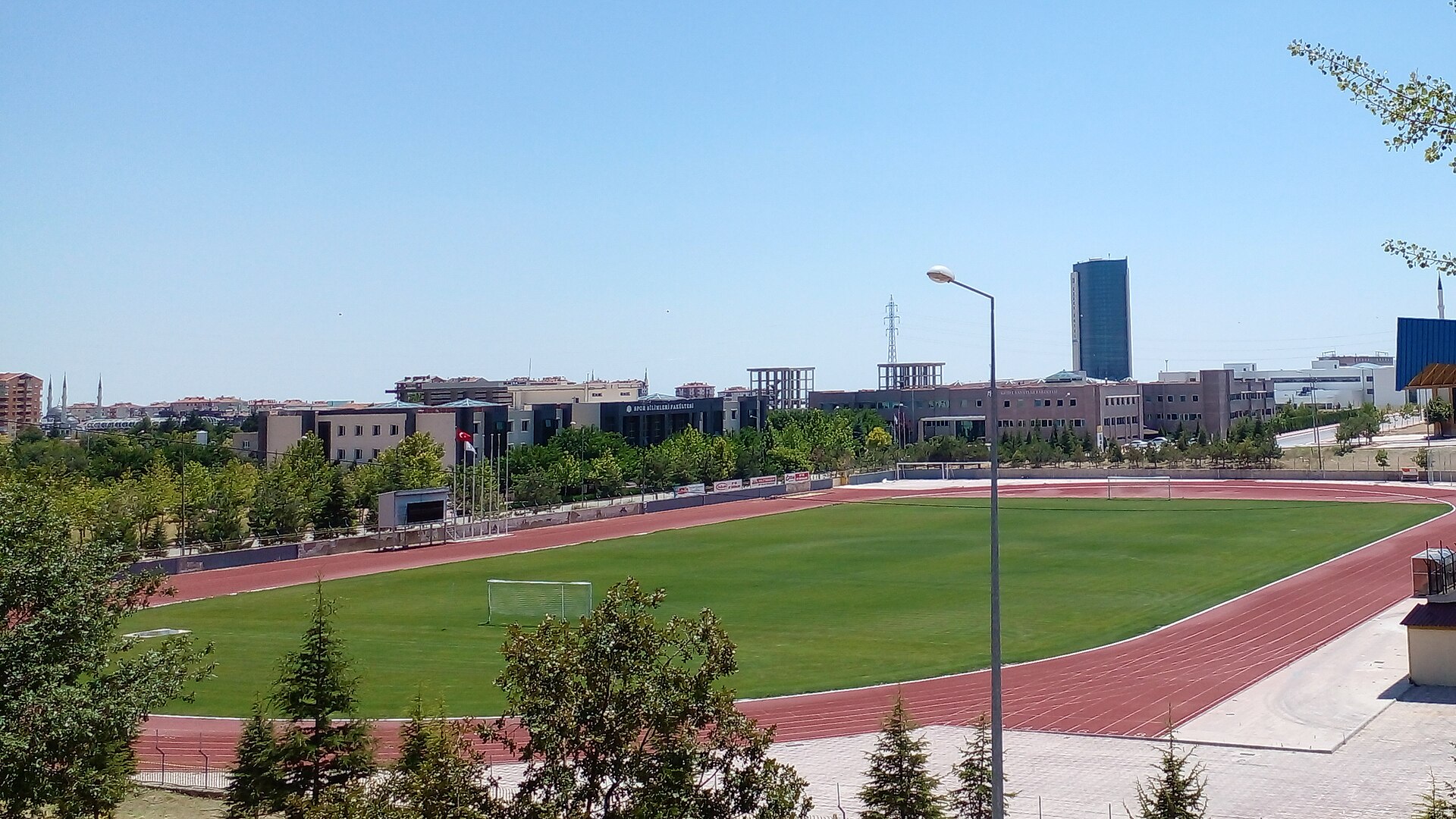
The analysis identified vigorous sports that repeatedly require players to accelerate, change direction, turn, and make powerful movements as the most effective for bone health. Recreational football and handball stood out in particular.
These activities were linked to increases of up to 45 to 46 percent in blood markers associated with bone formation. This suggests that the dynamic forces placed on the skeleton during these sports provide a particularly strong stimulus for the body’s bone-building processes.
In contrast, more conventional activities generally produced smaller responses. Walking, step aerobics, and standard resistance workouts performed in a gym setting were less effective at stimulating the measured indicators of bone formation. The results were especially unexpected for resistance training, which is commonly recommended by professional guidelines as a primary method for supporting skeletal health.
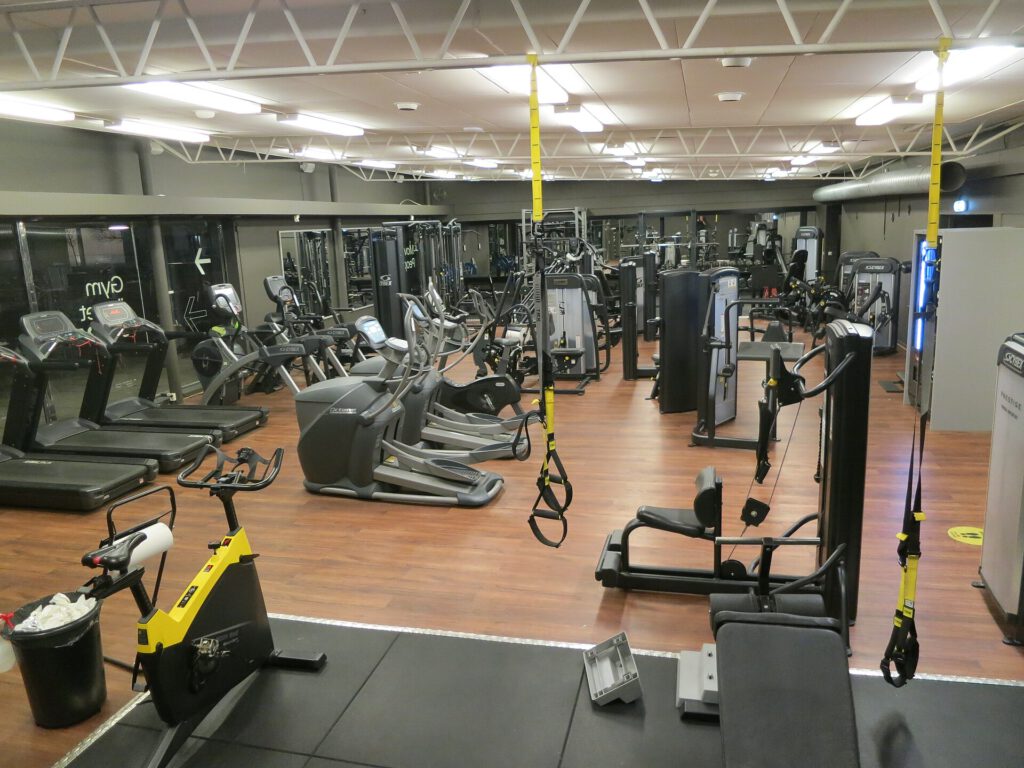
“The most surprising finding was that resistance training did not produce a significant effect on markers of bone metabolism, even though several professional guidelines recommend this type of exercise for maintaining bone health,” explained Viktoria Barna, a PhD student at Semmelweis University and first author of the study. “Likewise, low- or moderate-intensity endurance exercise, such as walking or jogging, showed no meaningful long-term effect.”
Guidance for Safe Physical Activity
The researchers emphasize that these findings do not suggest abandoning walking, jogging, or other less demanding activities. These forms of exercise continue to offer important health benefits for cardiovascular and metabolic health, even if they do not stimulate bone-building processes as strongly as more intense sports.
However, the study indicates that maintaining healthy bones may require greater mechanical stimulation than many everyday activities provide. Movements that place more substantial forces on the skeleton appear to produce a stronger response in the biological processes involved in forming new bone.

Dr. Nora Syd, a clinical specialist and co-author of the study, noted that while the World Health Organization highlights the numerous health benefits of regular physical activity, low-intensity exercise alone is not sufficient to stimulate bone metabolism. She added that high-intensity exercise may trigger early beneficial changes in bone formation, potentially helping to slow bone loss and support healthy aging.
The researchers stress that individuals should not suddenly begin strenuous exercise without preparing appropriately. This is especially important for people with cardiovascular, musculoskeletal, or metabolic conditions, as well as those who already have osteoporosis. Anyone in these groups considering a new activity or a more physically demanding exercise routine should first speak with their treating physician, general practitioner, or a sports medicine specialist.
Medical guidance can help determine whether the activity and its intensity are suitable for an individual’s health and physical capabilities. The findings offer a new perspective on how exercise could be used to maintain bone health as people age, highlighting that staying physically active is beneficial for overall health, but keeping bones healthy over the long term may depend on how powerfully and dynamically people move.
Source: ScienceDaily
