


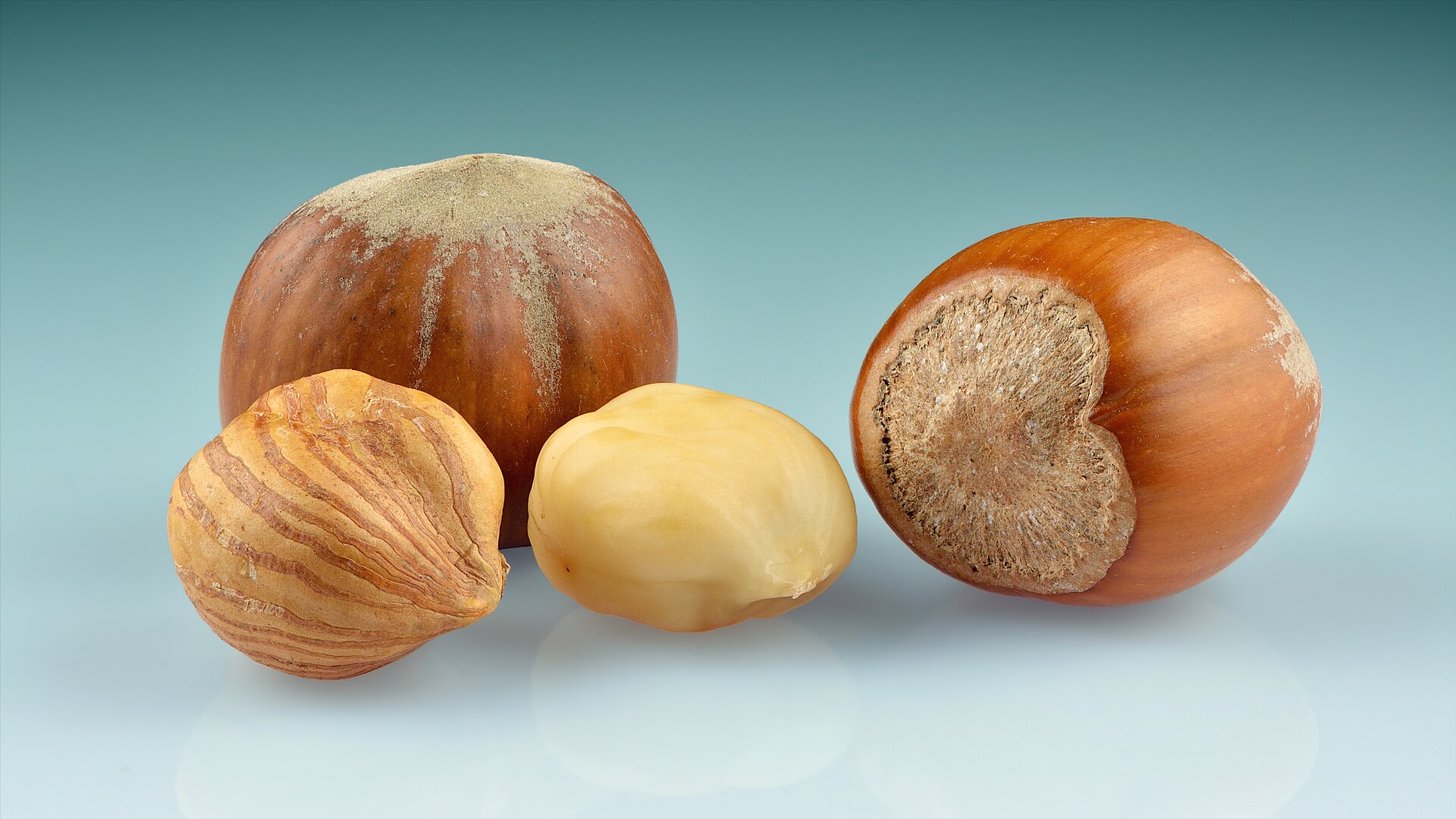
Home gardeners are being encouraged to reconsider nuts as a viable crop, with the cobnut emerging as a particularly rewarding option. These nuts, which come from cultivated hazel trees, have a long history of cultivation dating back to Roman times. While wild hazel is common in woodlands, growing specific cultivated varieties is necessary for a reliable and substantial harvest.
Site Selection and Planting Conditions
Cobnut trees thrive in mild climates, a trait that historically made Kent a major production area in the Victorian era. The Kentish cob remains one of the most popular varieties today. To ensure success, the tree requires a sunny location with free-draining soil. This can be challenging for gardeners with heavy clay soil, so proper soil preparation is essential. The site should also be sheltered to protect the flowers from late frosts, which can damage the pollination process.
The ideal time to plant is during the dormant season, typically from November through late winter. Trees are usually sold as one to two-year-old specimens. Having a wild hazel tree nearby can significantly improve your chances of success. Cobnut trees are monoecious, meaning they produce both pollen-bearing catkins and fruit-bearing flowers on the same tree. However, some cultivated varieties cannot self-pollinate and require a partner tree. Wild hazel is compatible with most cultivars and can provide the necessary pollen via the wind.
Pruning for Better Yields
While an unpruned tree will still produce nuts, regular pruning leads to larger and higher quality fruit. The goal is to create an open structure with approximately ten main branches, or leaders, growing outwards. Pruning should be done in winter to prevent overcrowding. If you prune after the catkins have appeared, it can help distribute pollen more effectively across the tree.
Traditional gardeners also use a technique called brutting to encourage heavier cropping. This involves bending the side shoots of the current season in late summer and breaking them while leaving the broken section attached to the tree. This stress on the plant signals it to produce more nuts.
Harvesting and Preparation
The harvest window for cobnuts is relatively short. You can pick them fresh from August, when they have a delicate, juicy texture. This early harvest is often the only option for gardeners who share their space with squirrels, as these animals have a strong preference for the nuts. If you prefer the classic nut flavor, wait until the husks begin to turn yellow, which is about a month later.
Once harvested, the nuts should be cracked, shelled, and lightly roasted to enhance their flavor. This simple preparation brings out the rich, nutty taste that has made cobnuts a favorite for centuries. With the right care and timing, growing your own cobnuts is a manageable and delicious project for any garden.
Source: The Guardian
