


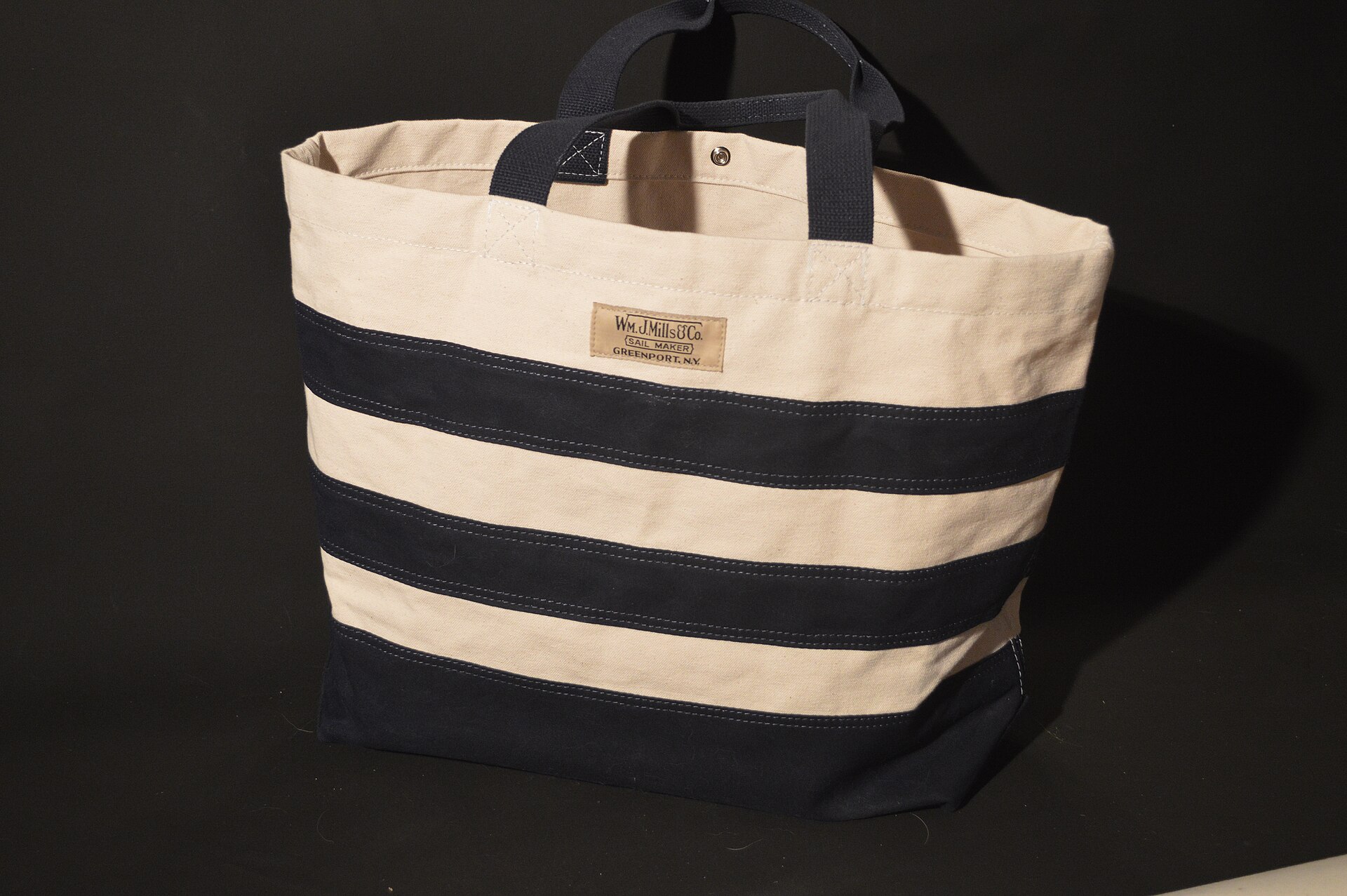
A plain canvas tote bag, once a ubiquitous carrier for groceries and gym clothes, has undergone a dramatic price transformation. Luxury fashion houses are now selling versions of this simple item for hundreds, or even thousands, of pounds. This shift has turned an everyday utility into a high-end status symbol, driven by a desire for understated wealth and specific cultural associations.
The Price of Plain Cotton
Consumers with significant disposable income now have several options for acquiring a high-end canvas carrier. Phoebe Philo, the former Celine designer known for pioneering quiet luxury, offers a white cotton shopper for £450. The bag features silver brass hardware on its internal zipped pocket. Swedish brand Toteme sells an organic cotton canvas tote for £510, available in dark brown, red, or classic ecru. Tom Ford’s version, priced at £1,600, adds calfskin trims and handles to the cotton canvas body. Prada offers a model with leather details and metal hardware for over £2,000.
These items stand in stark contrast to the affordable carriers stocked by retailers like Trader Joe’s, LL Bean, and J Crew. For decades, these simpler bags have been common sights on the shoulders of people running errands or heading to the office. The luxury versions borrow the same basic silhouette but attach a premium price tag to the aesthetic.
Anti-Status Status and Coastal Mythology
Tiffany Hill, founder of Trend Suite, describes the appeal of these expensive carriers as a form of anti-status status. The impracticality of pale colors like cream or ecru, which mark easily, signals that the owner does not need the bag for heavy utility. Instead, buyers are purchasing an aesthetic and a lifestyle. The bag communicates taste and belonging through recognition of the reference rather than a display of a large price tag.
This visual language is deeply tied to American coastal culture. Muffy Aldrich, editor of the blog Salt Water New England, notes that ecru canvas totes are iconic to the East Coast preppy style. She owns dozens of these bags in various sizes and handle lengths. The design, with straps that wrap completely around the bag, is practical for carrying items from beaches to lobster shacks. Luxury brands leverage this existing mythology of summer houses, farmers’ markets, and old-fashioned affluence without needing to invent a new narrative.
The trend is also influenced by high-end retail environments. Erewhon, a luxury supermarket in Los Angeles frequented by celebrities, sells ecru totes for about £74. In certain social circles, carrying a bag from this specific grocery store acts as a marker of insider knowledge and taste. This phenomenon, which some call the Erewhon effect, shows how everyday items can become aspirational when associated with exclusive brands.
Sustainability and the Forever Tote
The rise of luxury carriers coincides with growing concerns about sustainability. The United Nations Environment Programme states that a cotton tote must be used between 50 and 150 times to offset its production impact. In reality, less than 10% of totes are used more than three times. This overproduction problem has created an appetite for bags that serve a purpose beyond cluttering cupboards. The new luxury iterations are often boxy and sturdy, designed to be durable enough for daily use.
Pop culture has also played a role in normalizing the bag. Anna Wintour famously carried a monogrammed tote, while the TV show Furious featured a character using a similar bag to hide sensitive data. These depictions highlight the bag’s capacity and utility. However, the trend faces criticism for potentially undermining the very practicality that made the original tote iconic. Muffy Aldrich suggests that when a bag becomes too precious and expensive, owners may hesitate to use it in the ways that made it useful. This could turn the tote into a temporary, disposable item, driven by seasonal fashion cycles rather than long-term utility.
Source: The Guardian
