


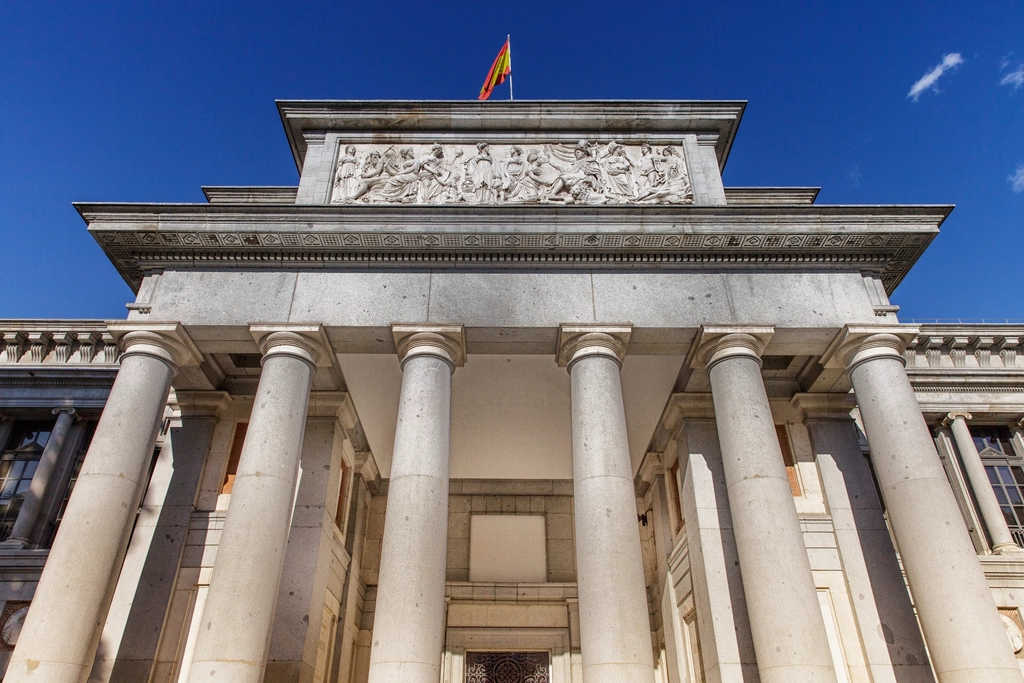
Madrid’s cultural pulse is felt in the sharp rhythm of flamenco shoes against wood, inside a museum born from a barber’s friendship with Picasso, and within a baroque church where frescoes cover every surface. Beyond its globally recognized institutions, the Spanish capital offers layers of artistic heritage tied to a lively, warm way of life that has attracted visitors for centuries.
The Golden Triangle of Art
Three major museums form one of the world’s most celebrated cultural districts, known as the Golden Triangle of Art. The Museo del Prado, Museo Nacional Thyssen-Bornemisza, and Museo Reina Sofía are all within walking distance of each other. This cluster showcases centuries of artistic innovation, ranging from Spanish Golden Age painting to modern and contemporary works.
The Prado houses some of the greatest masterpieces in art history. Diego Velázquez became court painter to the Spanish monarchy at age 24. For decades, he portrayed the royal family with precision. In 1656, at age 57, he created Las Meninas. This painting places the young Infanta Margarita and her attendants in the foreground. In a small mirror on the back wall, the monarchs themselves appear. The work remains one of the most celebrated paintings in the museum.
Visitors can also view Goya’s The Third of May 1808 and Hieronymus Bosch’s The Garden of Earthly Delights. Painted more than 500 years ago, Bosch’s triptych unfolds across three panels filled with fantastical animals, forests, and imaginary creatures. The piece moves between paradisiacal and dystopian scenes, inviting endless discovery.
The Prado sits within the Paseo del Prado, part of Madrid’s UNESCO-listed Landscape of Light. This historic cultural landscape brings together museums, gardens, and architectural landmarks. Private VIP visits offer a chance to admire these works in detail away from crowds, taking place outside regular museum hours.
The Thyssen-Bornemisza collection spans seven centuries of art. It features early Italian and Flemish masters, Impressionists, and modern innovators. The museum provides private guided tours and access to its Restoration Workshop, where guests can see the meticulous work that preserves these masterpieces.
The journey into modern and contemporary art continues at the Reina Sofía. This museum is home to Picasso’s Guernica, a powerful denunciation of the horrors of war painted in 1937. The monumental canvas remains one of the defining works of the 20th century. Private guided tours led by contemporary art specialists are available for deeper insight into the ideas and histories behind the collection.
Theater, Churches, and Flamenco
Madrid’s cultural energy extends beyond museum walls into theaters, churches, and public squares. Behind a discreet facade, the church of San Antonio de los Alemanes reveals an extraordinary interior. Frescoes climb from the walls across the vault, blurring the line between painting and architecture. Saints, clouds, and painted structures merge with the real building.
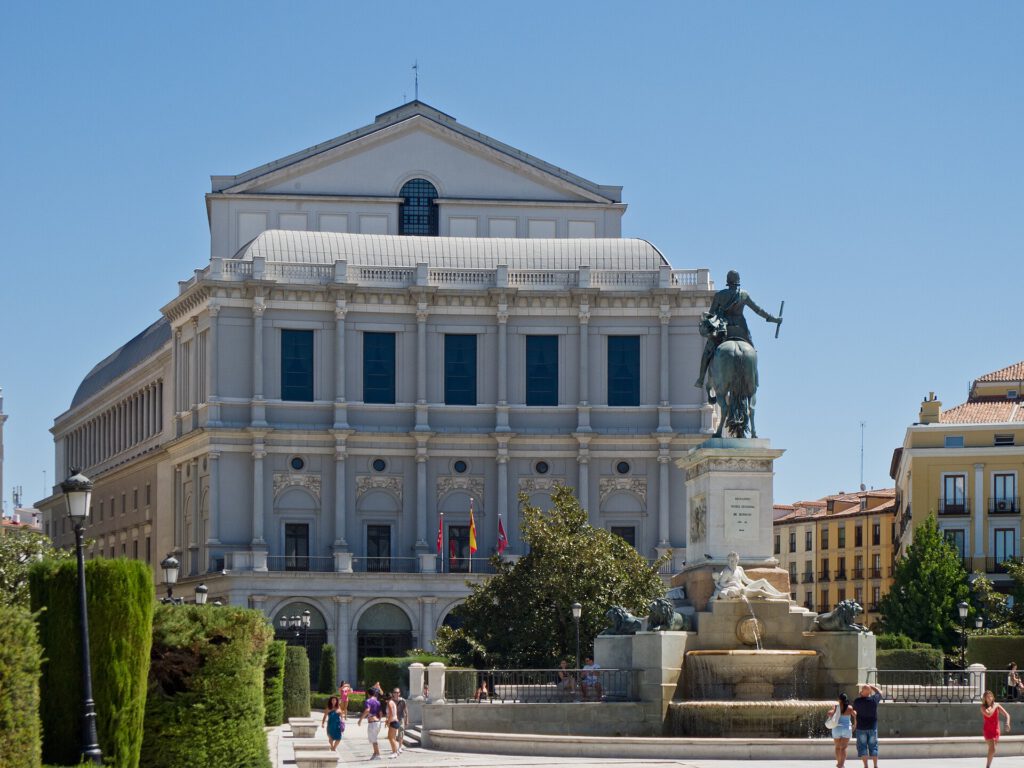
The Teatro Real, located just across from the Royal Palace, offers access behind the curtain. Visitors can explore the Royal Box and technical areas normally unseen by the audience. Opera lovers and curious travelers can experience the space before returning to the busy squares and cafés surrounding the theater.
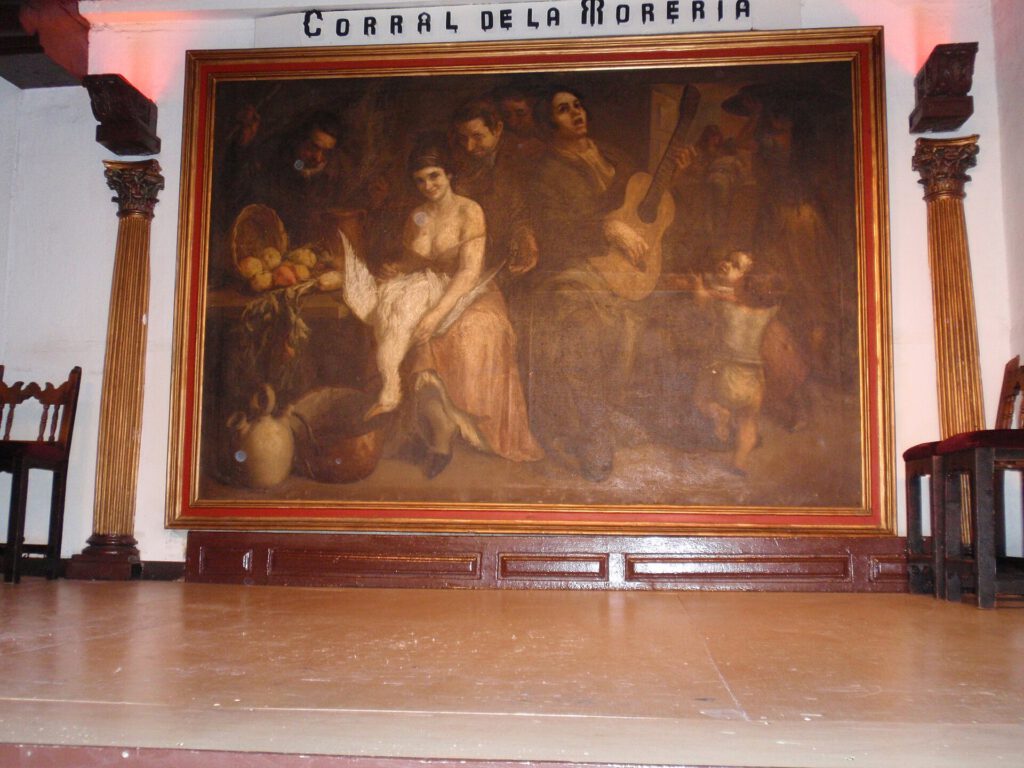
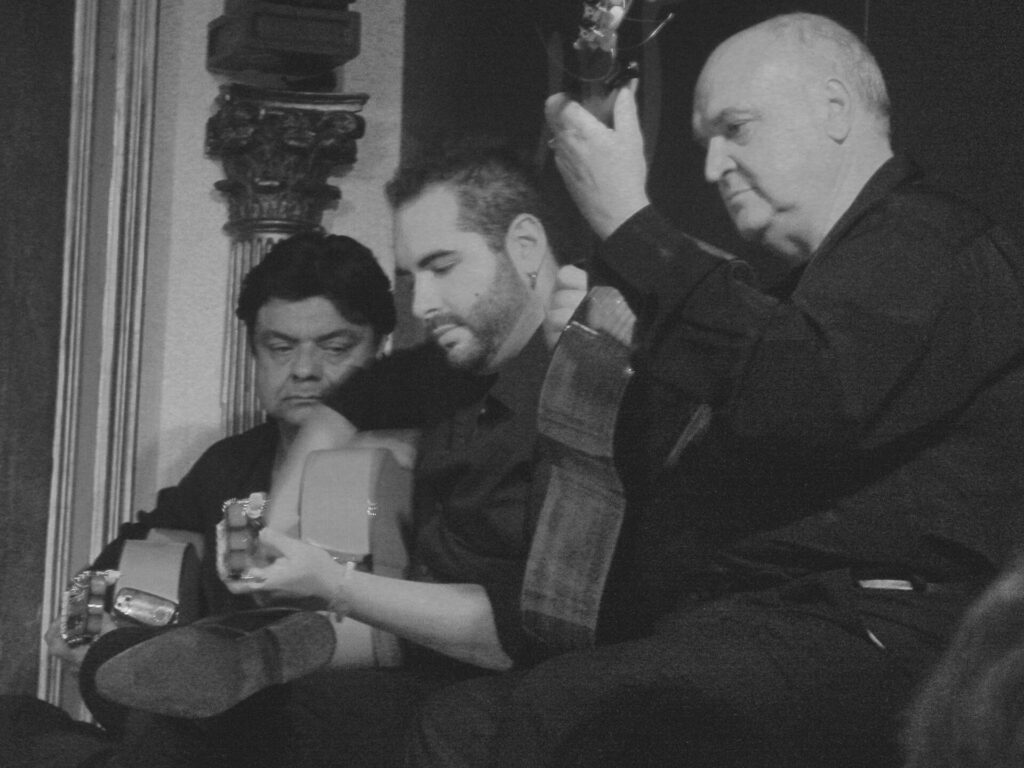
Flamenco performances provide an intimate cultural experience. At Corral de la Morería, the acclaimed tablao hosts performances just feet from dining tables. The venue pairs live flamenco with a Michelin-starred restaurant. The art form is expressed through guitar, voice, breath, hands, and the sudden percussion of shoes against wood.
Regional Heritage and Historic Towns
Cultural exploration extends to the wider region, where royal complexes and historic towns reveal deeper heritage. San Lorenzo de El Escorial, located northwest of the city, features granite architecture and severe geometry created under Felipe II. The Monastery of El Escorial’s Royal Library contains approximately 40,000 volumes and 600 incunabula. Its great frescoed hall is lined with historic bookcases, maps, globes, and scientific instruments.
In Buitrago del Lozoya, north of Madrid, the Museo Picasso, Colección Eugenio Arias tells a personal story. Eugenio Arias was born in the town and met Picasso in southern France in 1948 after fleeing Spain following the Civil War. Arias became Picasso’s barber and confidant for 25 years. The artist gave him drawings, prints, ceramics, and books. Arias brought the collection back to his hometown, where the museum opened in 1985.
Northeast of the capital, Alcalá de Henares is the birthplace of Miguel de Cervantes, author of Don Quixote. Its UNESCO-listed historic university features centuries-old courtyards and academic traditions that reflect the region’s literary and humanist history.
MadridBeats offers additional resources for discovering the city’s cultural richness and contemporary identity.
Source: Afar
