


Olayami Dabls, a multidisciplinary artist and cultural historian, has established the MBAD African Bead Museum as a central hub for creative engagement in Detroit. Located in the NW Goldberg neighborhood, the museum operates as a campus of murals and installations that reflect the city’s social culture. Dabls, who received the 2022 Kresge Eminent Artist award, describes the site as a place where art and community interaction merge.
“Visitors are coming here just to see the art, artisans, and entertainers,” Dabls said. “All of that is in full bloom.” His work aims to encourage friendly movement and communication among residents and guests alike.
The MBAD African Bead Museum Campus
Dabls began creating the MBAD Museum in 1994, following a 15-year tenure as the first curator and artist-in-residence at the Charles H. Wright Museum of African American History. The current site spans a block-long campus featuring diverse artistic expressions. Key installations include the 150-foot African Language Wall, a mosaic N’kisi House, and a bead gallery and shop.
One notable outdoor piece, Iron Teaching Rocks How to Rust, uses rebar, school desks, and mirrors to explore African American history. Visitors can explore the grounds independently or join staff-guided tours to learn about the storytelling behind the works. The museum serves as a starting point for understanding the broader artistic landscape of the area.
West Grand Boulevard and Local Culture
From the museum, a short walk east leads to Bishop Park, which hosts weekend entertainment such as the Kickball Classic in September. Dabls recommends using this area as a jumping-off point for West Grand Boulevard, known locally as “the Boulevard.” This thoroughfare connects several cultural landmarks and offers a soundtrack of techno and house music through WDET’s The Boulevard radio show.
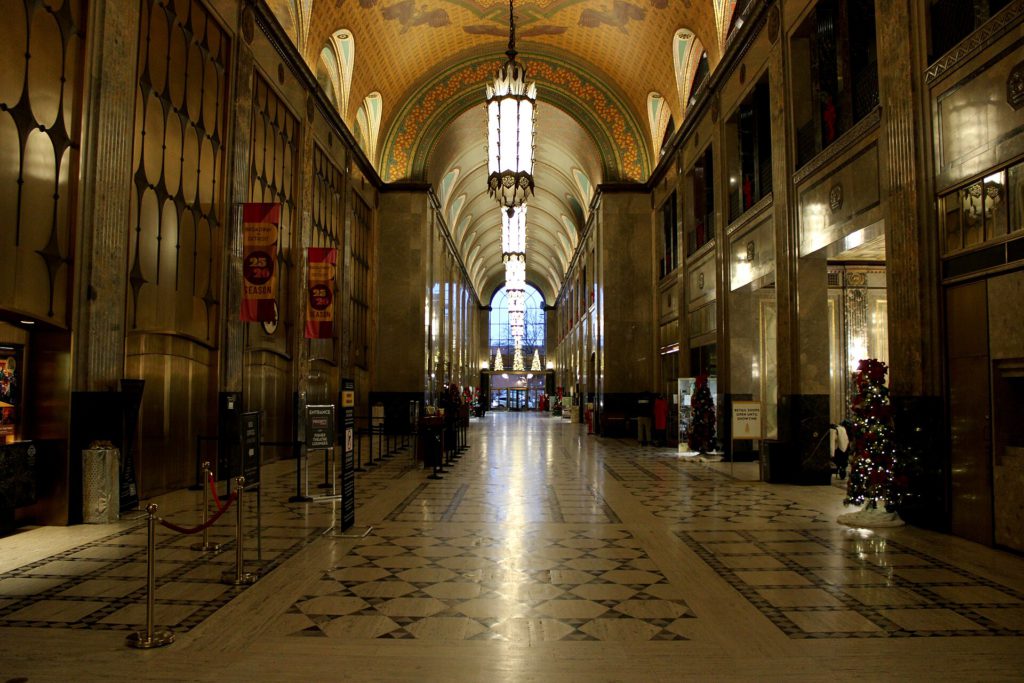
Cruising east along the boulevard, travelers pass the Motown Museum campus, which is currently undergoing a $75 million expansion scheduled to open in 2027. Nearby, the Fisher Building stands as a National Historic Landmark. Designed by architect Albert Kahn, the art deco structure features a three-story lobby with murals, marble, and brass. The building also houses the Peacock Room, which offers vintage and size-inclusive fashion.
West Grand Boulevard intersects with Woodward Avenue, home to the world’s first mile of concrete highway, poured in 1909. This area is also known for its dining options. Baobab Fare, founded by refugees from Burundi, serves East African cuisine and was nominated for a 2024 James Beard Award. Yum Village nearby offers Afro-Caribbean food with 85 percent of its ingredients sourced locally.
Public Art and Downtown Connections
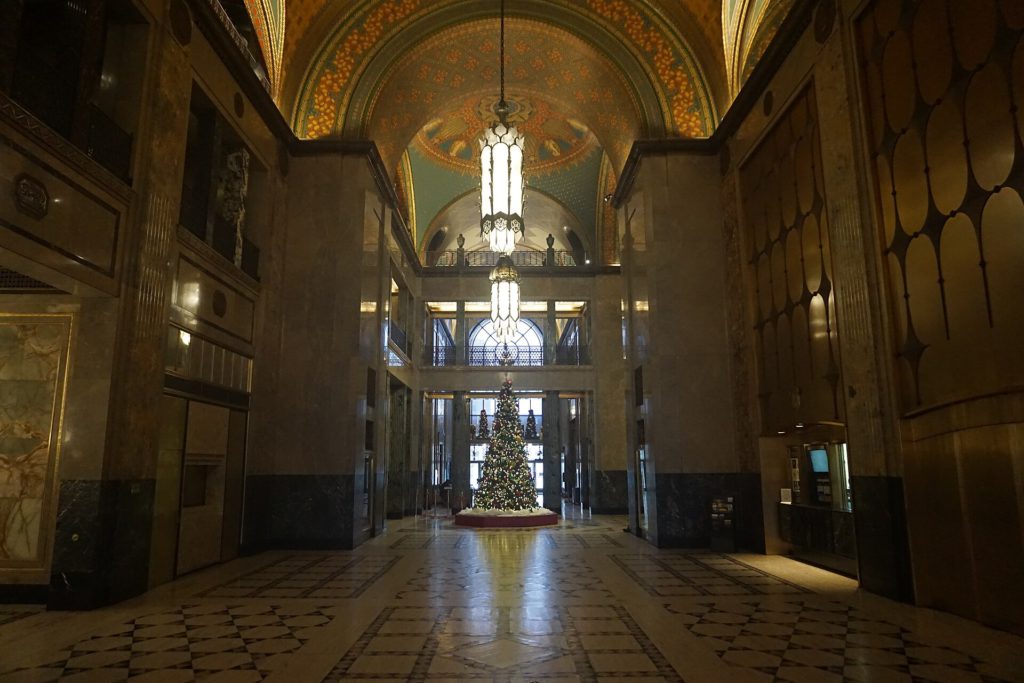
Heading south on Woodward Avenue leads to the Museum of Contemporary Art Detroit, which recently hosted a retrospective of Dabls’ work titled Detroit Cosmologies. Further toward downtown, the newly built Hudson’s Detroit building displays Dabls’ permanent mural, All Remains in View.
Dabls notes that Detroit is filled with places that encourage people to engage with each other, often with art in the background. For those interested in his public art specifically, an alternative route down Grand River Avenue to Warren Avenue features his Beads and Snake murals on adjacent walls. The artist suggests that the city itself is a treasure, with art carrying the energy that defines the visitor experience.
Source: Afar
