


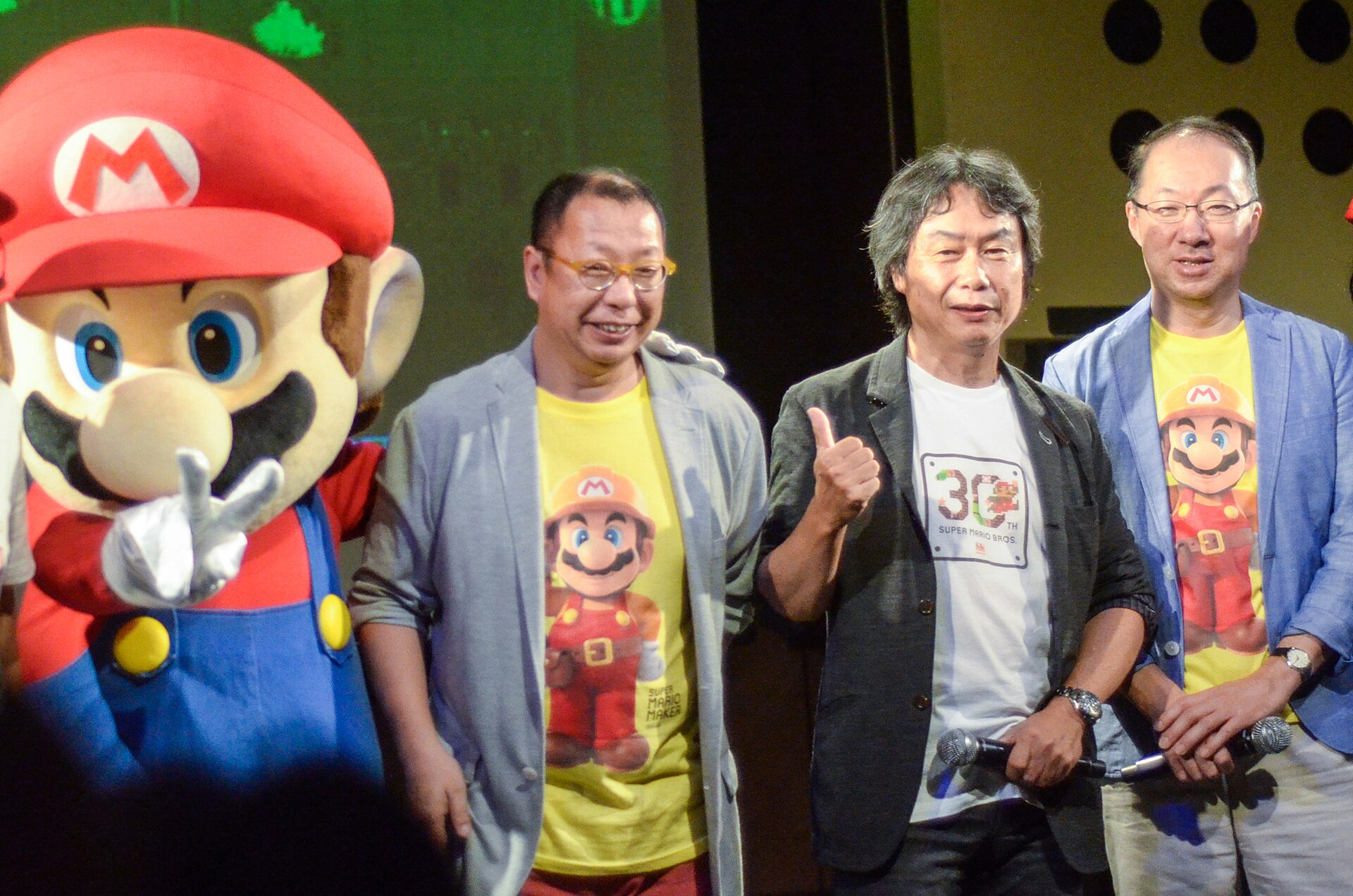
Nintendo co-creator Shigeru Miyamoto received the 2026 Order of Culture award from the Japanese government, a distinction typically reserved for artists, athletes, and Nobel Prize winners. The Ministry of Education, Culture, Sports, Science and Technology announced the honor, recognizing Miyamoto for his monumental contributions to franchises like Super Mario and The Legend of Zelda. During the subsequent press conference, the designer addressed the rapid evolution of creative tools, offering a historical perspective on how technology shapes artistic output.
Historical Context of Creative Tools
Miyamoto drew parallels between the current AI revolution and previous shifts in design technology. He noted that computers emerged around his generation, evolving from typewriters to word processors. In the past, specific technical skills, such as lettering for posters, defined a designer. Translating overseas designs and laying them out was sufficient to claim the title. As computers allowed users to copy, paste, and import images easily, the technical barriers lowered. This shift forced individual design abilities, like a sense of layout, to become the primary differentiator.
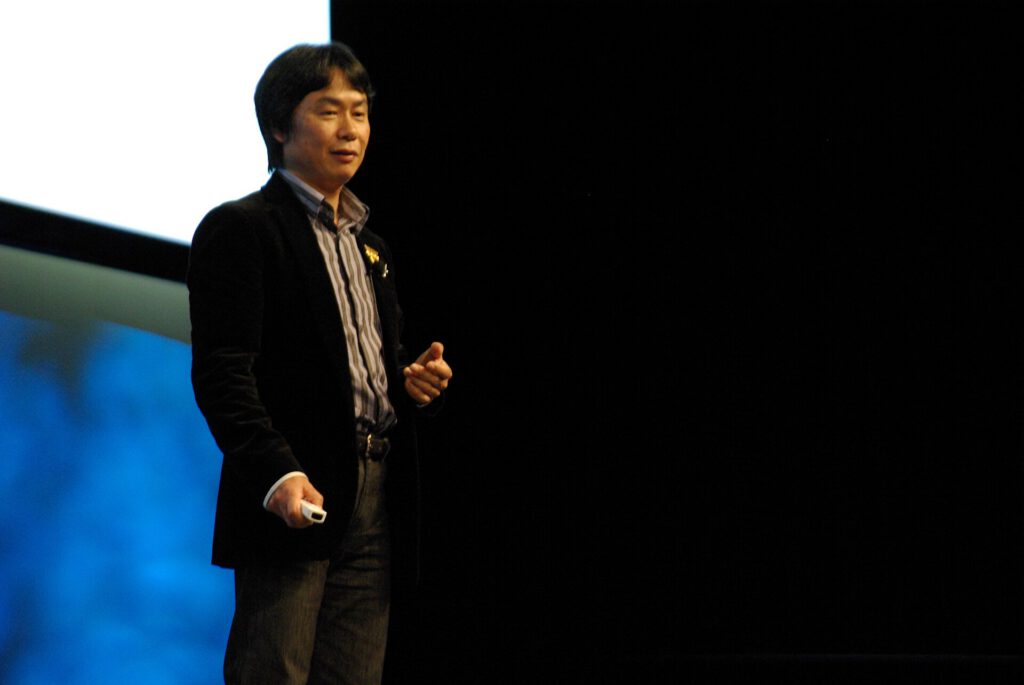
He illustrated this point with a personal anecdote. He recalled a time when a husband might be considered the designer in a household, while the wife handled domestic duties. However, as tools became more accessible, the wife often demonstrated superior design abilities simply because the technical hurdles had vanished. Miyamoto used this example to explain how tools change the landscape of creativity, allowing more people to participate in the process.
The Illusion of Creation
When asked about artificial intelligence, Miyamoto acknowledged its potential to lower barriers for both players and developers. He has spent his career trying to make game development accessible to non-gamers. However, he expressed concern about the psychological impact of AI-generated content. He stated that while the work itself is enjoyable and provides a sense of satisfaction, users often mistake this feeling for genuine creation.
“This is the tricky part; the work itself is enjoyable,” Miyamoto said. “When you’re working, you get a tremendous sense of satisfaction from ‘creating’ something. But the scary thing is that you become so satisfied with the work that you mistakenly think, ‘I’ve made something pretty good.'” He compared this to past instances where designs were created simply by copying and pasting. He questioned whether such works last forever, suggesting that true longevity requires more than just assembling existing elements.
Despite these concerns, Miyamoto remains hopeful. He believes human intention will remain at the heart of creativity. “I think there is still plenty we can do,” he declared. His perspective is informed by a long career in the industry, including his testimony in the 1983 case against Universal, the proprietors of King Kong. This historical context underscores his deep understanding of intellectual property and the value of original creative effort.
Source: Polygon
