


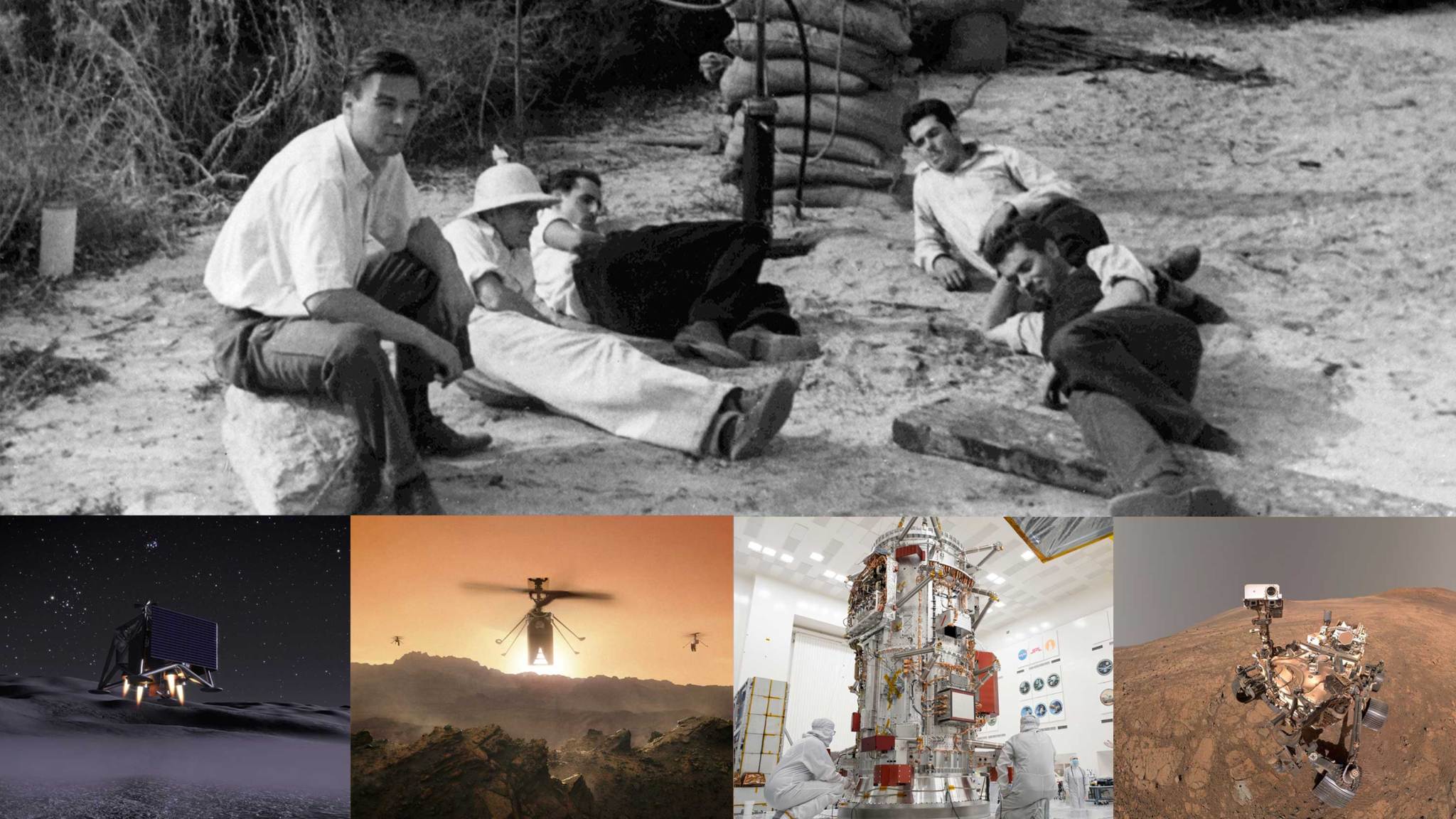
NASA’s Jet Propulsion Laboratory (JPL) is marking 90 years since its founding, a milestone that traces back to a group of Caltech graduate students conducting rocket-propulsion tests in Pasadena’s Arroyo Seco on Oct. 31, 1936. What began as an amateur experiment has evolved into a premier center for robotic space exploration, now managed by Caltech for the agency.
From Army Contractor to Space Pioneer
JPL’s early history is defined by rapid technological leaps. Initially serving as a contractor for the U.S. Army, the lab launched America’s first satellite, Explorer 1, in 1958. Unlike the Soviet Union’s Sputnik, which primarily orbited Earth, Explorer 1 carried a Geiger counter that discovered the radiation belts surrounding our planet, marking the first time a spacecraft conducted scientific research in space.
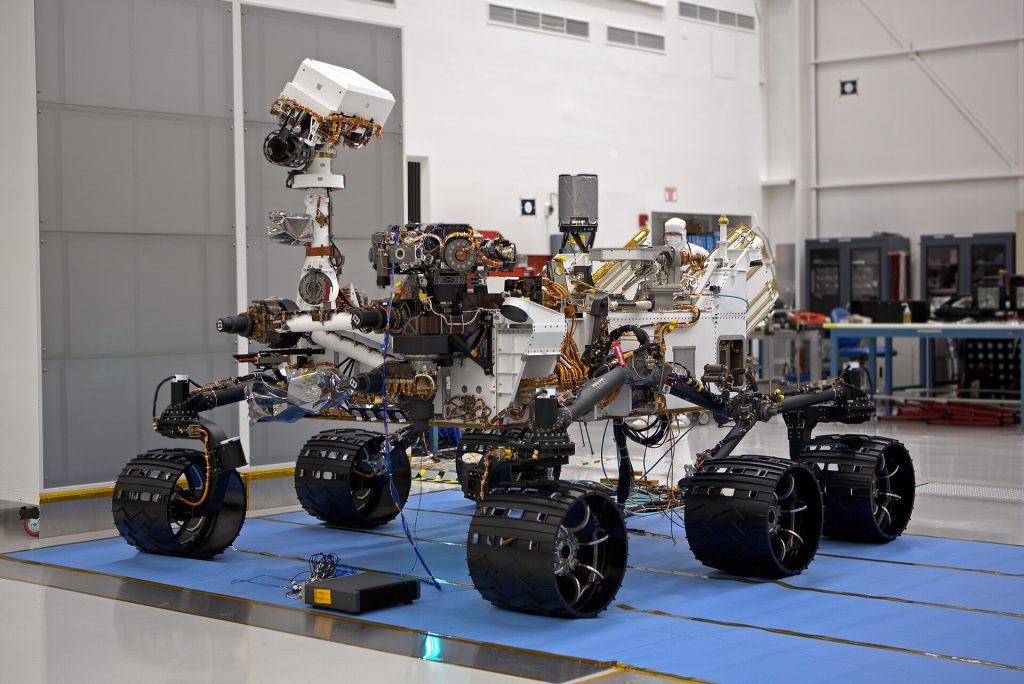
The lab joined the newly formed NASA later that year. Within six years, it sent Ranger 7 to the Moon in 1964, the first U.S. mission to achieve this feat. Over the decades, JPL has led numerous firsts, including the first planetary flyby, the first probe to visit all four gas giants, the first infrared telescope, and the first rovers and rotorcraft to operate on Mars.
“Over the course of 90 years, JPL’s first-of-a-kind missions have transformed our understanding of the universe and our place in it,” said Dave Gallagher, JPL’s director since 2025. Gallagher, who joined the lab as an engineer in 1992, led the team that built the Wide-Field and Planetary 2 Camera for the Hubble Space Telescope, which produced many of the mission’s most iconic images.
Upcoming Mars and Earth Science Missions
Looking ahead, JPL is preparing for a series of ambitious launches. The SkyFall mission, targeted for a 2028 launch, will deploy three helicopters during Mars descent to map hidden ice deposits and analyze weather patterns. This builds on the success of the Ingenuity helicopter. Also slated for 2028, the MoonFall mission will land large propulsive drones at the lunar South Pole to support NASA’s Moon Base development.
Other near-term projects include SunRISE, a 2027 launch featuring six toaster-oven-sized satellites that will form a miles-wide radio antenna to study solar activity. The NEO Surveyor mission aims to detect potentially hazardous near-Earth objects that other telescopes might miss, allowing NASA to provide threat assessments. Closer to home, JPL is developing instruments to monitor Earth’s water movement, tropical storm formation, and air pollution impacts on human health.
The lab also contributes to the NISAR joint mission with the Indian Space Research Organisation, which uses synthetic aperture radar to track surface changes related to natural disasters. Additionally, JPL’s Microdevices Laboratory, known for inventing the “camera on a chip” technology used in cellphones, is developing detectors for the PRIMA mission to study far-infrared radiant energy.
Voyager Reaches New Distance Milestone
The 90th anniversary coincides with a significant milestone for the Voyager program. On Nov. 18, Voyager 1 will reach a distance of one light-day from Earth, approximately 16 billion miles or 26 billion kilometers. The spacecraft, which turns 50 next year, relies on NASA’s Deep Space Network, developed by JPL during the Apollo era, to communicate.
Ed Stone, who led the Voyager mission for 50 years and served as JPL’s director for a decade, passed away in 2024. Before his death, he noted that exploring regions never before visited means “every day is a day of discovery.” Caltech President Ray Jayawardhana emphasized that the spirit of daring that started in a dry riverbed continues to drive NASA’s priorities and inspire humanity.
Source: NASA
