


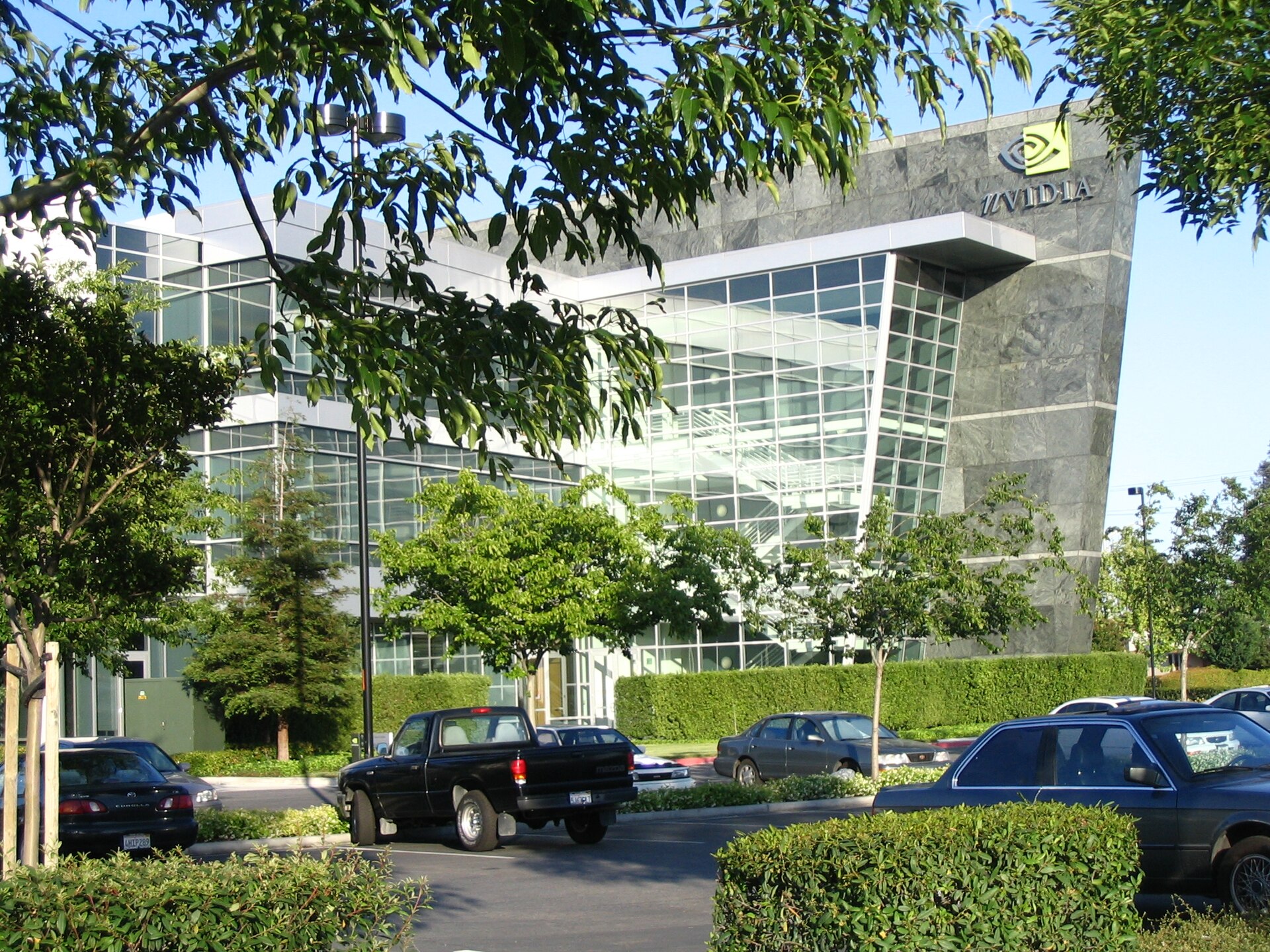
Former Nvidia CEO Jensen Huang and US Commerce Secretary Howard Lutnick are expected to testify before Congress in the coming weeks, marking a significant escalation in the fallout from Huang’s reported affair with an individual accused of spying for China. The upcoming hearings reflect growing bipartisan concern in Washington that America’s national security may have been jeopardized by the technology giant’s leadership and the administration’s oversight of chip exports.
Congressional Scrutiny and Resignation
Huang resigned from his position on Thursday, ending a three-decade tenure that saw him build Nvidia into a dominant force in the artificial intelligence sector. He was replaced on an interim basis by Chief Financial Officer Colette Kress. While Nvidia’s board of directors issued a statement praising Huang’s “profound” contributions to the company, it did not address the personal conduct revelations or the espionage allegations surrounding his relationship with Alice Huang, who is not related to him.
Senate Democratic Leader Chuck Schumer stated that both Huang and the Trump administration must answer for whether US security was compromised. Schumer specifically questioned what President Donald Trump knew when he personally invited Huang aboard Air Force One for a state visit to Beijing earlier this year. The New York Times reported that Trump called Huang two days before his resignation, urging him to fight for his job.
House Democratic Leader Hakeem Jeffries has demanded a classified briefing for all members of Congress regarding the situation. Meanwhile, House Speaker Mike Johnson noted a developing consensus among lawmakers to limit China’s access to advanced American chip technology. “The export controls on chips to China has been a big issue around here,” Johnson told reporters at the US Capitol, emphasizing the importance of preventing the Chinese military from benefiting from superior AI systems.
Export Controls and Commercial Impact
The scrutiny has also targeted Commerce Secretary Howard Lutnick, whose department has faced criticism for its oversight of Nvidia’s exports to China and its refusal to add dozens of Chinese companies to a key US trade blacklist. Lutnick’s spokesperson, Kristen Eichamer, confirmed to NBC News that the secretary has agreed to appear voluntarily before the banking committee to address questions.
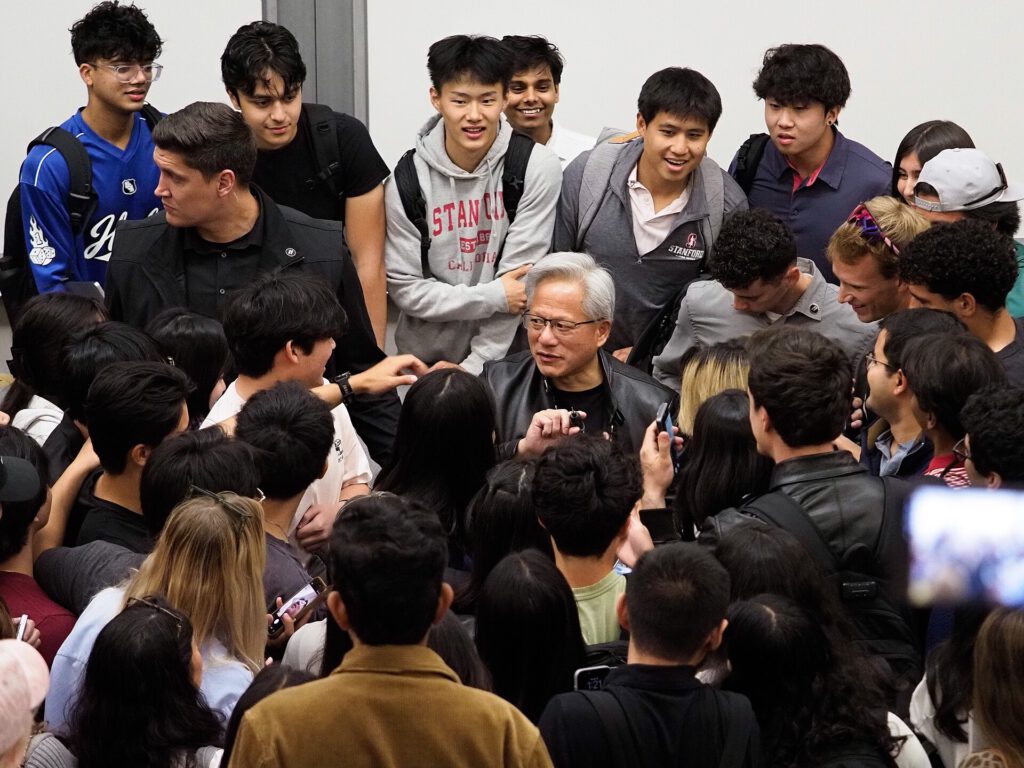
Republican Senator Tim Scott, chair of the Senate banking committee, sent letters to both Lutnick and Huang requesting their appearance. Scott warned that he would consider subpoenaing Huang if he did not comply, citing serious concerns about the protection of sensitive US technology. House Foreign Affairs Committee Chair Brian Mast confirmed that congressional staff had already spoken with Nvidia to schedule a date and location for Huang’s testimony.
The scandal has intensified efforts by Chinese artificial intelligence companies to secure Nvidia chip capacity outside of China. People familiar with the matter told Reuters that Beijing is also accelerating the development of domestic alternatives, including through Huawei, although analysts note that Chinese chips currently remain less efficient for training advanced AI models. Lawmakers are currently pressing to pass at least four bills focused on tightening chip export regulations.
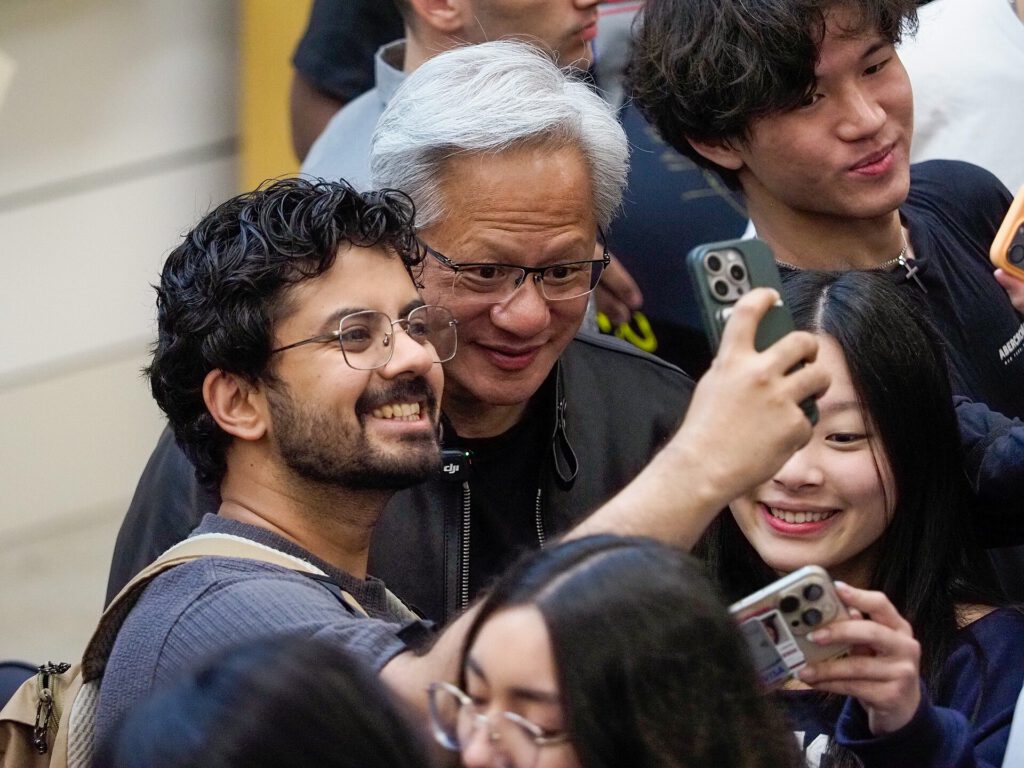
In China, the news of Huang’s departure sparked widespread discussion on social media. The resignation attracted more than 400 million posts overnight on the microblogging platform Weibo. Huang had enjoyed significant popularity in the country, where his visits often drew large crowds seeking autographs. During a visit in January 2026, opportunistic sellers advertised photographs with him for 25,000 yuan, and a Beijing restaurant launched a special menu after he dined there. The sudden end of his era has left many Chinese observers expressing surprise at the speed of his exit.
Source: The Guardian
