


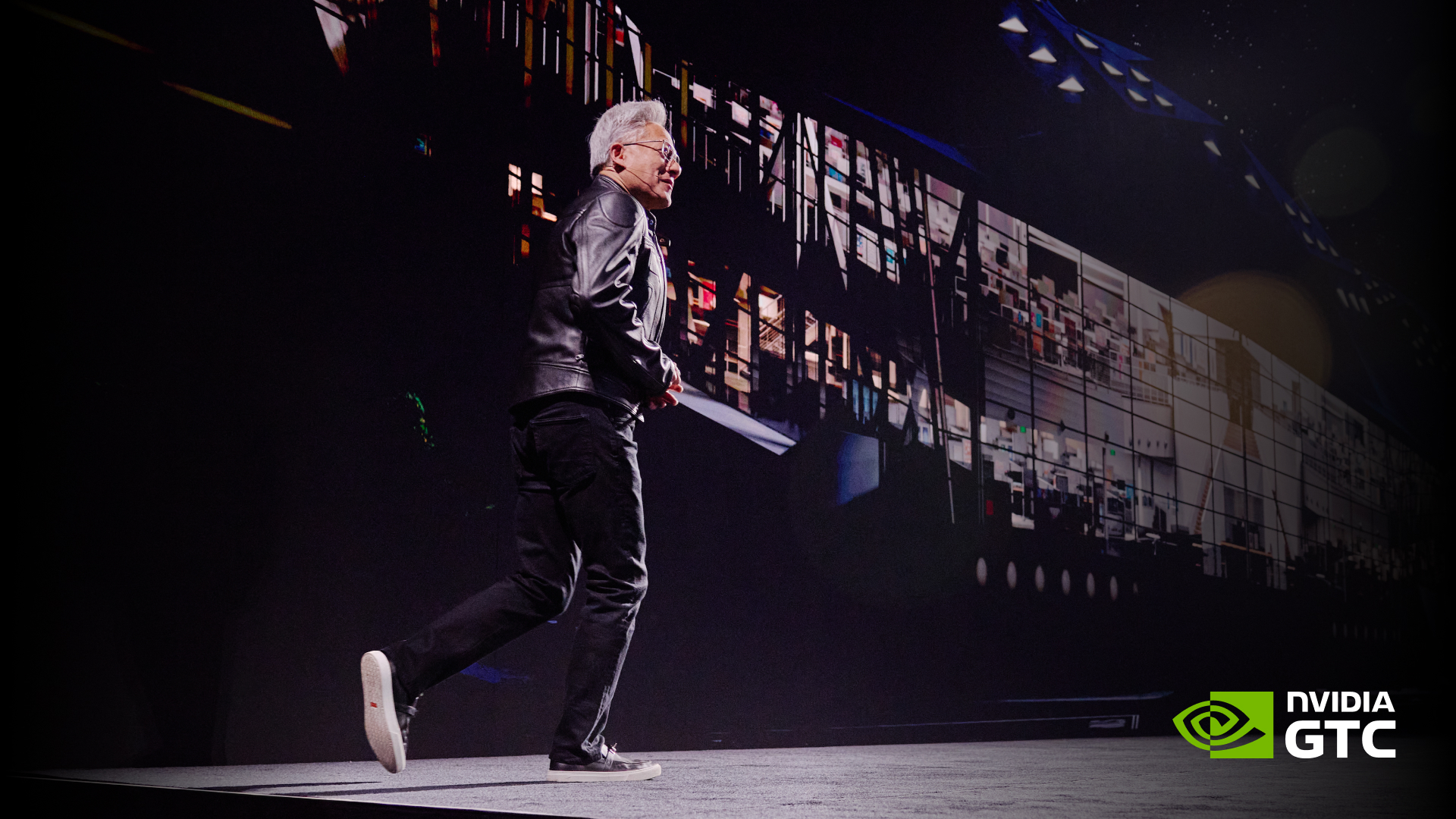
The Tempodrom, a venue founded in a tent near the Berlin Wall in 1980, has long hosted concerts and political galas. This week, it serves as the stage for a different kind of spectacle. NVIDIA founder and CEO Jensen Huang took the podium at GTC Berlin to outline what he described as the beginning of a new industrial revolution driven by artificial intelligence.
Huang opened his address by listing major European corporations, including L’Oréal, Revolut, Spotify, Merck, Vodafone, Zara, Porsche, Nestlé, and HSBC. He noted that these companies share a common thread: they are all actively working with NVIDIA to integrate AI into their operations. This keynote follows a week-long roadshow across Paris, London, Stockholm, and Dublin, where the company has been engaging with local technology ecosystems.
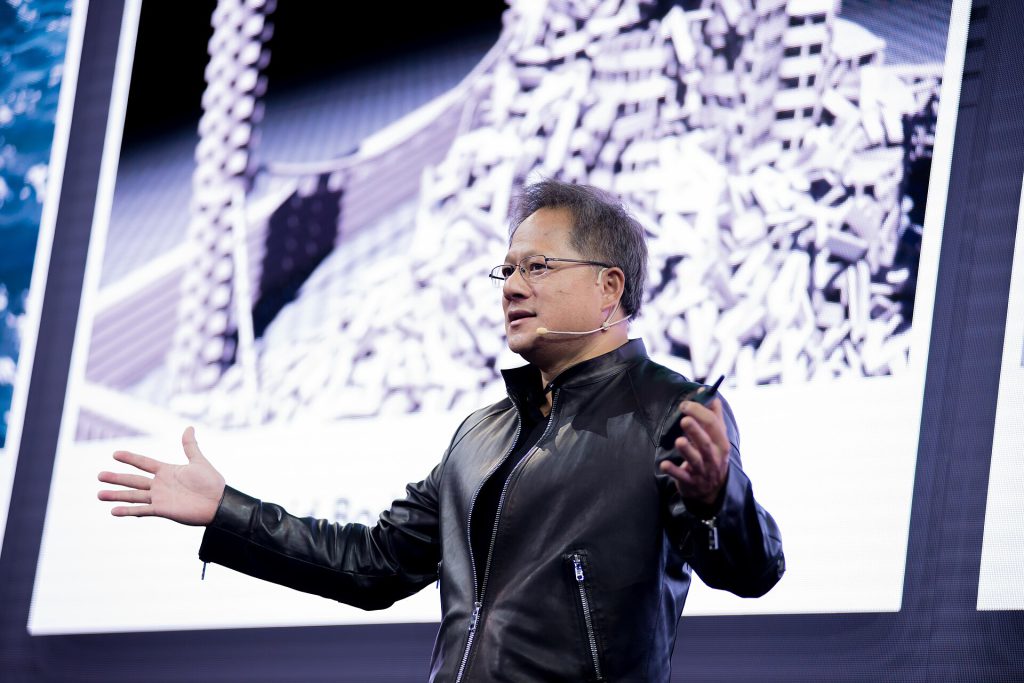
NVIDIA GTC Berlin Investment and Partnerships
During the European tour, NVIDIA committed nearly $10 billion to the technology ecosystem across the continent. The company stated it is currently working with more than 12,000 partners. Huang emphasized that this financial commitment is not merely about sales, but about building the foundational capabilities required for widespread AI adoption.
“After decades of advancement in the computer industry, we are now at the beginnings of a new industrial revolution,” Huang said. He argued that to participate in this emerging economy, European entities must move beyond simply consuming AI tools. Instead, he urged them to focus on producing AI, leveraging the infrastructure NVIDIA provides to generate their own digital intelligence.
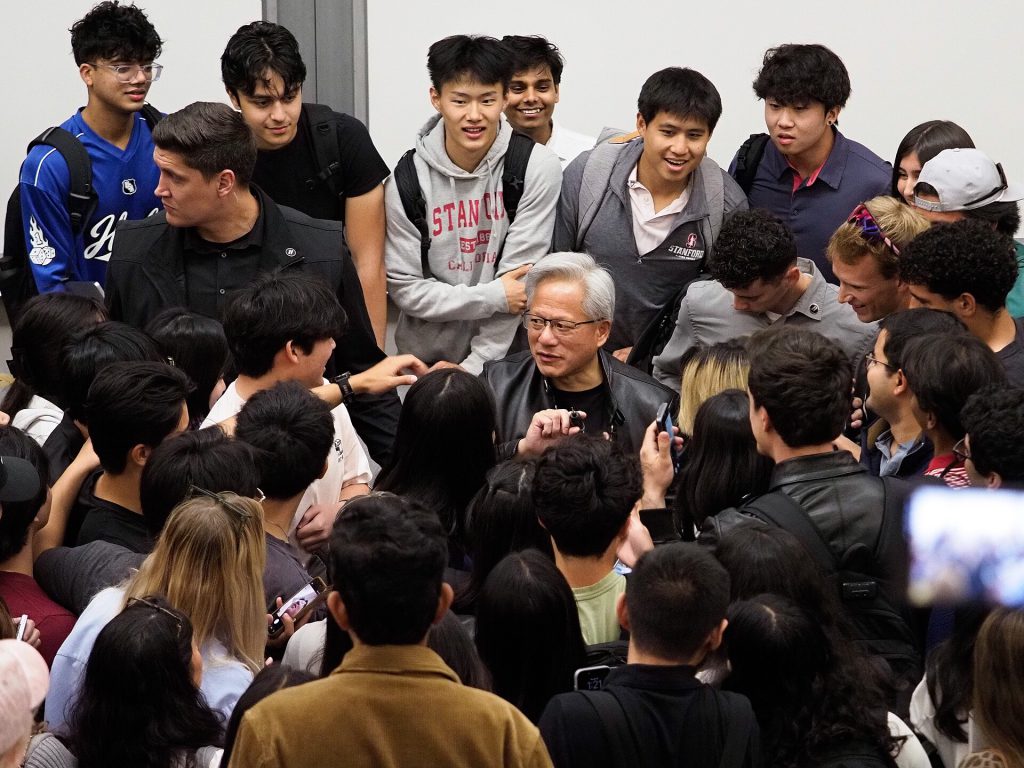
The Five-Layer AI Infrastructure Model
A central theme of the keynote was Huang’s explanation of AI as a “five-layer cake.” He broke down the architecture required to support modern AI workloads, starting with energy, which powers the advanced computers that form the AI factory. These factories generate tokens and digital intelligence from models, which are then integrated into every application.
Huang drew parallels to historical technological shifts, noting that the internet required networking infrastructure and electricity required a grid before it could be widely used. He stated that long before AI models emerge, the underlying infrastructure must already exist. “To be part of this AI economy, you don’t want to just be consuming the AI; you want to be producing the AI,” he said, adding that NVIDIA has already started this work in Europe.
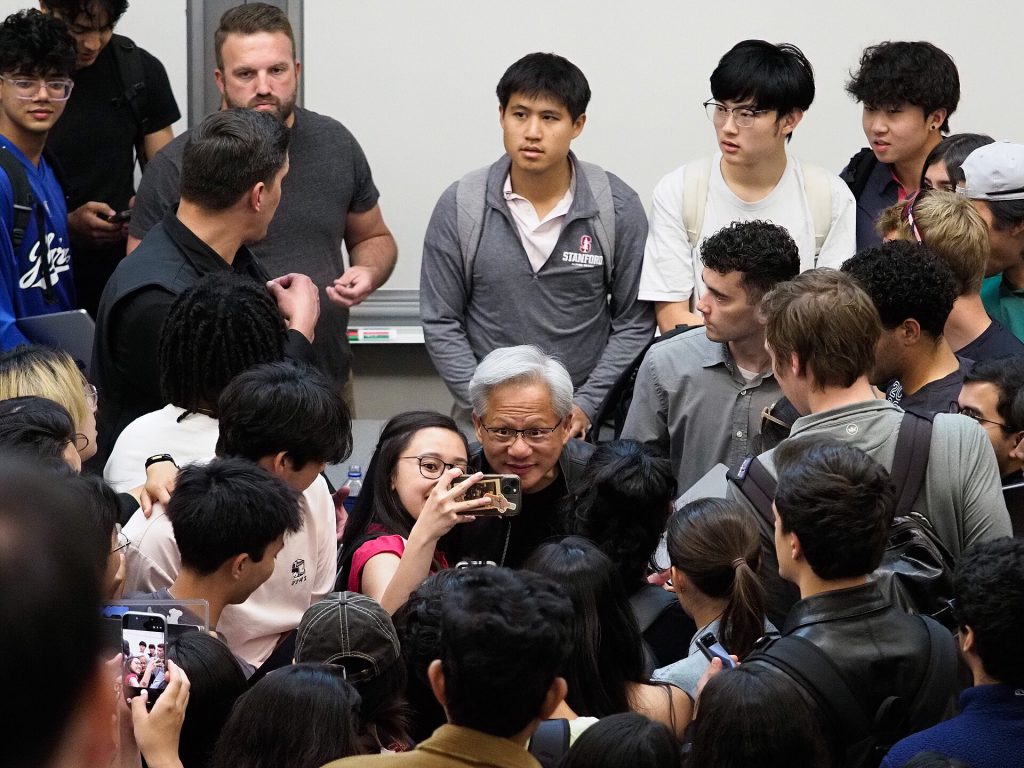
While the keynote focused on high-level strategy, the broader GTC Berlin event continues across the street at STATION-Berlin. The three-day conference features more than 100 sessions covering agentic AI, robotics, physical AI, open models, and accelerated computing. Journalists, analysts, and partners are gathered to explore these technical developments alongside the strategic announcements made by Huang.
Source: NVIDIA
