


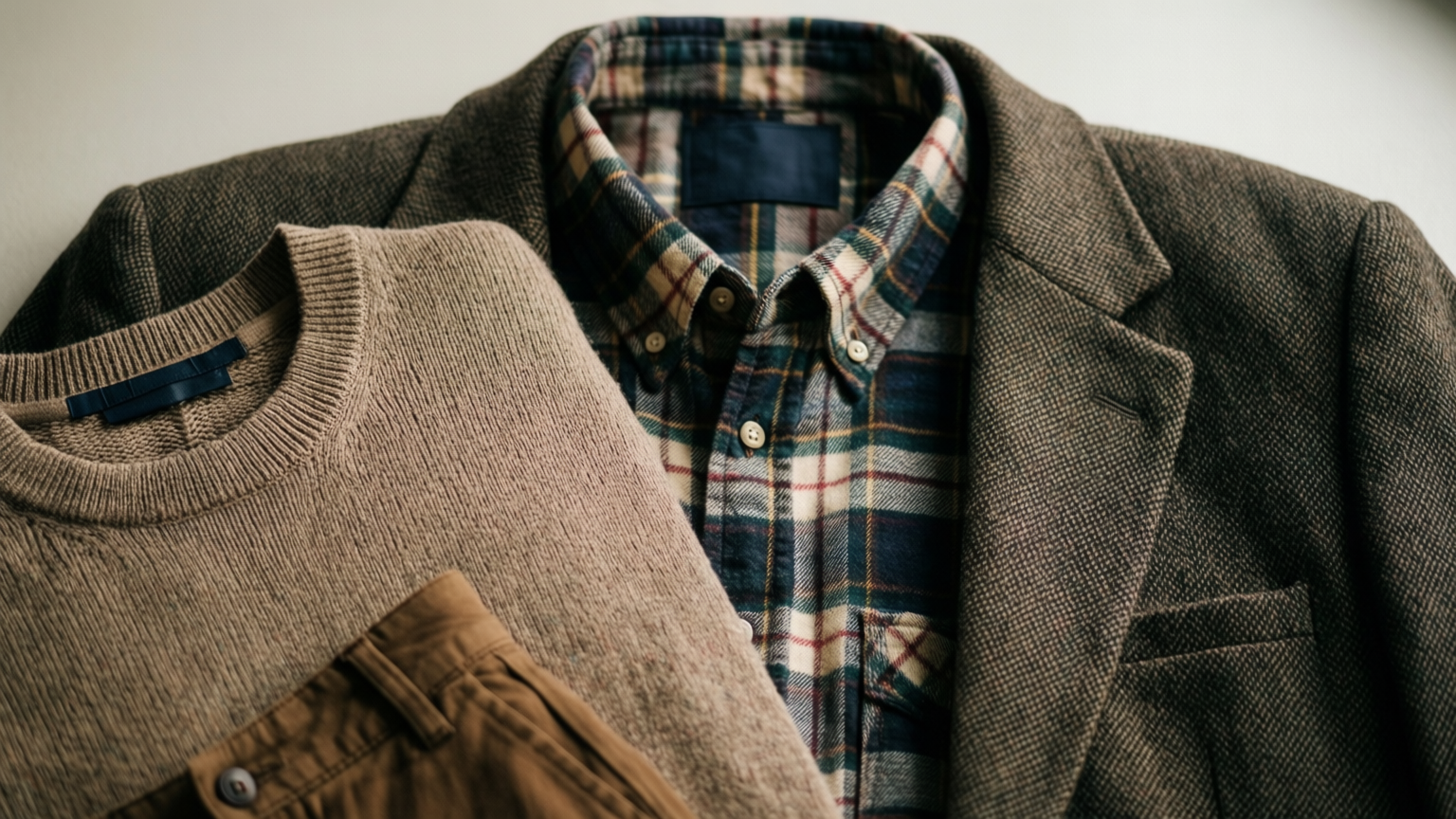
As temperatures drop across the UK, the instinct is often to reach for the heaviest coat in the wardrobe. However, fashion experts suggest a more refined approach that delays the need for bulky outerwear. The method, known as onion dressing, focuses on stacking fine layers rather than wearing one thick garment. This technique allows for temperature regulation and visual depth without the bulk of traditional winter gear.
The Art of Fine Layering
Onion dressing is defined by the visibility of each individual piece. Unlike standard layering where the outermost garment hides everything beneath it, this style ensures that hems, collars, and cuffs remain visible. The goal is to create a cross-section of fabric that adds texture and color to an outfit. This approach transforms a practical necessity into a deliberate style statement.
The concept draws inspiration from traditional outdoor clothing but adapts it for urban environments. It starts with a fine, breathable base layer. A crew neck or polo neck provides warmth without overheating. The neckline is critical because it will be on display, so it must look neat and intentional. This foundation keeps the wearer comfortable without the sweat associated with thick, non-breathable materials.
Over the base layer, a middle piece adds insulation and style. Options include a plaid shirt, a plain cotton button-down, or a lightweight cardigan. The key is to choose items that are thin enough to layer but substantial enough to provide warmth. This middle layer bridges the gap between the skin and the outer shield, creating a balanced thermal system.
Managing Unpredictable Weather
Autumn weather is often chaotic, with conditions shifting rapidly from cold drafts to stuffy indoor heating. Onion dressing provides a solution for these fluctuations. By wearing multiple thin layers, a person can easily add or remove clothing as they move between different environments. This flexibility is particularly useful for commuters who face cold train carriages and overheated offices.
The outer layer acts as a shield rather than the primary source of warmth. A blazer, chore jacket, or puffer vest can be removed quickly when indoors. This strategy also extends the life of heavier coats. By relying on layered outfits for early winter, individuals can save their bulky coats for the coldest months of January and February. This prevents the common issue of growing tired of a single heavy garment too early in the season.
Stylistic flair is essential to avoid a utilitarian look. The outfit should not resemble outdoor survival gear. Instead, it should demonstrate an eye for color and texture. Contrasting fabrics and pops of color elevate the ensemble. Sleeveless options for the middle or top layer can prevent the feeling of being restricted, ensuring the wearer remains comfortable and mobile.
Ultimately, this method turns the daily task of getting dressed into a creative exercise. It encourages the use of existing wardrobe items in new combinations. By focusing on proportion and detail, onion dressing offers a sophisticated way to stay warm while maintaining a polished appearance throughout the autumn season.
Source: The Guardian
