


Ships navigating the Strait of Hormuz face some of the most hazardous conditions in global maritime trade. Despite support from the US Navy, vessels continue to encounter threats, including missiles, drones, and underwater mines. The presence of these mines creates a significant risk for passing ships, as modern devices can detonate upon detecting acoustic or magnetic signals, potentially breaking the keel of a large vessel.
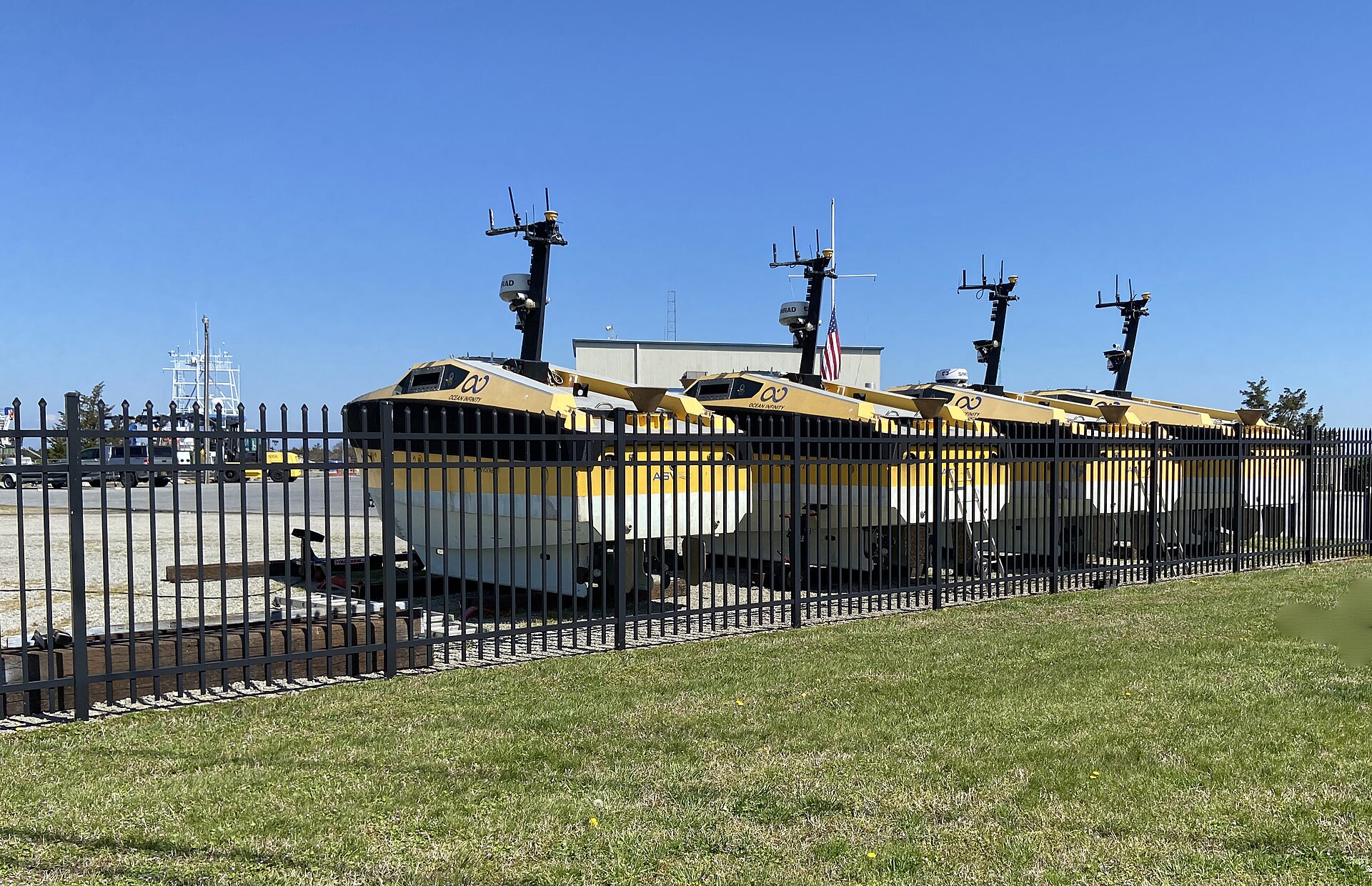
To address this danger, navies are increasingly turning to robot mine hunting systems. These autonomous platforms allow specialists to conduct dangerous searches from the safety of shore-based control centers. This shift reduces the need for large crews on traditional mine-hunting ships, which typically require around 80 sailors. Autonomous systems can be operated by a much smaller team, often just 20 personnel working in shifts on land.
Autonomous Systems in the Gulf
The use of unmanned technology in mine warfare is not new. During the 2003 Iraq war, the US Navy deployed the Remus 100, a torpedo-shaped robot that used sonar to search the seabed at depths of up to 100 feet. This technology spared human divers from performing difficult and dangerous tasks.
Current conflicts in the Gulf are testing more advanced capabilities. In early September, Iranian forces captured an uncrewed US autonomous submersible in the waters of the Strait of Hormuz. The Pentagon stated that the device, an Extra Large Uncrewed Underwater Vehicle (XLUUV) developed by Anduril, was an older model without classified equipment. Naval analysts noted that the capture of a robot is far less significant than the potential loss of human sailors.
NATO navies are cautious about sharing details on how these systems protect sensitive data. Computer drives on captured vessels can be wiped or destroyed remotely, a measure that may have been triggered in the seized XLUUV. This ability to eliminate classified information is a key feature of modern uncrewed assets.
AI and Sonar Technology
Advanced systems like the Thales Uncrewed Surface Vehicle (USV) are being developed through cooperation between French defense group Thales and the Royal Navy. These vessels carry sensors designed to detect mines using sonar technology originally developed for the oil and gas industry.
The USV tows a rectangular box roughly 5 meters long, which resembles a large torpedo. This device captures high-resolution images of the seabed and creates a 3D picture refined by artificial intelligence. The software is programmed to identify objects that resemble mines, even when they are designed to blend into their surroundings.
Steve Prest, a former fleet robotics officer for the Royal Navy, explained that while robots cannot prove with absolute certainty that no mines are present, they significantly reduce risk. He noted that US robot minehunters can either detonate a discovered mine or mark its location to allow ships to avoid it. Prest emphasized that these systems are most effective when integrated into a broader network where data is shared in real time.
Experts argue that the psychological impact of the mine threat is a major factor in maritime operations. Neil Roberts of Lloyd’s of London noted that fear of the unknown is the most potent aspect of the threat. While the US claims to have cleared certain routes and shipping levels have returned to about 75 percent of pre-conflict levels, the uncertainty remains. Autonomous systems are now the primary tool used to confront this fear and keep global trade moving.
Source: BBC
