


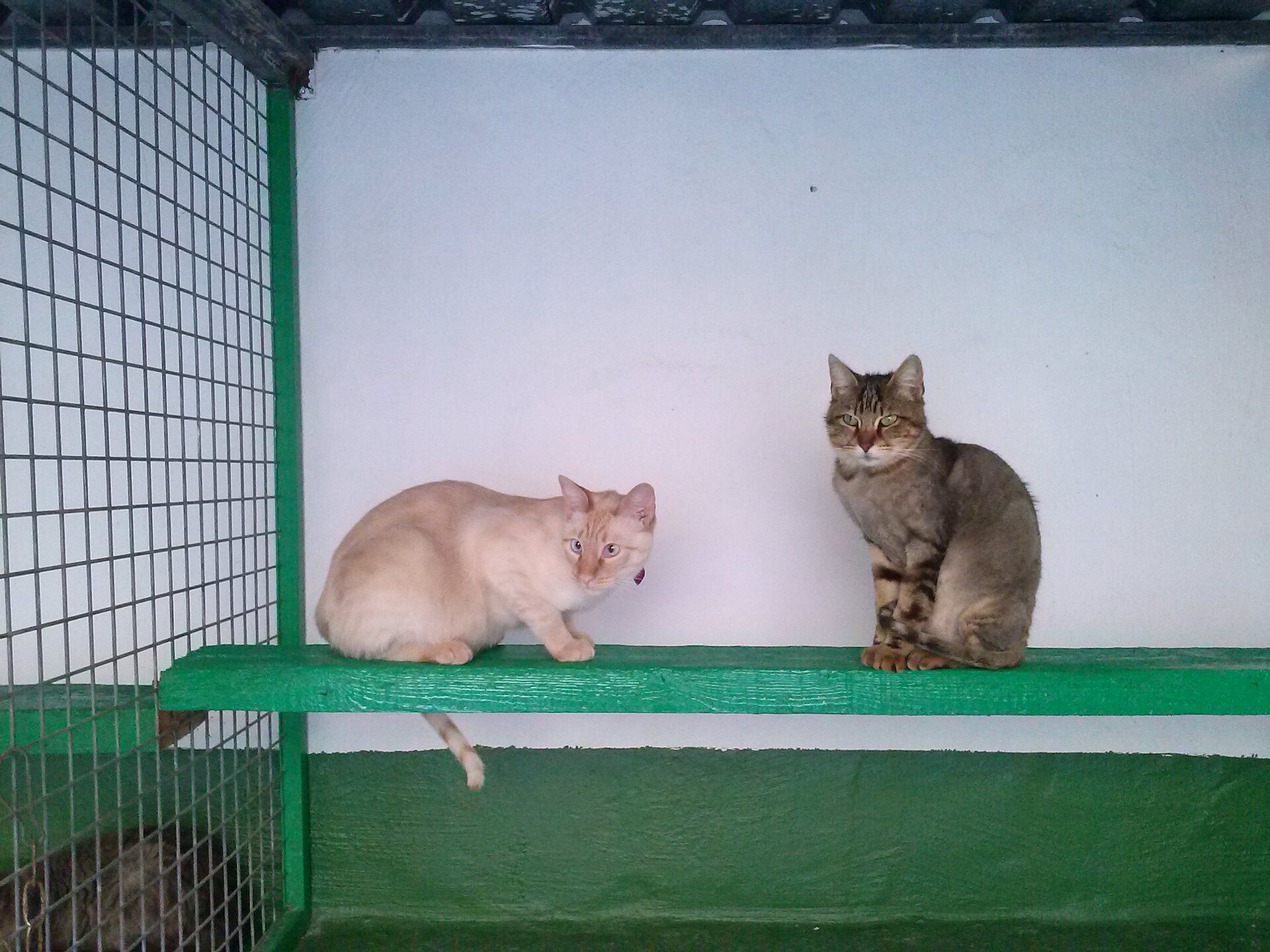
The Royal Society for the Prevention of Cruelty to Animals (RSPCA) is grappling with a severe capacity crisis, as the number of cats entering its care has surged beyond the organization’s ability to rehome them. The charity reports that felines now outnumber dogs in its shelters, creating a bottleneck that threatens the welfare of both incoming animals and those already in residence.
According to the RSPCA, approximately 20,000 cats were taken into care last year. This figure represents a significant increase driven by multiple factors, including a rise in pet hoarding incidents and a lack of neutering among pet owners. The charity is now urging residents across England and Wales to consider adopting adult cats or fostering kittens to alleviate the pressure on its facilities.
Surge in Hoarding and Unplanned Litters
A major driver of this influx is the growing prevalence of pet hoarding. In 2025, the RSPCA responded to 1,780 incidents involving ten or more cats at a single address. This represents a nearly 65 percent increase compared to the previous year, with more than 36,000 cats rescued from these conditions. These large-scale interventions require substantial resources and space, further straining the charity’s operational capacity.
Beth Clements, the RSPCA’s assistant director of animal services, highlighted the relentless nature of the current trend. She noted that the charity is taking in an average of 624 cats each month across its 14 national centres and private boarding establishments. This figure excludes the additional numbers managed by the independent local branch network, which adds to the overall burden.
Clements emphasized that the situation is not slowing down. The charity is particularly keen to find homes for adult cats, who are often overlooked in favour of kittens. These older animals may require experienced, patient owners or slightly alternative living arrangements to help them settle into a new life.
Historical Trends and Future Projections
Data from the RSPCA shows a consistent upward trajectory in cat intake since 2021. In that year, the charity welcomed 4,436 cats into its 14 animal centres. By last year, that number had risen to 6,408. As of October this year, 5,616 cats had already been taken in, suggesting that the annual total will likely exceed last year’s record.
The peak of the cat breeding season has just concluded, which typically leads to an influx of stray kittens. This seasonal pattern, combined with the ongoing issues of neglect and hoarding, means that the RSPCA expects the number of cats in care to increase further in 2026.
Jo Rowland, the chief executive of the RSPCA, described the current state of affairs as a heart-breaking situation that is also affecting other animal charities and rescue centres across the country. She stated that there are simply more animals in care than there is space available in centres and branches.
Rowland called for immediate help from animal lovers. She urged those who cannot adopt to consider fostering, which is crucial for the charity’s operations as it runs out of physical space. The RSPCA is currently working to increase its number of foster carers and modernize its rehoming process to get animals into loving homes sooner.
Source: The Guardian
