


Screen Size and Viewing Distance
Choosing the correct television size requires balancing physical space with viewing habits. Samsung recommends a viewing distance of approximately 1.2 times the screen size in centimeters to achieve a comfortable 40-degree field of view. This formula helps ensure an immersive experience without causing eye strain.
For typical living room setups, larger screens enhance immersion. Samsung offers models ranging from 32 to 114 inches. For viewers sitting 2.3 meters or more away, a 75-inch or larger display is recommended. The widespread availability of 4K resolution allows for larger screens to maintain sharp picture quality even at closer distances.
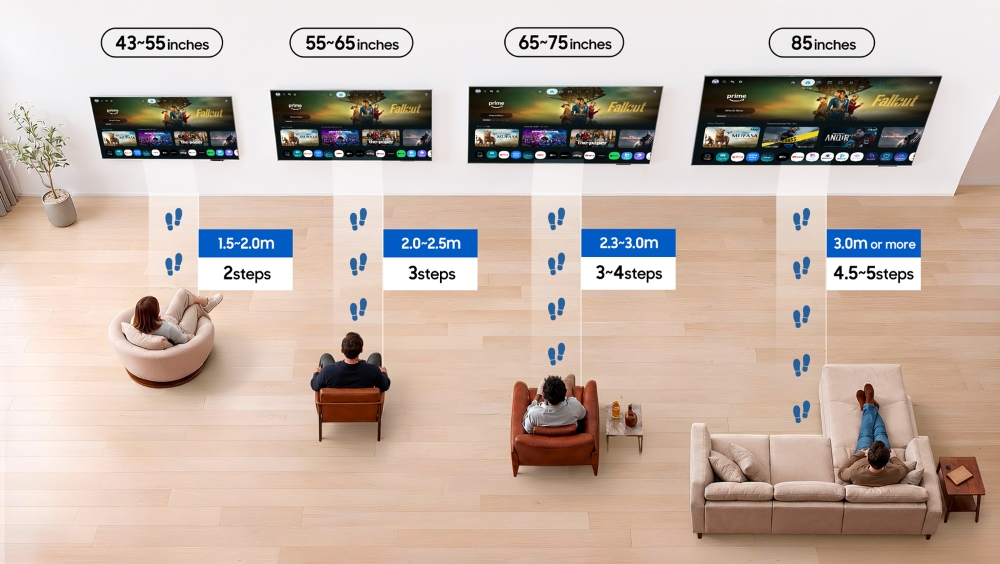
Bedrooms usually have shorter viewing distances and limited floor space. In these cases, 42- to 50-inch TVs are generally suitable. The ideal size depends on the distance from the bed to the screen, as well as the physical dimensions of the TV stand and bezel. Samsung suggests comparing a 65-inch and a 75-inch model from the intended viewing distance if possible to determine personal preference.
Display Technologies and Lighting
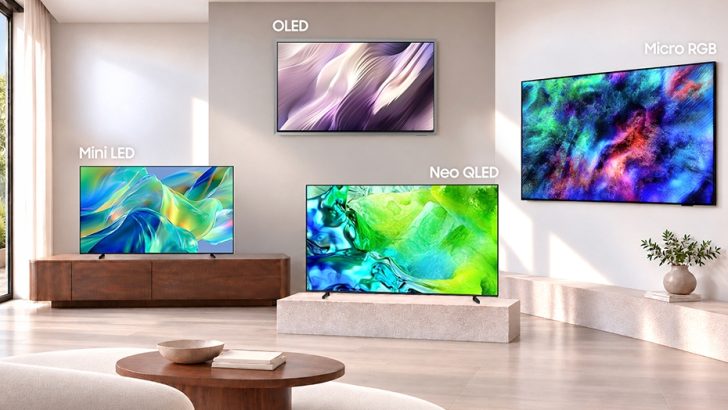
The lighting conditions in a room significantly influence the best display technology. In bright, sunlit living rooms, screen brightness and reflection reduction are critical. Neo QLED TVs provide high brightness levels for clear viewing in these environments. They use Mini LED backlights for precise control, combined with quantum dot film for rich colors.
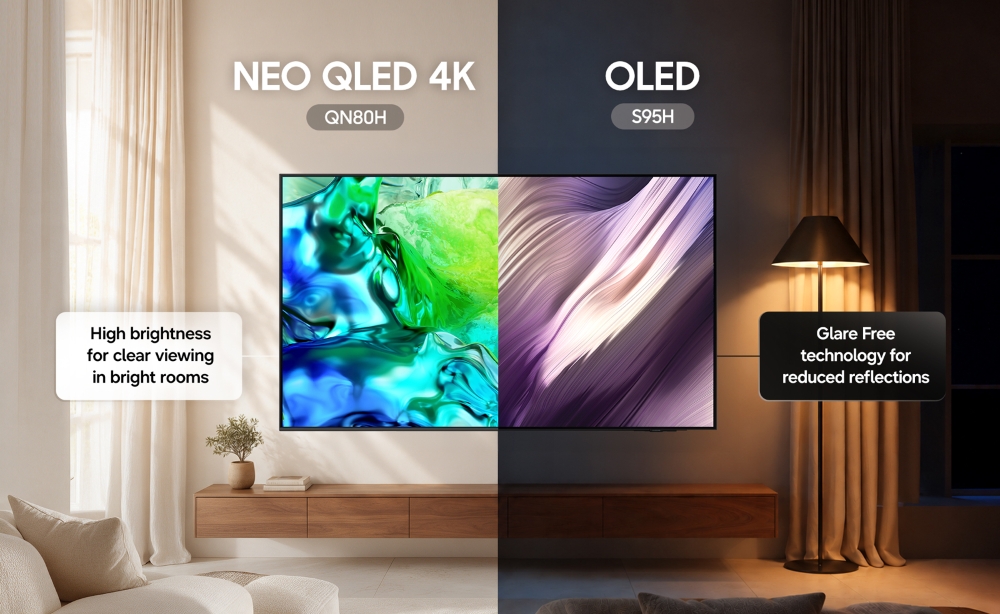
OLED TVs excel in darker settings due to their exceptional contrast and deep blacks. However, recent advancements have reduced the impact of lighting constraints. OLED models with Glare Free technology, such as the 2025 Samsung S95F, feature a low-reflection layer that diffuses external light. This allows them to maintain contrast and color accuracy even in brightly lit rooms.
AI Gamma technology further adapts to the environment by analyzing scene brightness in real time. It automatically adjusts gamma levels based on ambient light, brightening dark scenes in well-lit rooms and enhancing contrast in darker settings. This process helps minimize eye strain while preserving picture clarity.
AI Capabilities and Smart Features
Modern Samsung televisions integrate artificial intelligence beyond simple picture enhancement. These AI capabilities support content discovery, device connectivity, and personalized viewing experiences. AI Upscaling improves lower-resolution content to match 4K displays, resulting in sharper images. The effectiveness of upscaling varies by model and source material.
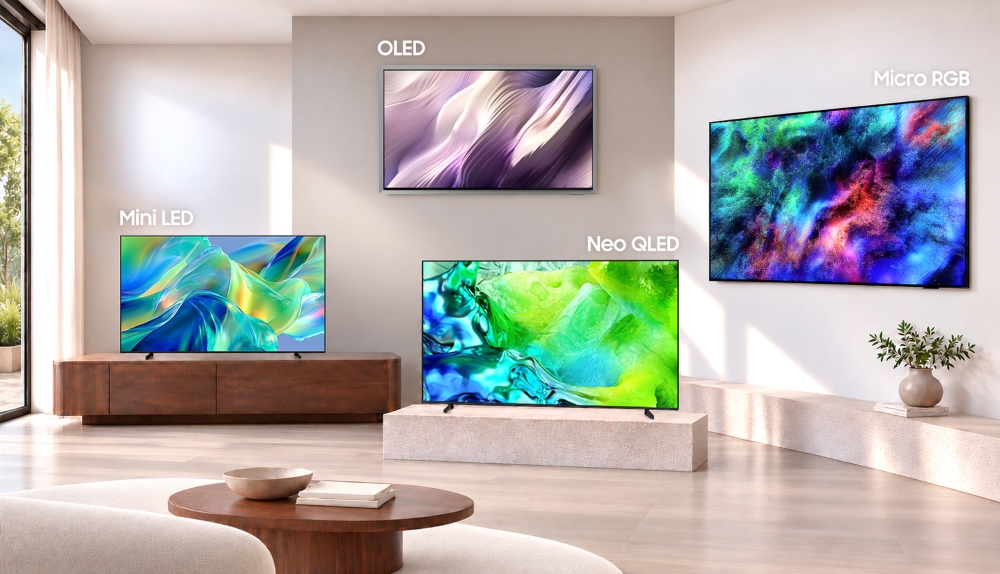
Consumers should look for AI features that align with their specific habits. This includes automatic optimization for sports, movies, and gaming, as well as on-screen information searches. For gaming, both OLED and Neo QLED models offer high refresh rates, low input lag, and dedicated Game Modes. OLEDs provide fast response times, while Neo QLEDs offer strong HDR performance.
Samsung Smart TVs also provide free content without requiring paid subscriptions. Models supporting Samsung TV Plus offer free channels with news, entertainment, dramas, and movies. The Samsung Art Store allows users to display artworks for free, with a subscription available for access to a larger collection of over 5,000 pieces.
Audio quality is addressed through Q-Symphony, which enables compatible Samsung TVs and sound devices to play audio together. This feature delivers optimized surround sound based on the room layout and device placement. For customer support, users can visit the official Customer Support page.
Source: Samsung
