


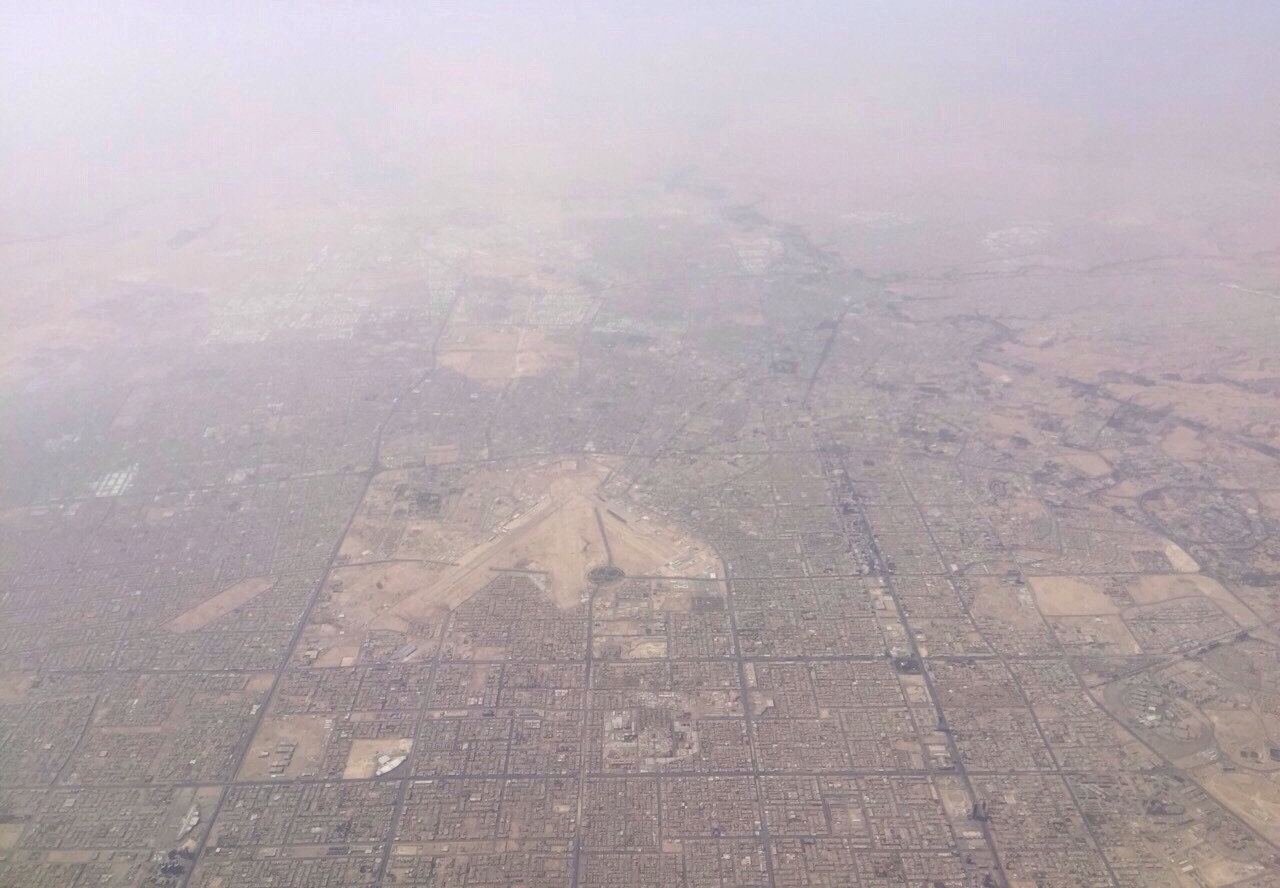
More than a third of all flights from Saudi Arabia were canceled or did not fly on Monday, according to aviation analytics company Cirium. The disruptions mark a slight improvement from Sunday, when more than half of all scheduled flights in the kingdom were grounded. The ongoing attacks by Iran-aligned Houthi rebels have severely impacted the nation’s aviation sector and its planned high-profile events for the fourth quarter.
Aviation data showed that 322 out of 941 scheduled flights from the kingdom were canceled or did not fly on Monday. This represents approximately 34% of the total scheduled capacity. While the situation has improved from the previous day, the volume of cancellations remains high and continues to disrupt international travel to the region.
Riyadh Airport Sees Highest Cancellation Rate
King Khalid International Airport in Riyadh reopened on Sunday after a week-long shutdown. However, the majority of international and regional airlines have continued to suspend flights to the city. Cirium data indicated that Riyadh airport recorded the highest cancellation rate at 66% on Monday. Other major airports also faced significant disruptions, with Abha at 48%, Dammam at 31%, and Jeddah at 15%.
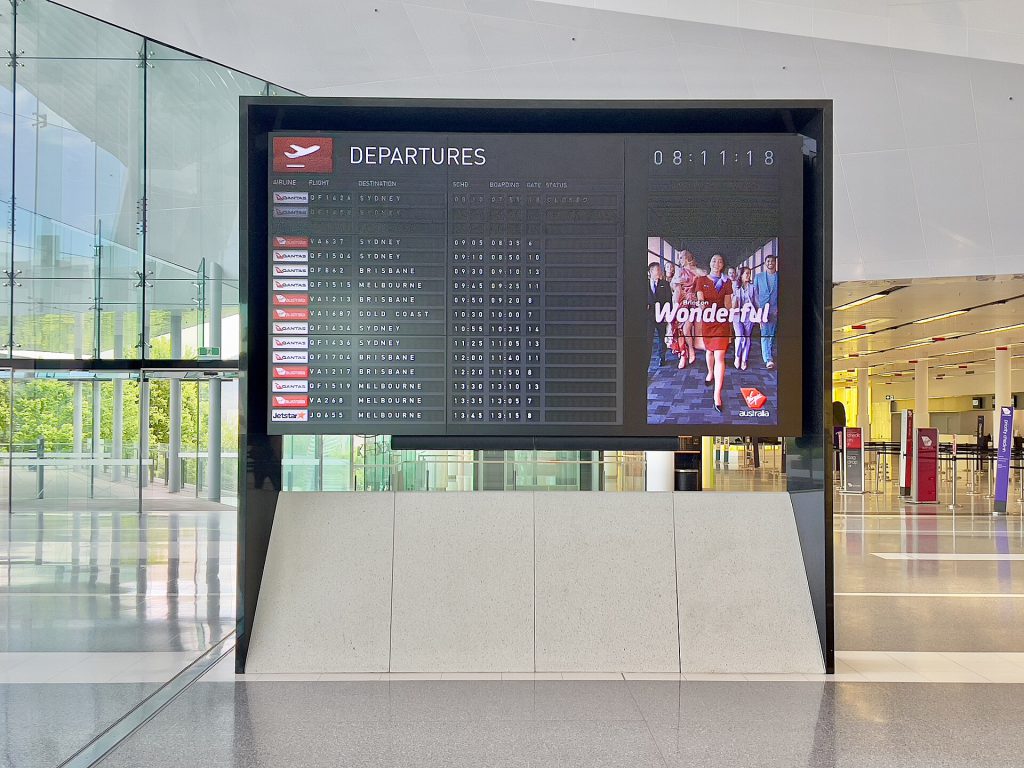
Saudi carriers, including Saudia, Flynas, Riyadh Air, and Flyadeal, have resumed service at the airport. In contrast, several foreign carriers have extended their cancellations. flydubai, Etihad Airways, and Qatar Airways have canceled flights to Riyadh, Dammam, and Abha through October 24. Qatar Airways also reduced its Jeddah service from seven daily flights to four.
The U.S. Embassy in Saudi Arabia issued a security alert warning of potential missile and drone attacks, as well as airport closures. The alert underscores the ongoing security risks that continue to deter international airlines from resuming full operations.
Major Events Postponed Amid Security Concerns
The aviation disruptions have directly impacted the kingdom’s events calendar. The Future Investment Initiative, a major global business conference, has been postponed to next year. The EU-Gulf Cooperation Council summit, originally scheduled for October 24 in Riyadh, has also been postponed with no new date announced. Additionally, the Six Kings Slam tennis tournament has been moved to December.
These postponements highlight the broader economic impact of the security situation. The kingdom had planned for a busy fourth quarter driven by business, sporting, and leisure events. The cancellations and postponements threaten to turn this period into a lost quarter for hotels and event organizers.
Andrew Charlton of Aviation Advocacy noted that if non-Saudi airlines stay away, Saudi and Gulf carriers will likely expand to fill the space. However, he raised questions about whether demand will hold as attacks continue. The longer foreign carriers remain suspended, the more difficult it becomes to restore confidence among international travelers and event organizers.
The situation remains fluid as airlines monitor the security environment. Travelers are advised to check with their carriers for the latest updates on flight status and to review any security advisories issued by their home governments before making travel plans to the region.
Source: Skift
