



SpaceX launched its Starship vehicle for the 15th test flight on Friday evening from Starbase in South Texas. The mission achieved its primary objective of reaching low-Earth orbit and deploying a payload of 26 Starlink V3 satellites. While the ascent and satellite deployment proceeded without issue, the first-stage booster did not return to the launch site as originally planned.
Successful Ascent and Satellite Deployment
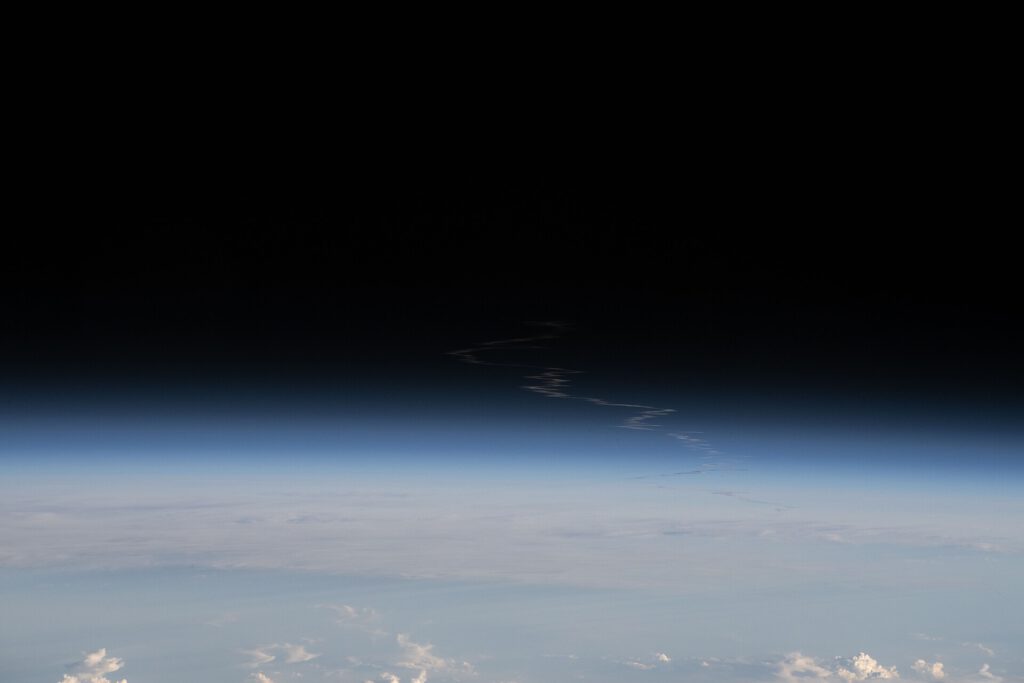
The launch occurred shortly after sunset, with calm atmospheric conditions allowing the rocket’s exhaust plume to remain visible for an extended period. The first stage of the rocket ascended toward space before separating from the upper stage above the Gulf of Mexico. The upper stage then ignited its Raptor engines to achieve a nominal orbit.
About 40 minutes into the flight, the spacecraft opened a narrow door at its base to release the Starlink satellites. These satellites feature solar panels that span 60 meters when fully deployed. According to the company, all 26 units successfully entered orbit and are using their onboard propulsion to raise their altitude. This marks the second time SpaceX has flown Starship into low-Earth orbit, confirming the vehicle’s capability as an operational orbital rocket.
First Stage Diverted into Gulf
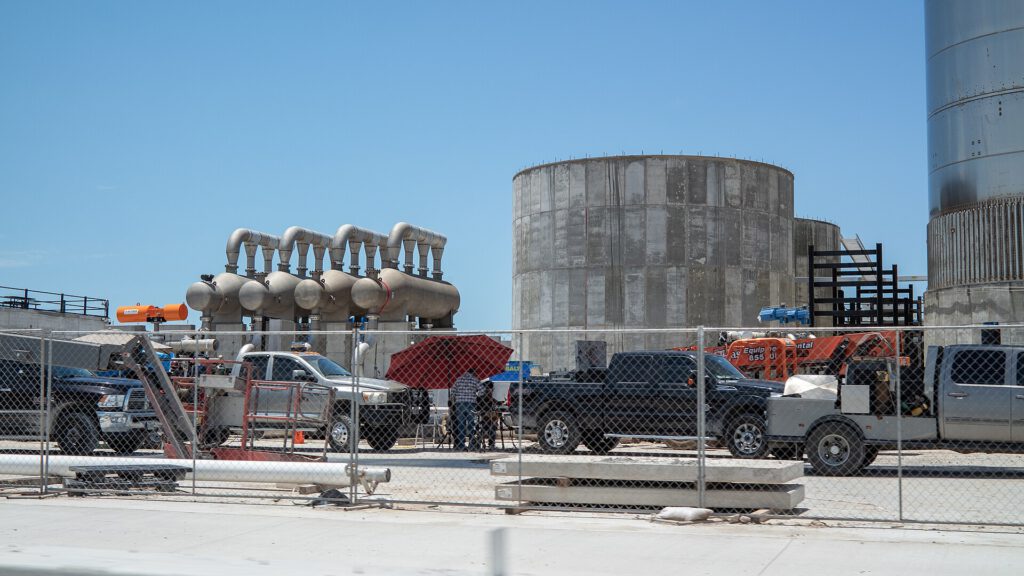
The return of the first-stage booster encountered a problem. Instead of landing at the Starbase facility to be caught by the launch tower, the vehicle was commanded to divert into the Gulf of Mexico. An unspecified issue prevented the standard return procedure. The vehicle impacted the water with significant force, creating a large explosion visible to observers more than 10 miles away.
This outcome means the first part of the mission, which aimed to demonstrate reusability of the latest version 3 booster, was not fully successful. SpaceX has previously landed and reflown Starship boosters, but this specific iteration has not yet completed a full reuse cycle. The company now faces the challenge of making the massive rocket rapidly reusable to increase its flight rate.
Historic Upper Stage Catch Attempt
The focus of the mission now shifts to Saturday, when SpaceX plans to attempt catching the Starship upper stage. This would be the first time the company has ever tried to return and catch the upper stage of the vehicle. The maneuver is critical for the company’s goal of rapid reusability and would provide valuable data on the vehicle’s performance during reentry.
Before attempting the catch, the upper stage must pass a series of health checks to ensure it is structurally sound. The vehicle will pass over parts of Mexico and the United States during its return, making safety a primary concern. SpaceX aims to avoid endangering people on the ground or damaging its launch infrastructure. If the vehicle passes these checks, it is scheduled to land at approximately 3:15 pm local time in Texas. If it fails, the company has contingency plans to de-orbit the vehicle into the ocean.
A key component of this return is the vehicle’s heat shield. SpaceX has been refining its tile design to balance low mass, heat resistance, and durability. For this flight, the company applied lessons from a previous test in September. These improvements include additional retention mechanisms in high-risk areas and a curved tile design intended to reduce heating in the gaps between tiles. Successfully returning the upper stage would demonstrate significant progress in the development of the world’s most powerful launch vehicle.
Source: Ars Technica
