


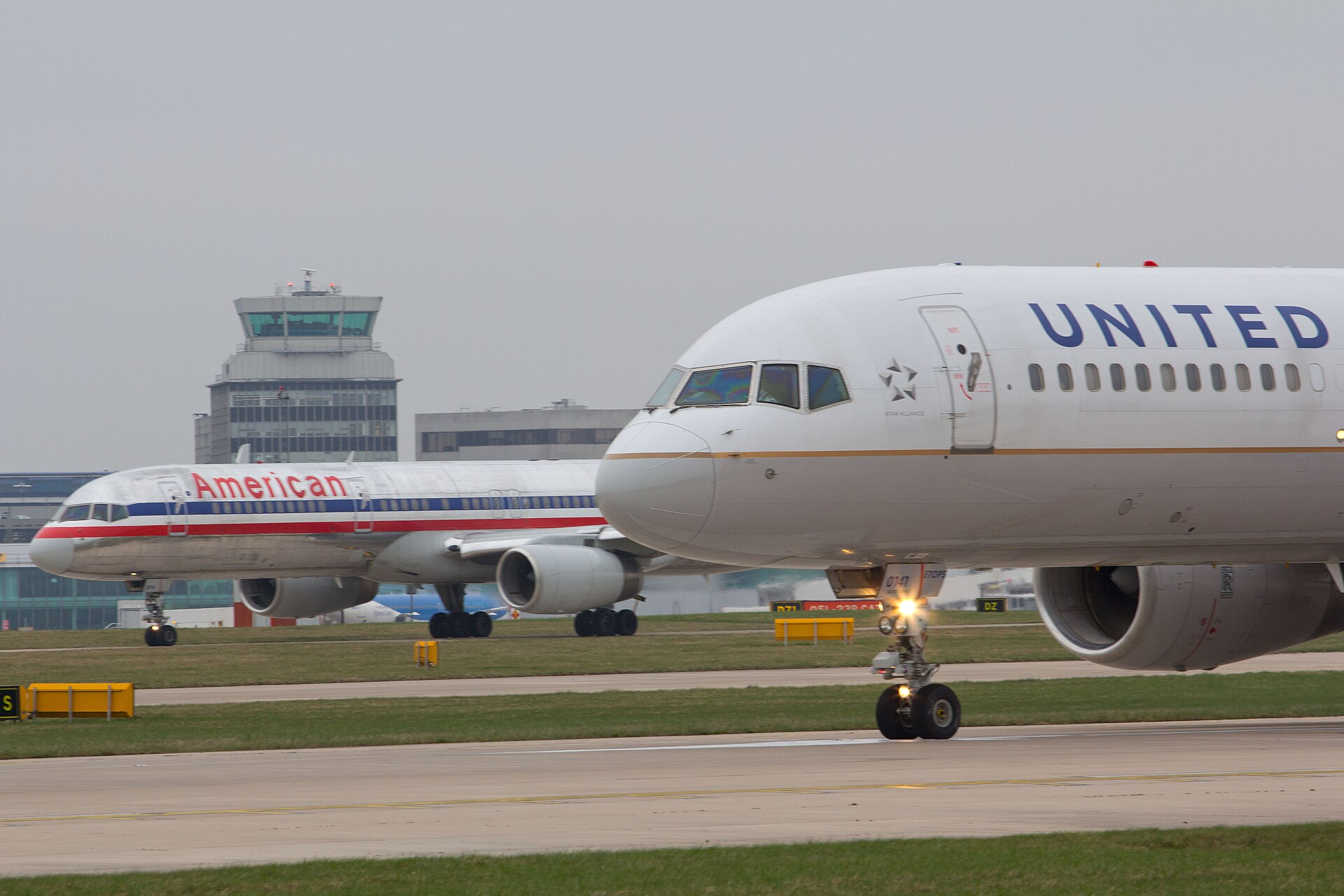
The transatlantic travel corridor is entering a complex transition phase characterized by diverging national behaviors and shifting consumer priorities. According to findings presented at the Skift Transatlantic Summit 2026, the market is no longer defined by uniform growth but by a fragmented landscape where companies must adapt to competing pressures simultaneously.
Diverging U.S. and Canadian Markets
North American demand for European destinations remains robust, yet the underlying dynamics are changing. U.S. trips to Europe are recovering from a record year in 2025, with July arrivals falling only about 1 percent from that peak. This resilience is supported by consumer sentiment; Mastercard reported that 92 percent of U.S. consumers plan to spend the same amount or more on travel compared to the previous year. However, this willingness to spend is tempered by thinner discretionary income, forcing travelers to weigh value for money more carefully.

In sharp contrast, Canadian travel patterns are moving in a different direction. Trips from Canada to the United States have dropped by more than 23 percent over the past two years. Meanwhile, Canadian travelers are increasingly looking toward Europe, altering the traditional flow of traffic across the Atlantic. This divergence creates a challenging environment for airlines and tourism boards that previously relied on synchronized North American demand.
Shoulder Season Growth and Dispersal Challenges
Travelers are actively seeking alternatives to peak summer months and major gateway cities. Data from Tourism Ireland indicates that North American volume to the region is up 5 percent, with spending rising 10 percent. A significant portion of this growth is occurring during shoulder seasons. For instance, September arrivals from the United States to Europe last year outdrew August, signaling a shift in when people choose to travel.
While airlines are expanding routes to secondary cities, infrastructure gaps remain. Aer Lingus executive Reid Moody expects major gateway cities to hold the majority of transatlantic capacity through 2030. Furthermore, travelers arriving in smaller European hubs often face difficulties accessing regional rail and ground transport networks. Certares founder Greg O’Hara noted that despite a $2.3 billion commitment to European and UK high-speed rail, selling train tickets through online travel agents remains nearly impossible, highlighting a disconnect between investment and distribution.
Policy Friction and AI Integration
Operational challenges are also intensifying due to policy changes and technological adoption. The European Commission confirmed that biometric entry and exit queues are a permanent fixture, adding friction to the travel experience. Simultaneously, artificial intelligence is reshaping how trips are planned. Sojern reported that more than half of travelers now use AI tools during the discovery phase, while about a quarter of destinations have published specific AI strategies.
Consumer caution is evident in booking preferences. Alice Mansergh of Tourism Ireland reported that more than half of surveyed consumers want flexible or refundable bookings, and a third cited uncertainty about current conditions as a concern. As the market stabilizes, travel companies must navigate these structural shifts to capture the next wave of growth in a durable but increasingly selective corridor.
Source: Skift
