


Artificial intelligence is reshaping the British labor market at a pace that significantly outstrips other major economies. According to Al Jazeera, the rate of AI-linked job losses in the United Kingdom is currently twice that of the United States and Germany. This acceleration has intensified scrutiny on how British companies are integrating automation into their daily operations.
Barclays Plans Major Workforce Reduction
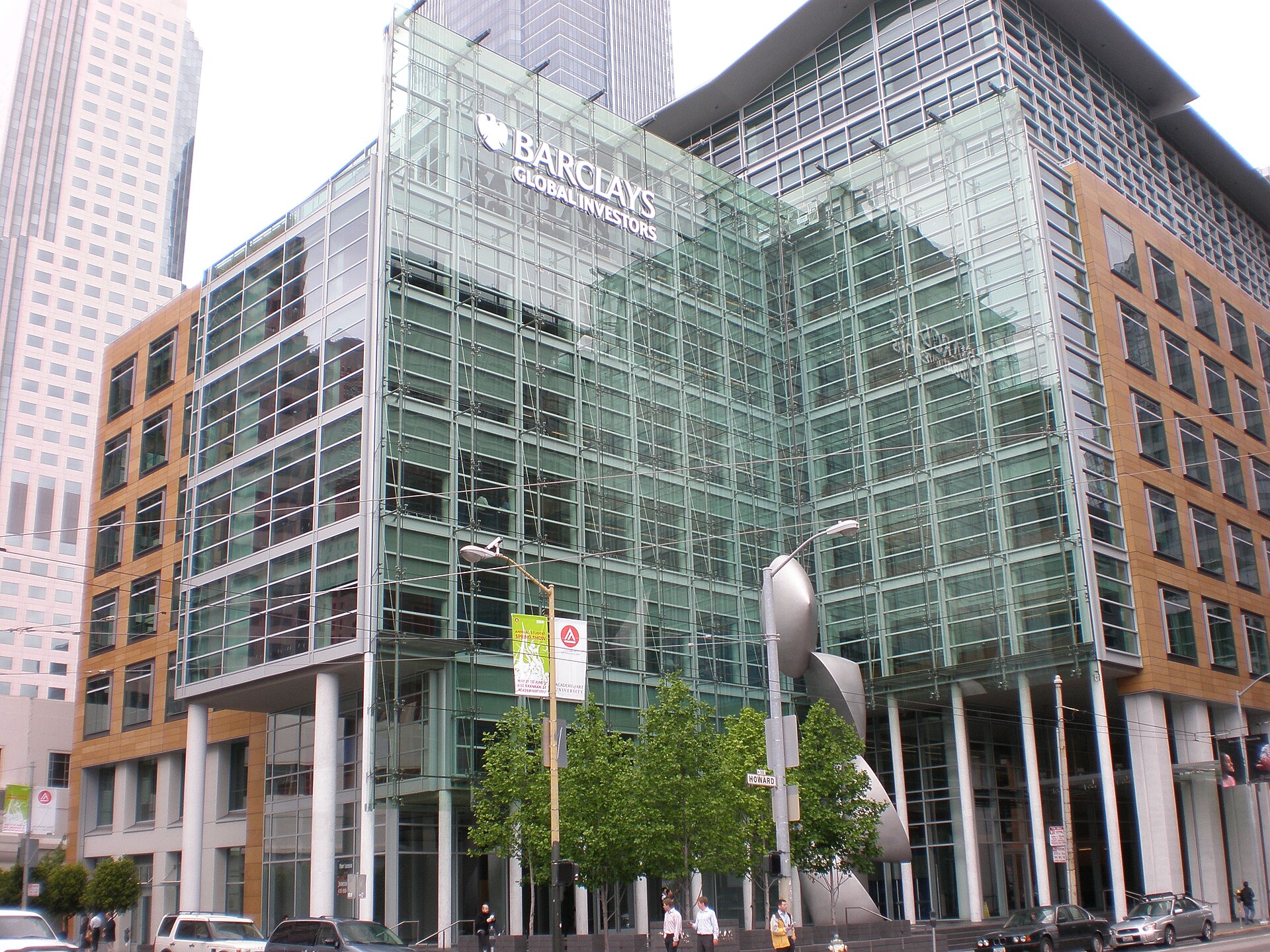
Barclays, one of the UK’s largest banking institutions, has announced a plan to eliminate 5,000 jobs by the end of 2026. The bank intends to use artificial intelligence to streamline operations and reduce overall costs. This move represents a significant shift in how the financial sector views its human capital in the age of automation.

The bank’s chief executive described the integration of AI as the “icing on the cake” of their broader efficiency strategy. This phrasing suggests that while AI is a key component, it is part of a larger restructuring effort. However, the announcement has drawn sharp criticism from labor groups who view the move as a direct threat to employment stability.

Union Pushback and Worker Concerns
Unions have accused Barclays of using artificial intelligence as a pretext to shrink its workforce. They argue that the technology is being deployed primarily to reduce headcount rather than to enhance service quality or employee productivity. This tension highlights a growing divide between corporate leadership and labor representatives regarding the true purpose of automation.
As more companies embrace AI to boost productivity, questions are mounting about the long-term impact on workers. The rapid adoption of these technologies in the UK has raised concerns about the future of employment in sectors that traditionally relied on large administrative and operational teams. The situation in the UK serves as a case study for other nations watching how automation affects their own labor markets.

Source: Al Jazeera
