


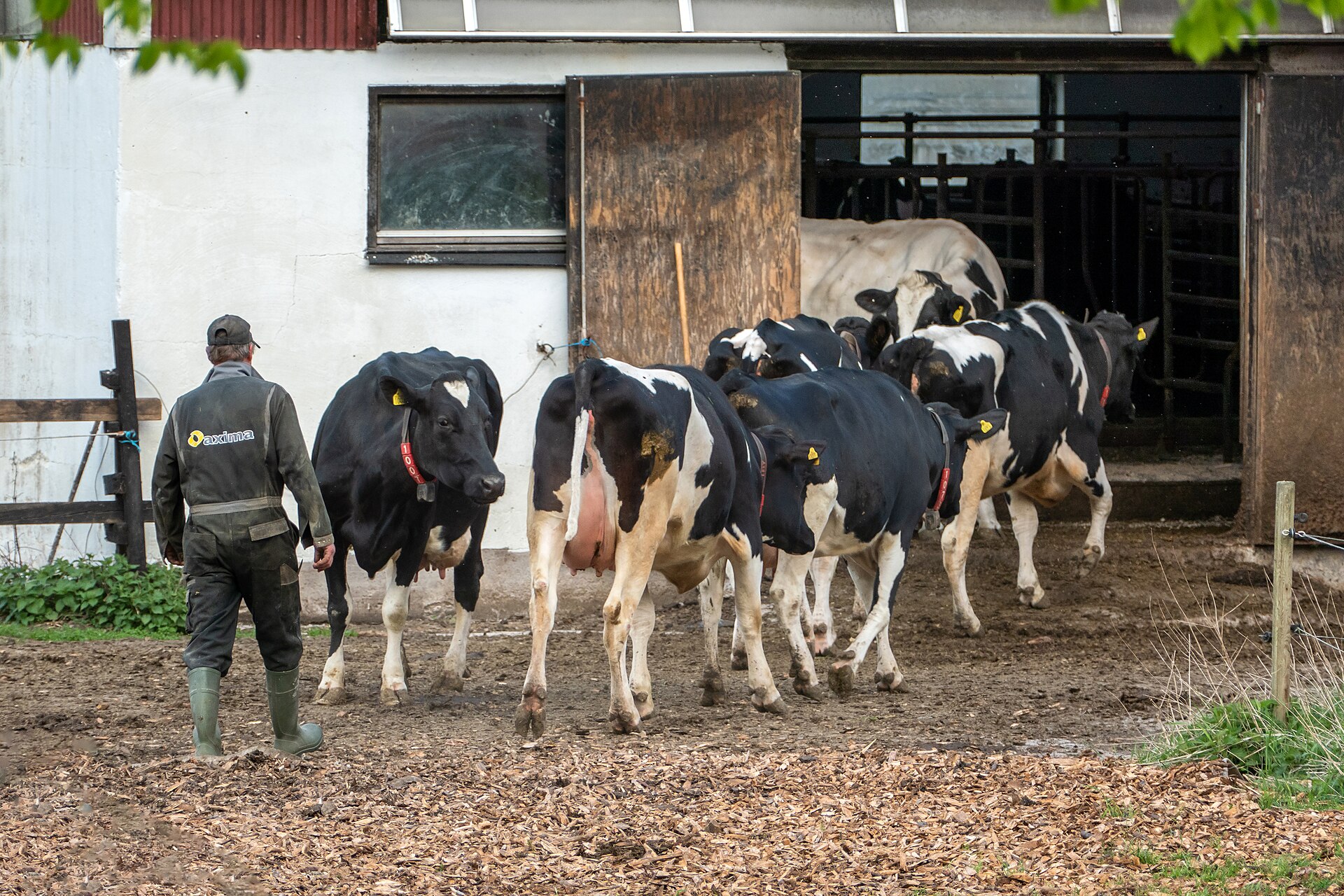
The American Academy of Pediatrics has called for a ban on the sale of unpasteurized milk in the United States, citing a rise in disease outbreaks linked to the product. The recommendation comes as raw milk consumption reaches record levels, driven by social media influencers and shifting public attitudes toward government health regulations.
Public health experts warn that unpasteurized milk can harbor dangerous pathogens. While producers argue that heating milk destroys its flavor and nutritional value, health officials maintain that pasteurization is essential for preventing illness. The Food and Drug Administration states there is no scientific evidence supporting claims that raw milk cures allergies or boosts immunity.
Surge in Sales and Outbreaks
Raw milk sales increased by 17.6% in 2024, according to market research firm Circana. This growth follows a decade of states loosening regulations on the product. In 1987, the FDA banned the interstate sale of raw milk, but individual states retained the authority to permit local sales.
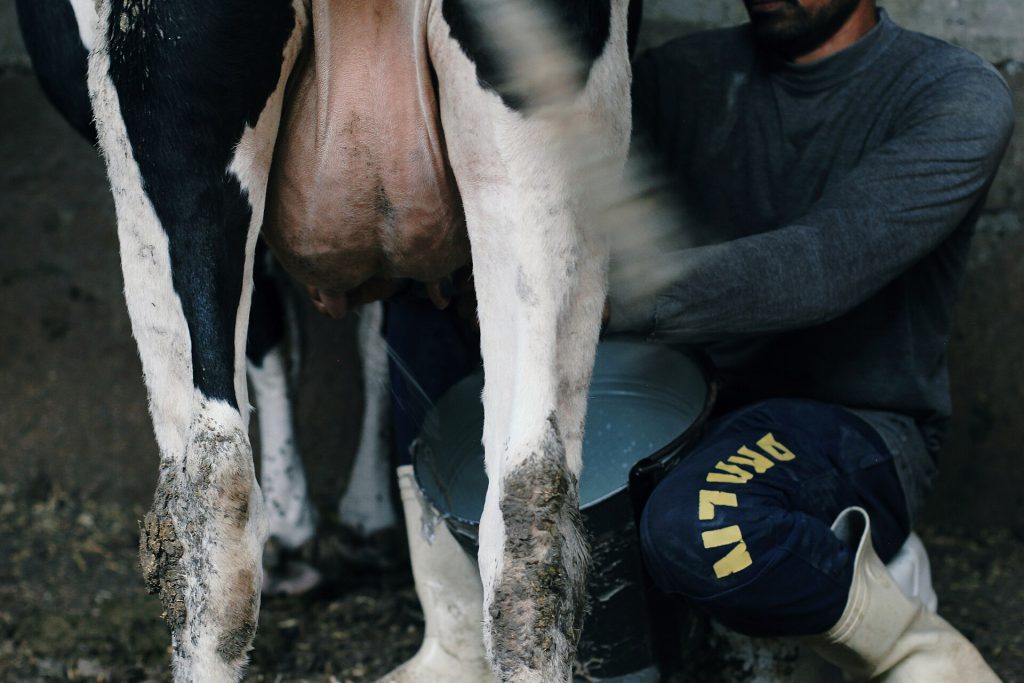
Recent outbreaks have heightened concerns among medical professionals. This summer, more than 100 people fell ill after consuming raw milk, resulting in 11 hospitalizations. An E. coli outbreak earlier this year in California, Florida, and Texas was linked to cheese from Raw Farm, the country’s largest raw milk distributor. Most of those affected were children under the age of three.
Dr. Brian Dawes, an infectious disease specialist at Stanford University, noted that young children are particularly vulnerable. He explained that their weaker immune systems and lower physiological reserves make them more likely to suffer severe complications from infections.
Political and Cultural Shifts
The popularity of raw milk has grown alongside skepticism of traditional health authorities. Robert F. Kennedy Jr., the US health secretary, previously promoted the product and criticized the FDA. However, his administration has recently shifted its stance to promote whole milk instead.
Ben Beichler, who runs Creambrook Farm in Virginia, said the pandemic changed consumer behavior. He reported that sales have grown by 30% to 50% annually since 2020. Beichler attributes this to a broader societal skepticism and a desire for personal health control. His farm uses a herd share model to sell milk legally in Virginia.
Beichler and other producers often cite a 2011 study suggesting farm milk may protect against asthma. However, the FDA and other experts argue these findings are misinterpreted. The original study authors noted that they could not confirm the raw status of all milk samples and stated that raw milk should not be recommended as a preventive measure.
Dr. Petra Levin, a biology professor at Washington University, emphasized the risks involved. She stated that while raw milk does not guarantee illness, the likelihood of consuming a pathogen is relatively high. The medical community continues to urge consumers to rely on pasteurized products to ensure safety.
Source: The Guardian
